Taj Mahal
Overview
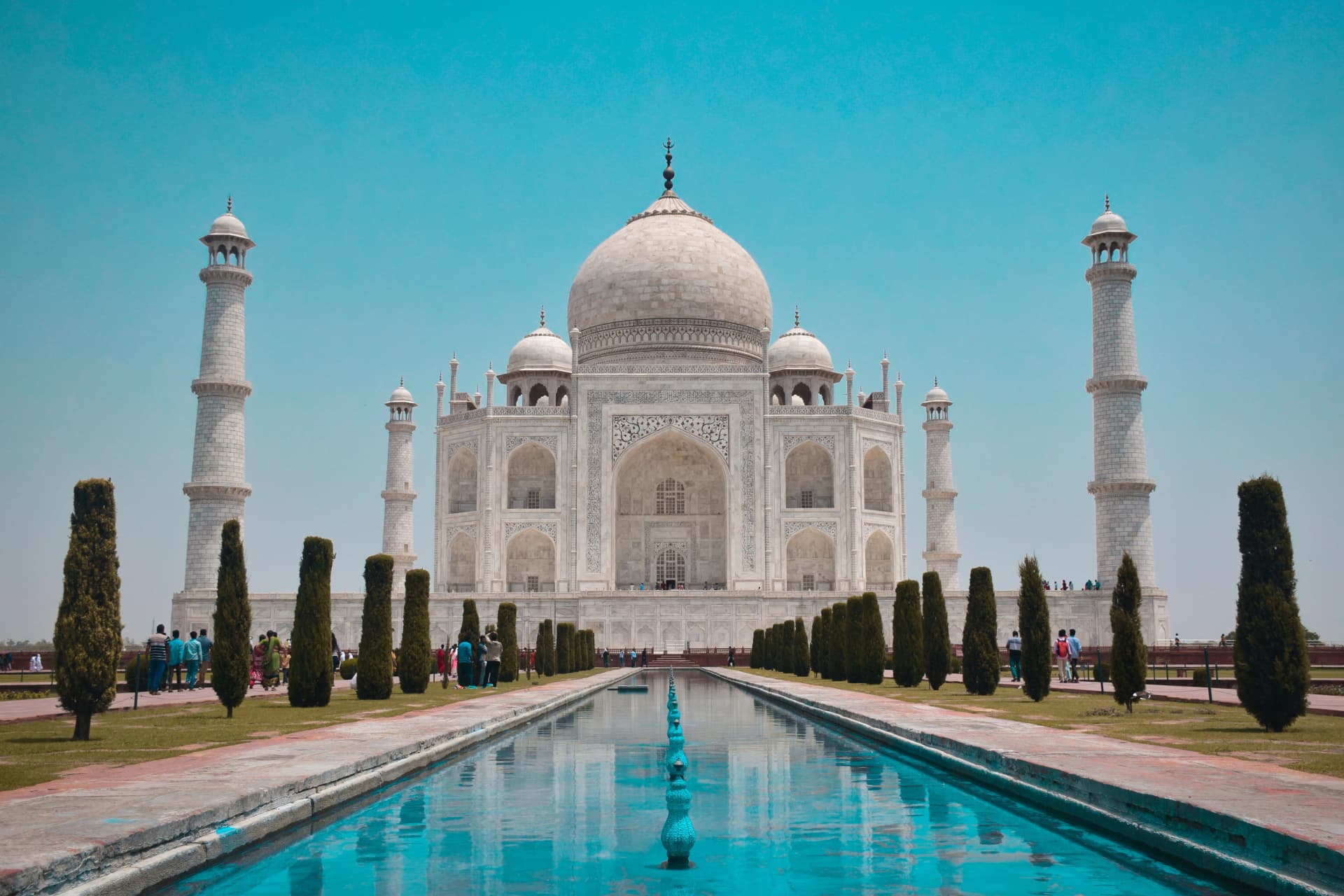
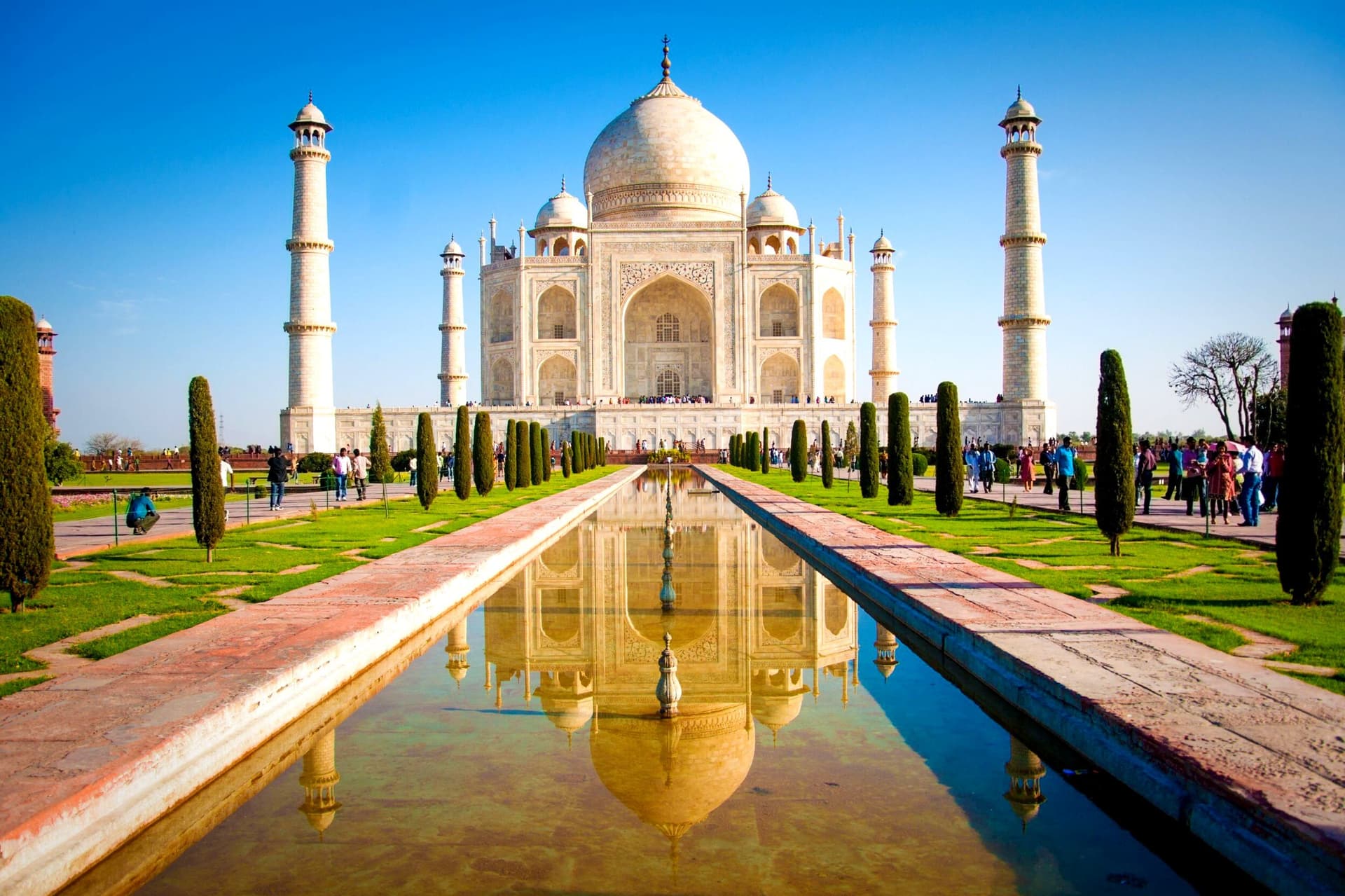
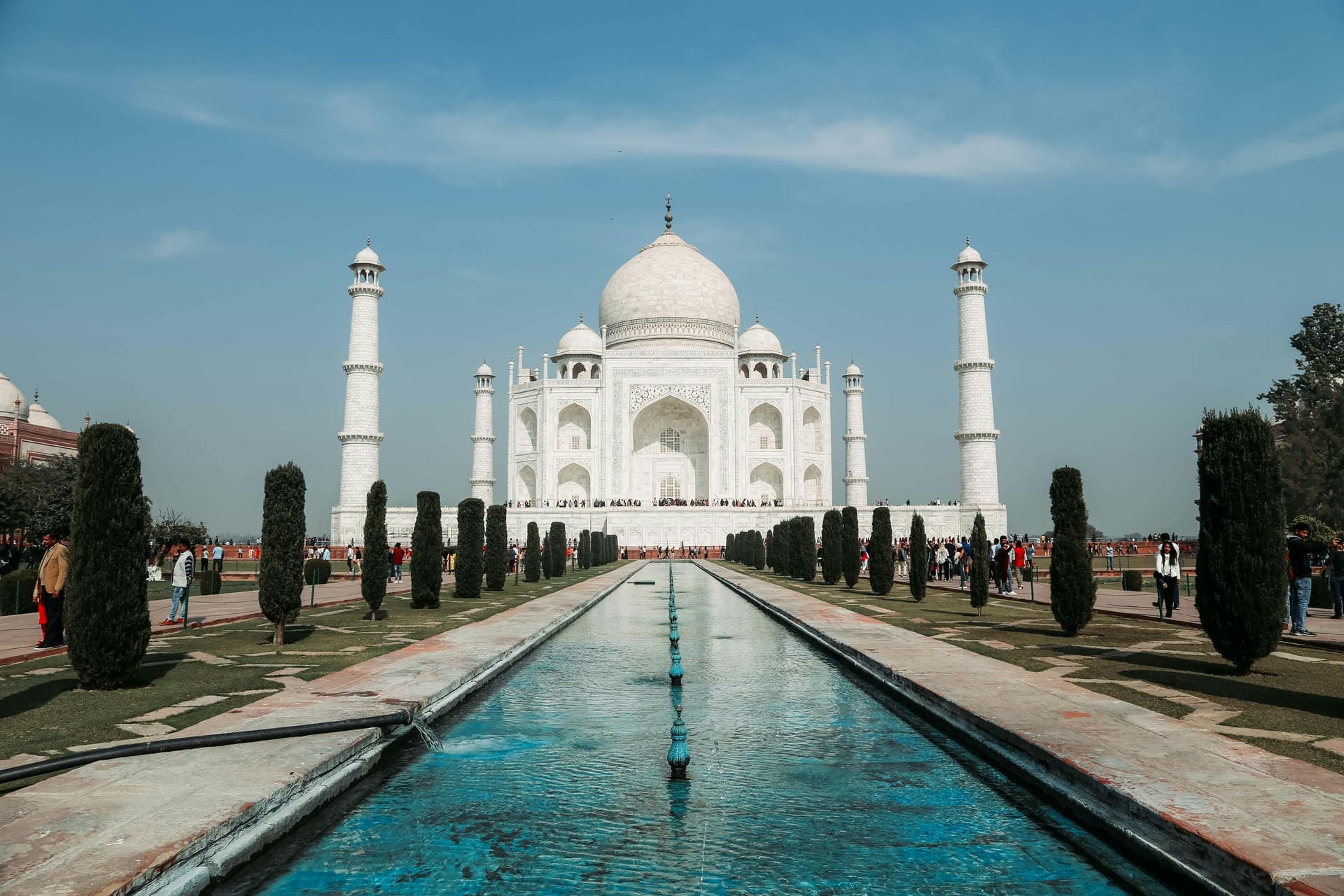
The Taj Mahal, located in Agra, Uttar Pradesh, India, is one of the most renowned and iconic monuments in the world. Completed in 1653, this white marble mausoleum is celebrated for its exquisite architectural beauty and intricate craftsmanship. It stands as a symbol of eternal love, commissioned by Mughal Emperor Shah Jahan in memory of his beloved wife, Mumtaz Mahal.
Label: Must visit
How to reach: Bike, bus, taxi, auto
Timings: 6:00 AM to 7:00 PM
Time Required: 2 hours
Entry Fee: INR 50 for Indians and INR 1000 for Foreigners
Historical Significance:
The Taj Mahal was commissioned by Shah Jahan, the fifth Mughal Emperor, in 1631 as a mausoleum for his wife Mumtaz Mahal, who died during childbirth. The construction took approximately 22 years to complete, involving thousands of artisans, craftsmen, and laborers from across the Mughal Empire and beyond. The monument is not only a testament to Shah Jahan’s love but also a prime example of Mughal architecture at its zenith. It has been recognized as a UNESCO World Heritage Site since 1983 and is considered a masterpiece of Islamic art in India.
Architectural Details:
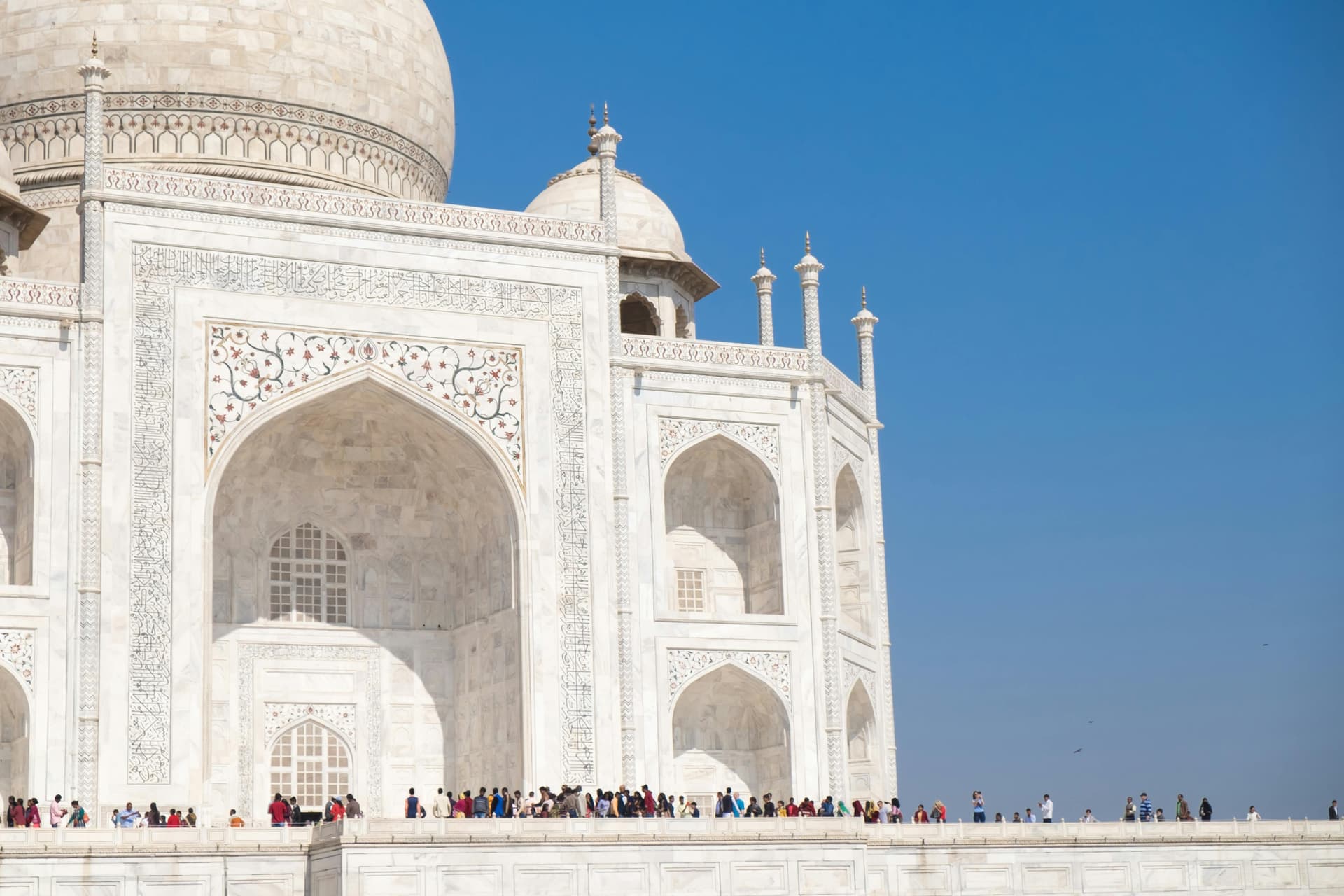
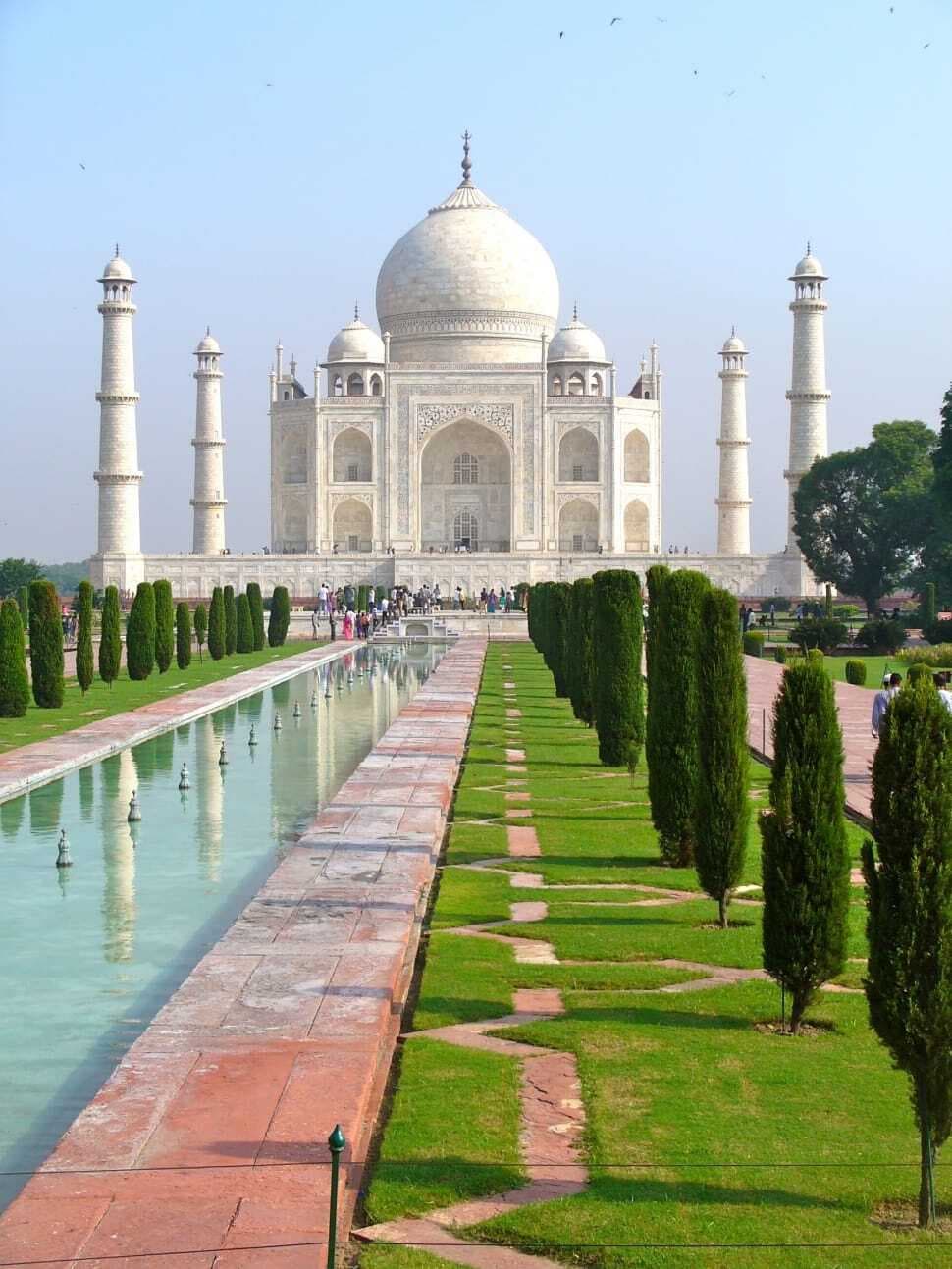
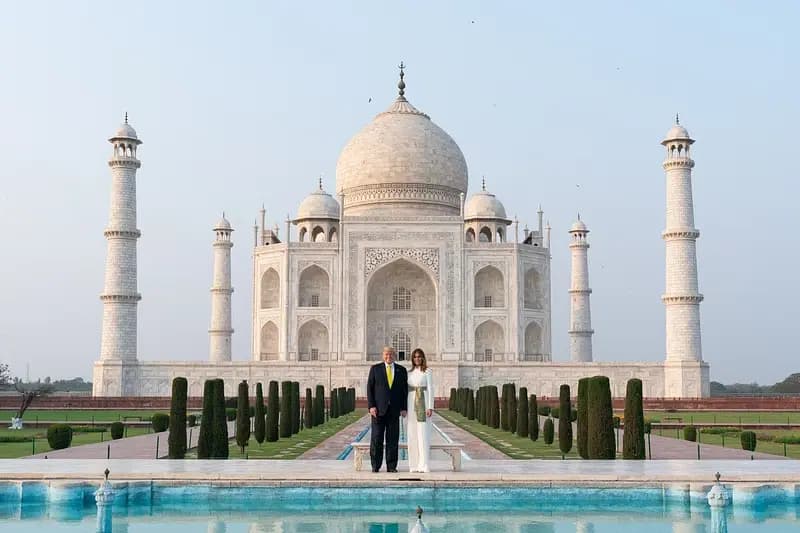
Main Mausoleum: The Taj Mahal's main structure is a white marble mausoleum with a large dome that rises to about 35 meters (115 feet). The dome is surrounded by four minarets, each standing at about 40 meters (130 feet) tall. The marble used in the construction is inlaid with semi-precious stones in intricate floral and geometric patterns.
Reflecting Pool: In front of the mausoleum is a long reflecting pool that mirrors the Taj Mahal, enhancing its symmetry and grandeur.
Gardens: The Taj Mahal is set within a vast Mughal garden, known as the Charbagh or four-fold garden layout, which represents paradise on earth. The garden is divided into four parts by water channels and pathways, symbolizing the four rivers of paradise.
Mosque and Guest House: Flanking the Taj Mahal are two structures made of red sandstone—a mosque and a guest house (or jawab). These buildings balance the architectural symmetry and serve functional purposes.
Key Features and Attractions:
Marble Inlay Work: The Taj Mahal is famous for its exquisite marble inlay work, including delicate patterns and designs created using semi-precious stones like lapis lazuli, agate, and turquoise. The craftsmanship showcases the skill and artistry of Mughal artisans.
Symmetrical Layout: The entire complex is designed with precise symmetry, including the mausoleum, gardens, reflecting pool, and surrounding buildings. This symmetry enhances the visual impact of the monument.
Calligraphy: The monument features beautiful calligraphy from the Quran inscribed on the marble surfaces. The inscriptions were crafted by calligraphers who used naturalistic designs and verses to add to the spiritual ambiance of the site.
Cultural Heritage:
The Taj Mahal embodies the essence of Mughal architecture and art. It is a symbol of the cultural and artistic achievements of the Mughal Empire and reflects the fusion of Persian, Indian, and Islamic architectural styles. The monument has inspired countless artists, poets, and architects throughout history and remains a significant part of India’s cultural and historical heritage.
Nearby Attractions:
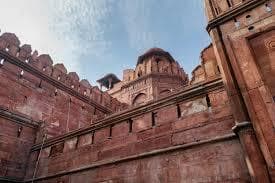
Agra Fort: A UNESCO World Heritage Site located a short distance from the Taj Mahal, Agra Fort is a massive red sandstone fortification that served as a Mughal palace and military stronghold.
Itimad-ud-Daulah's Tomb: Also known as the "Baby Taj," this mausoleum is an earlier example of Mughal architecture and features similar marble inlay work and design elements.
Mehtab Bagh: A garden complex across the Yamuna River offering a scenic view of the Taj Mahal, particularly at sunset.
Festivals and Events:
Taj Mahotsav: An annual festival held in Agra, showcasing the rich cultural heritage of the region with traditional music, dance, and craft exhibitions.
Local Festivals: Major Indian festivals like Diwali and Holi bring vibrant celebrations to Agra, often enhancing the overall atmosphere of the region.

Leave the planning to a local expert
Accommodation and Stays:
Luxury Hotels: High-end hotels such as the Oberoi Amarvilas and ITC Mughal offer luxurious accommodations with views of the Taj Mahal.
Mid-range Hotels: Various hotels provide comfortable stays with good access to the monument, offering moderate-priced options.
Budget Lodging: Guesthouses and budget hotels are available in Agra, providing economical accommodations for travelers.
Sustainability and Conservation:
Efforts are continuously made to preserve and maintain the Taj Mahal. These include measures to control air pollution, prevent marble degradation, and manage the impact of tourism. Regular restoration work helps to ensure the monument’s longevity and aesthetic integrity.
Tips for Visitors:
Best Time to Visit: Early mornings and late afternoons are ideal for visiting to avoid crowds and experience the monument in favorable lighting conditions.
Dress Code: Visitors are required to dress modestly and remove their shoes before entering the main mausoleum.
Photography: While photography is allowed in certain areas, it is restricted inside the mausoleum. Visitors should follow guidelines to preserve the monument.
Conclusion:
The Taj Mahal is a masterpiece of Mughal architecture and a symbol of timeless beauty and love. Its intricate design, historical significance, and cultural heritage make it a must-visit destination for anyone interested in art, history, and architecture. The monument continues to captivate visitors with its grandeur and remains an enduring symbol of India's rich artistic and cultural legacy.