Mehtab Bagh


.jpg&w=1920&q=75)
Overview
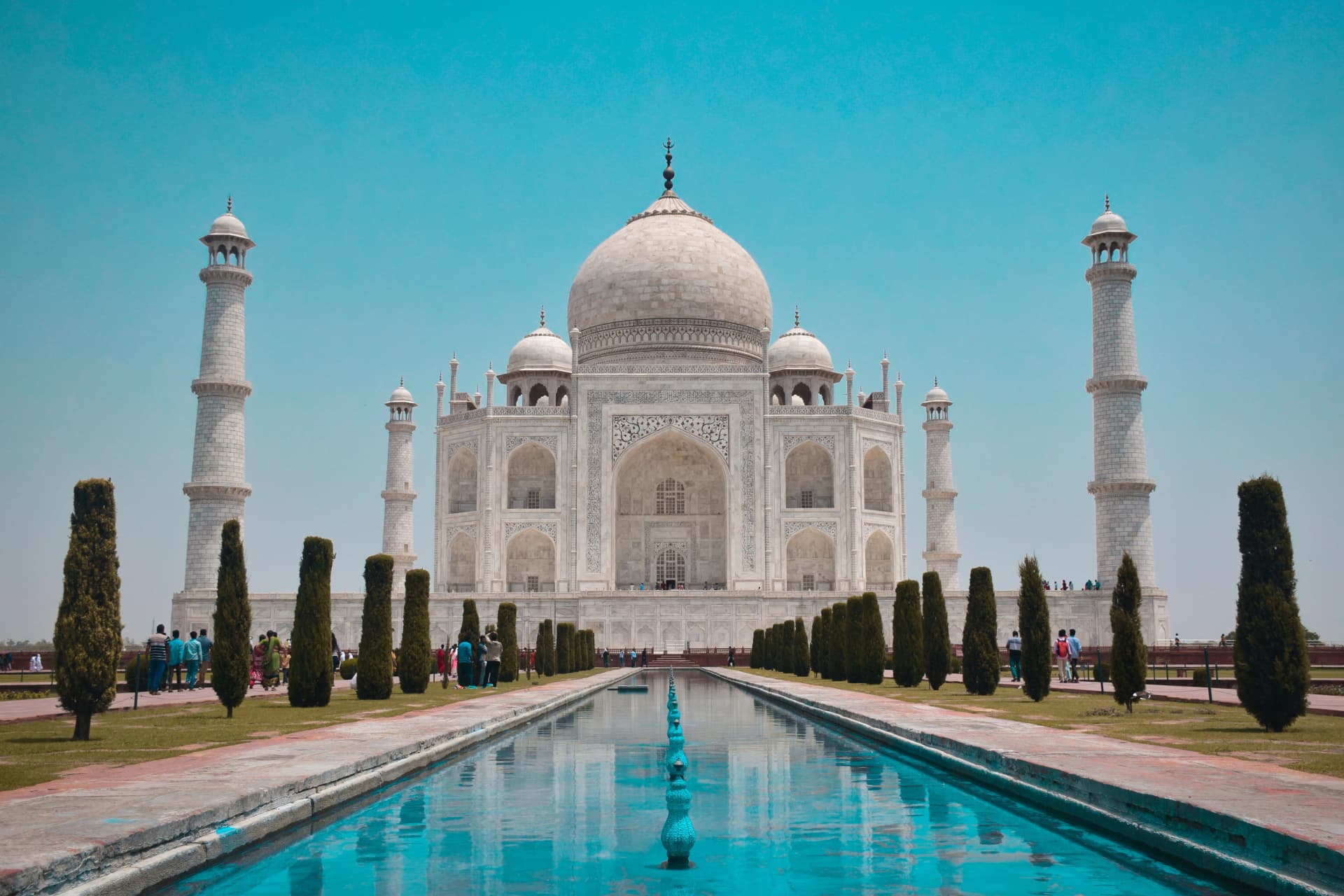
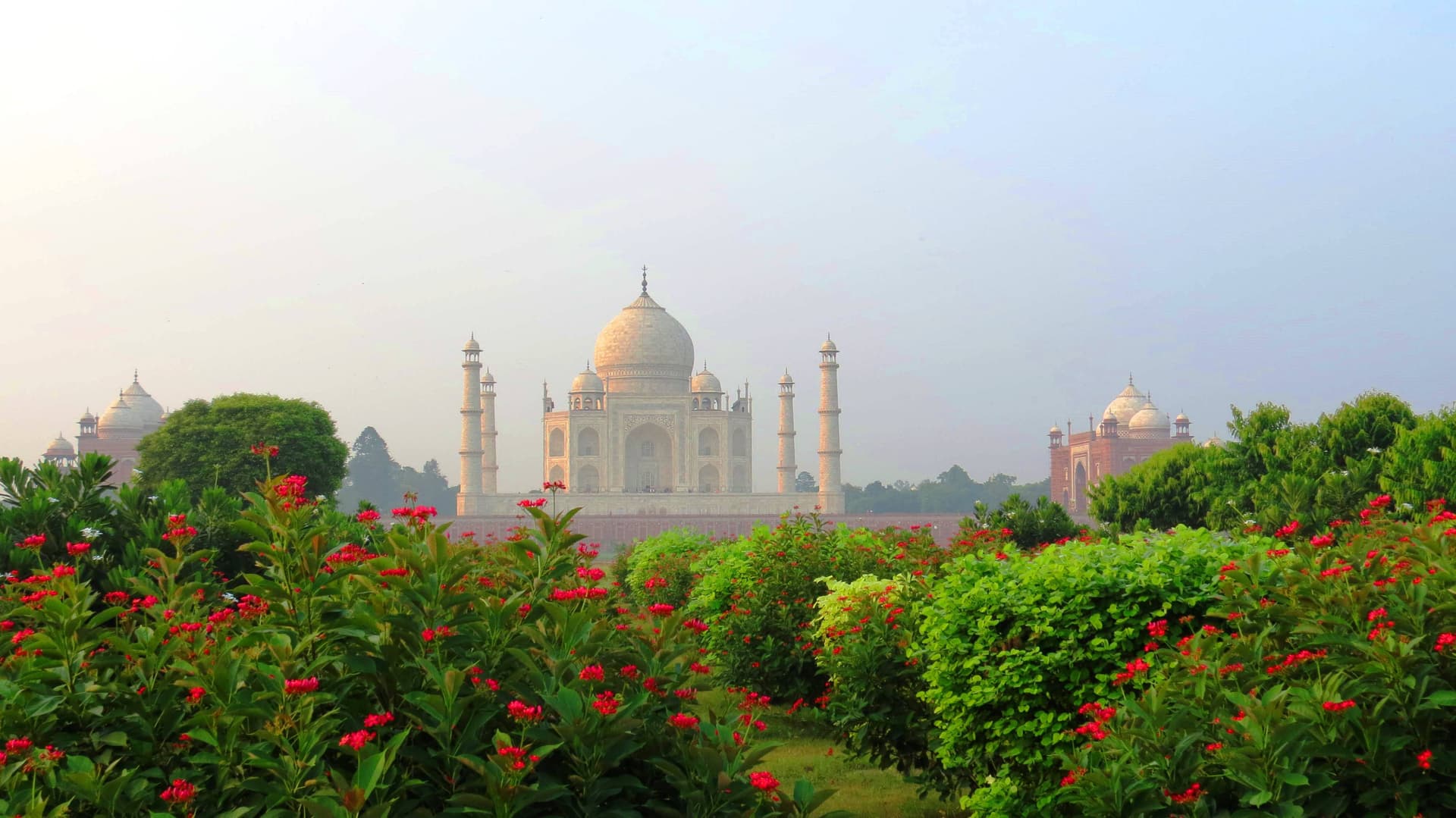
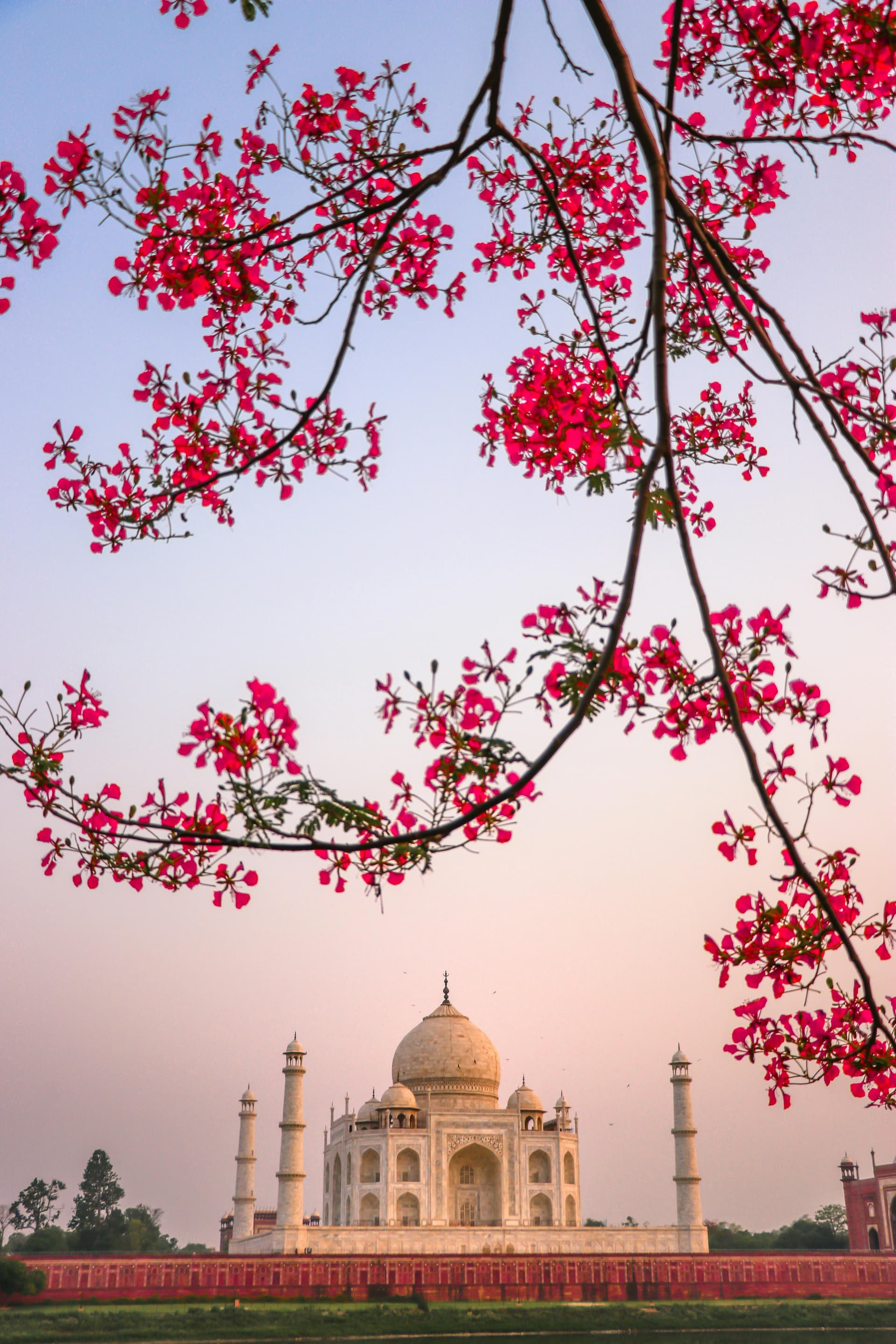
Mehtab Bagh, also known as the Moonlight Garden, is a historic garden complex located across the Yamuna River from the Taj Mahal in Agra, Uttar Pradesh, India. Established during the Mughal era, this well-maintained garden offers an excellent vantage point to view the Taj Mahal, especially during sunset.
Label: family friendly
How to reach: Bike, bus, taxi, auto
Timings: 6:00 AM to 8:00 PM
Time Required: 2 hours
Entry Fee: INR 15 for Indians and INR 200 for Foreigners
Historical Significance:
Mehtab Bagh was originally laid out by Mughal Emperor Babur in the early 16th century, making it one of the oldest Mughal gardens. The garden was intended as a moonlit retreat for the emperor, providing a serene environment to admire the beauty of the Taj Mahal across the river. The garden's strategic location and design reflect the Mughal emphasis on creating harmonious landscapes that complement architectural masterpieces.
Architectural Details:
Garden Layout: The garden is designed in the traditional Mughal Charbagh (four-fold) layout, which divides the space into four quadrants by waterways and pathways. This layout represents the Islamic concept of paradise and incorporates geometric precision and symmetry.
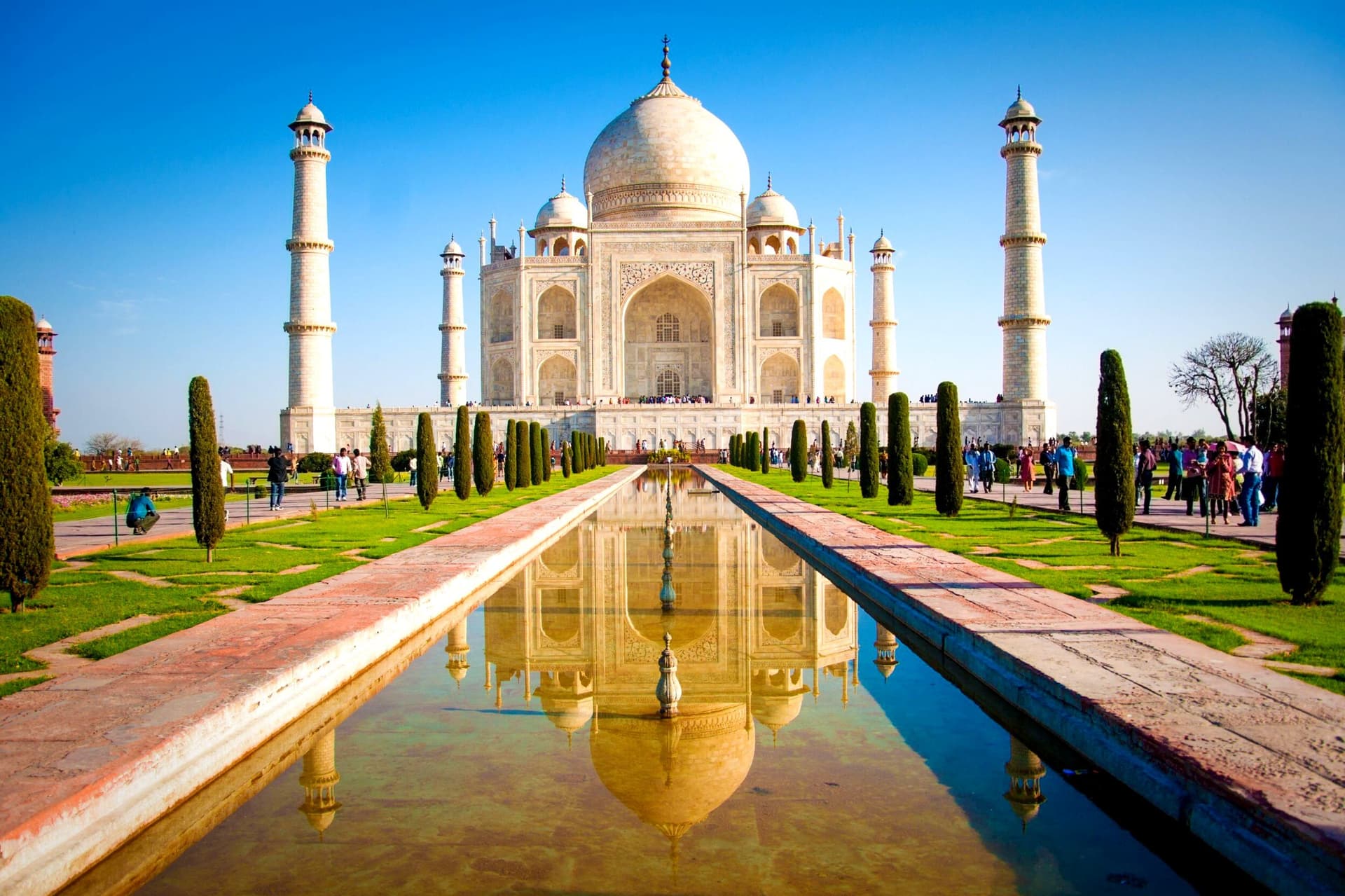
Water Channels: The garden features a central water channel that mirrors the Taj Mahal’s reflection, enhancing the visual impact of the view. The channels are flanked by pathways and garden beds.
Pavilions and Structures: While the original pavilions and structures have not been preserved in their entirety, remnants of Mughal-era architectural features can still be observed, including pathways, platforms, and terraced areas.
Key Features and Attractions:
View of the Taj Mahal: The primary attraction of Mehtab Bagh is its unobstructed view of the Taj Mahal. The garden offers a picturesque backdrop, especially during sunset, making it a popular spot for photographers and visitors seeking a unique perspective of the monument.
Peaceful Environment: The garden provides a tranquil escape from the bustling city of Agra. Its lush greenery and well-maintained lawns create a relaxing environment for visitors to stroll and enjoy the views.
Floral and Faunal Diversity: The garden is home to a variety of local flora and fauna, adding to its aesthetic appeal. The seasonal blooms and greenery enhance the overall experience of the garden.
Cultural Heritage:
Mehtab Bagh reflects the Mughal fascination with creating gardens that harmonize with architectural wonders. The garden's design and layout illustrate the Mughal emphasis on integrating nature with art and architecture. It serves as a testament to the Mughal legacy of creating beautiful landscapes that complement their monumental creations.
Nearby Attractions:
Taj Mahal: The iconic mausoleum located directly across the river, offering its own rich history and architectural grandeur.
Agra Fort: A massive red sandstone fortification with significant historical and architectural value, located a short distance from Mehtab Bagh.
Itimad-ud-Daulah's Tomb: An earlier Mughal tomb with intricate marble work, providing insight into the evolution of Mughal architecture.

Leave the planning to a local expert
Festivals and Events:
Agra Mahotsav: An annual cultural festival celebrating Agra’s heritage with traditional music, dance, and craft exhibitions.
Local Festivals: Major Indian festivals such as Diwali and Holi bring vibrant celebrations to Agra, enhancing the cultural atmosphere around Mehtab Bagh.
Tips for Visitors:
Best Time to Visit: Late afternoons and early evenings are ideal for visiting, especially for capturing sunset views of the Taj Mahal.
Photography: The garden offers excellent opportunities for photography, so bring a camera to capture the views of the Taj Mahal and the garden’s natural beauty.
Dress Code: Comfortable walking shoes and modest attire are recommended for exploring the garden.
Conclusion:
Mehtab Bagh is a significant historical garden that offers a unique perspective of the Taj Mahal and provides a serene escape from the city. Its well-preserved Mughal design, peaceful environment, and scenic views make it a worthwhile destination for those interested in Mughal architecture, gardens, and photography. The garden’s harmonious integration with its surroundings highlights the Mughal legacy of creating landscapes that complement their monumental creations.