Rambagh Gardens

Overview
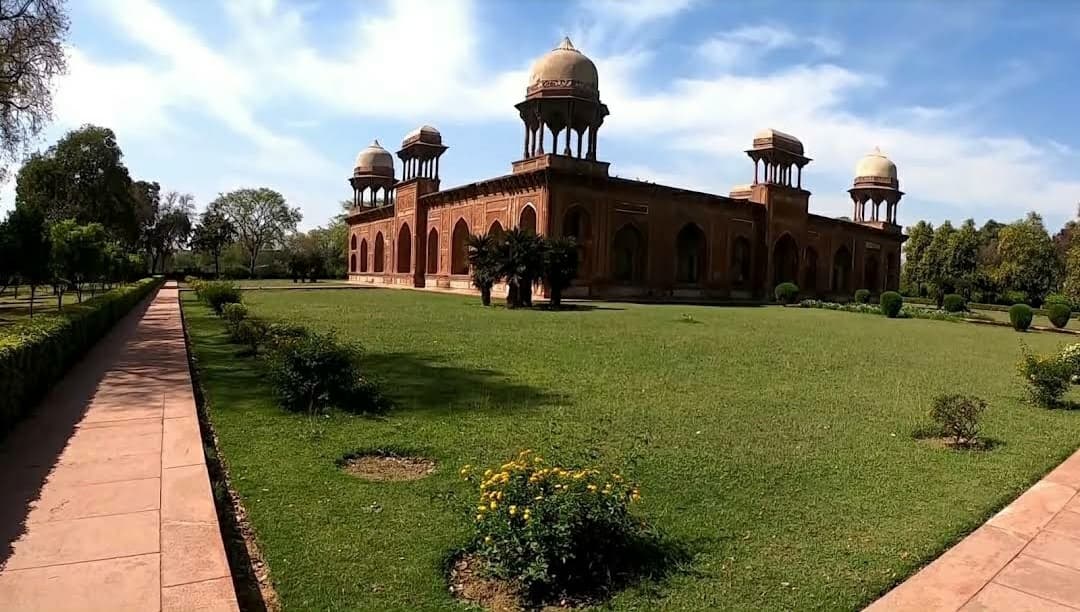
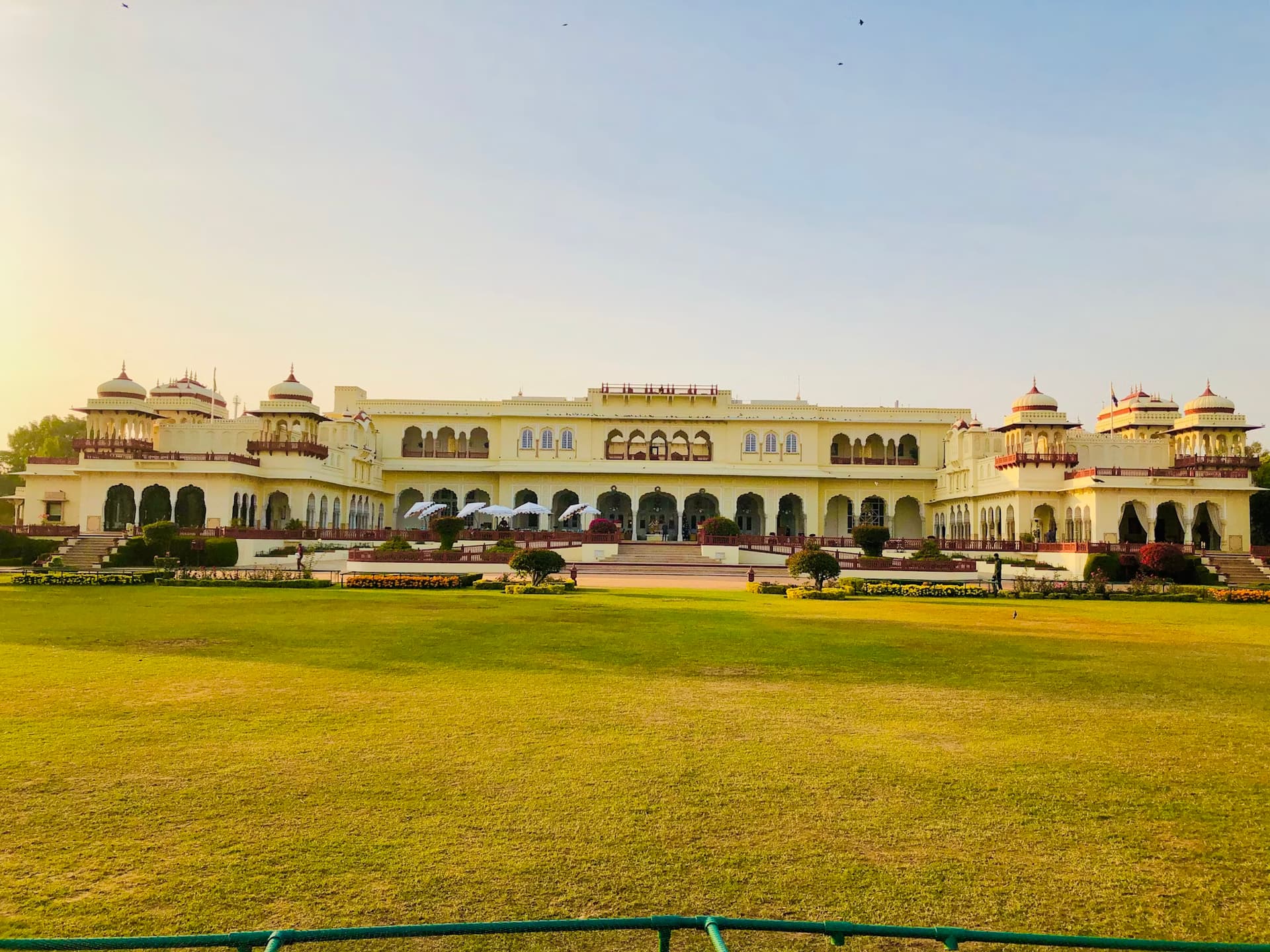
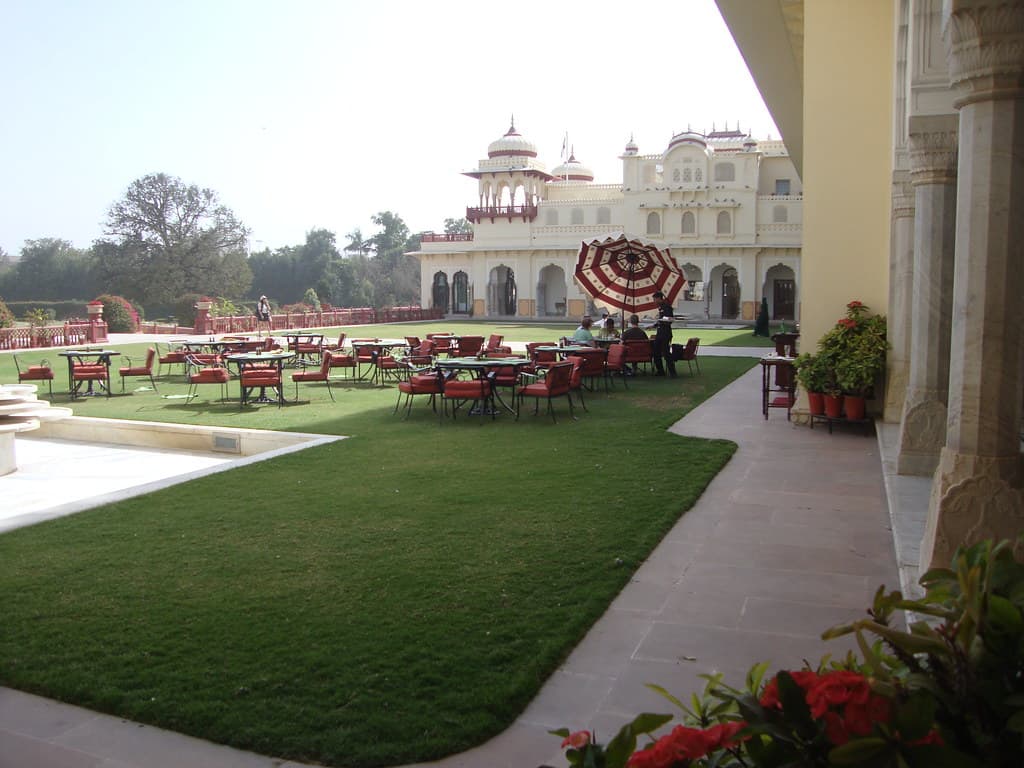
Rambagh Gardens, located in Agra, Uttar Pradesh, is one of the oldest and most historically significant gardens in India. Established during the Mughal period, this garden is renowned for its classical Mughal layout and historical importance. It serves as a tranquil retreat, showcasing the elegance of Mughal landscaping and architectural design.
Label: Off beat
How to reach: Bike, bus, taxi, auto
Timings: 6:00 AM to 6:00 PM
Time Required: 2 hours
Entry Fee: INR 10 for Indians and INR 100 for Foreigners
Historical Significance:
Rambagh Gardens was originally laid out during the reign of the Mughal Emperor Babur, making it one of the earliest examples of Mughal garden design. Babur, known for his love of gardens, commissioned the creation of this garden as a part of his desire to cultivate paradise on earth. The garden has since been a site of historical interest, reflecting the Mughal’s affinity for beautiful and meticulously designed green spaces.
Architectural Details:
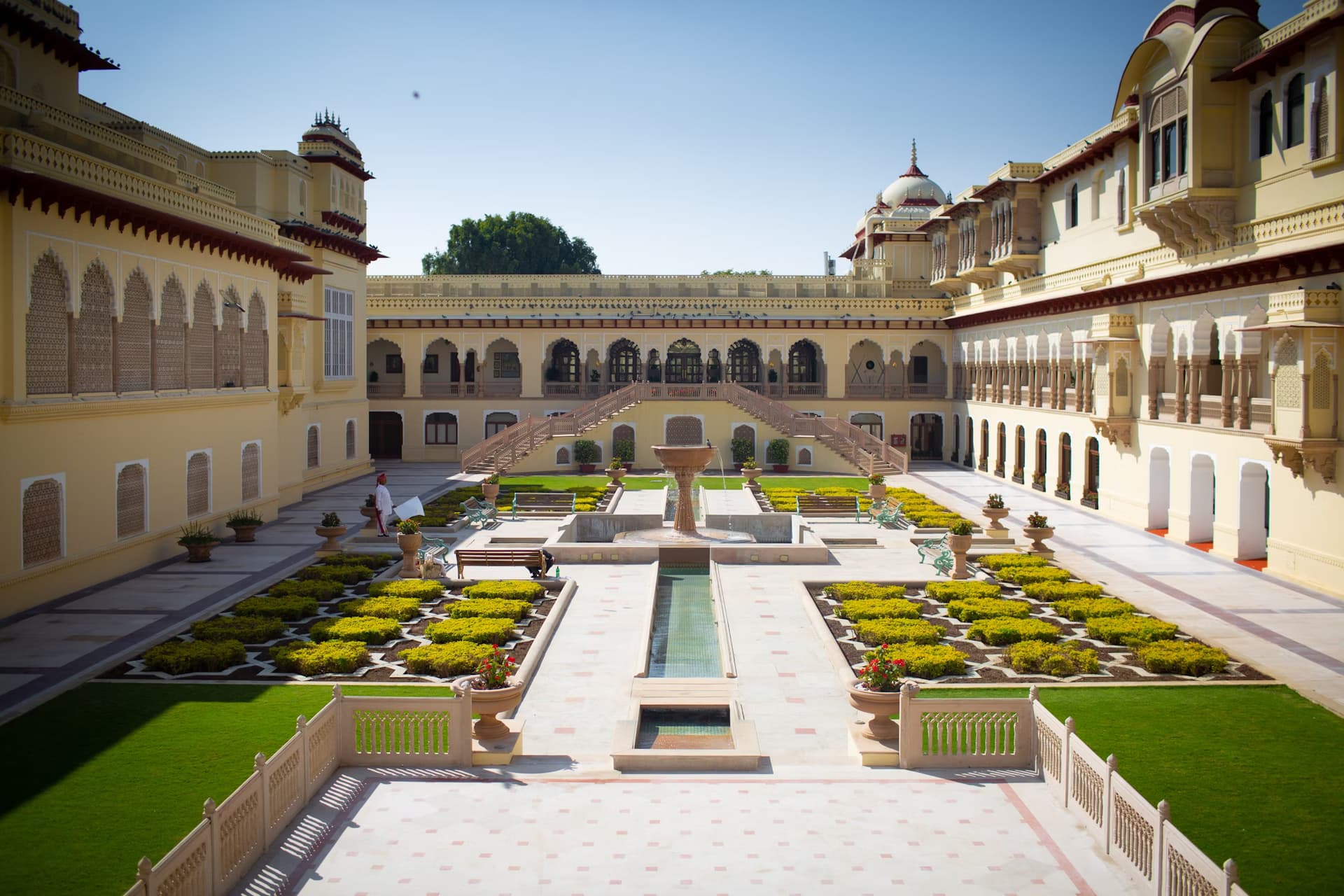
Layout and Design: The garden follows the traditional Mughal Charbagh (four-part) layout, divided into four main quadrants by water channels and pathways. This design symbolizes the Islamic concept of paradise.
Water Features: Central to the garden is a large water tank with a pavilion in the center, adding to the aesthetic appeal and cooling effect of the space.
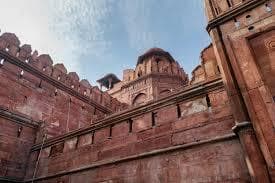
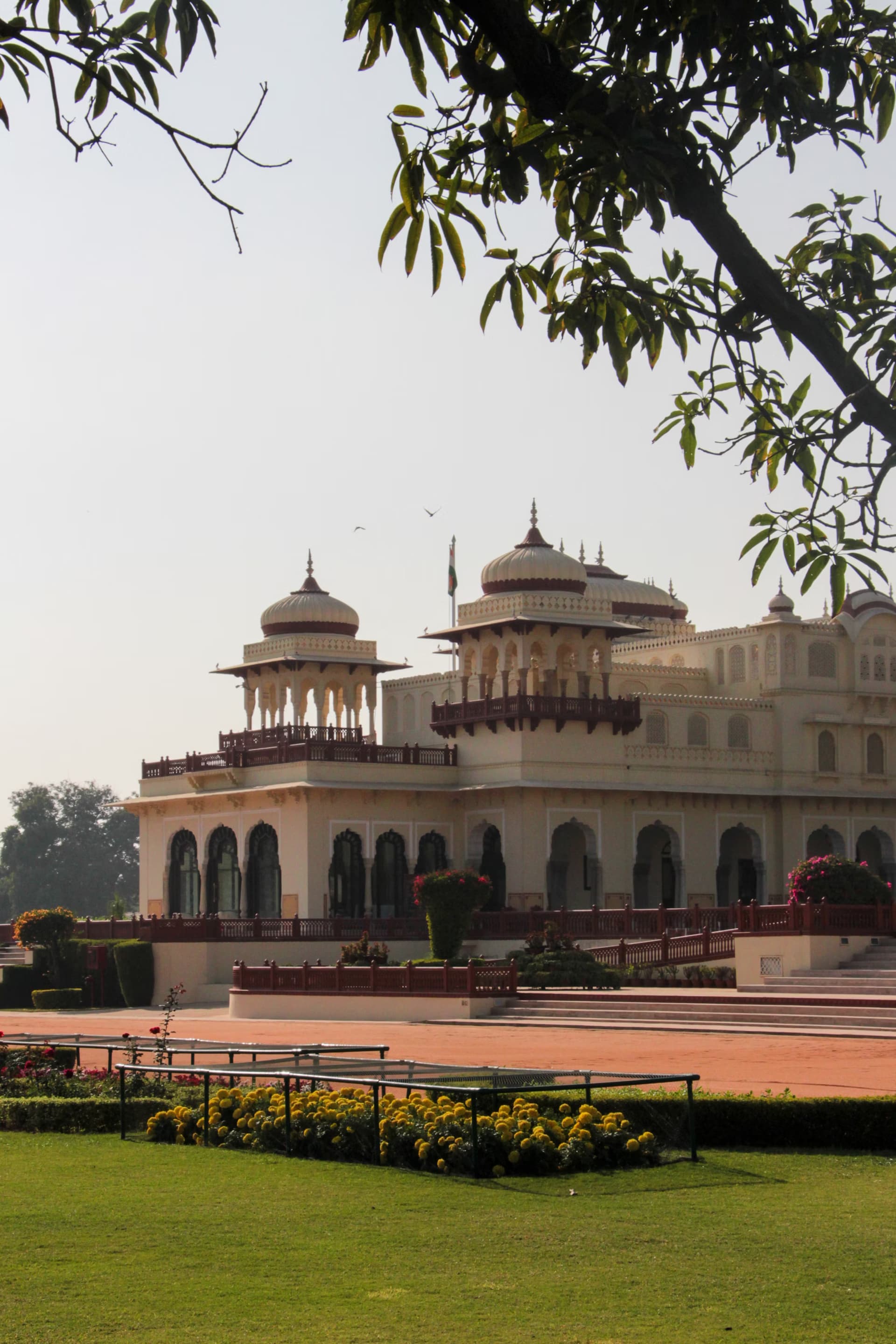
Pavilions and Structures: The garden contains several pavilions and small structures, including a central tomb or pavilion that serves as a focal point. The use of red sandstone and white marble in these structures highlights the Mughal architectural style.
Landscaping: The garden is meticulously landscaped with a variety of flowering plants, shrubs, and trees, demonstrating the Mughal emphasis on harmony between nature and architecture.
Key Features and Attractions:
Historical Significance: Rambagh Gardens is notable for its historical background, being one of the earliest Mughal gardens, and offers insights into Mughal landscaping practices.
Architectural Beauty: The combination of water features, pavilions, and well-planned layouts makes the garden an excellent example of Mughal garden design.
Scenic Views: The garden offers scenic views and a peaceful environment, making it an ideal spot for relaxation and reflection.
Cultural Heritage:
Rambagh Gardens represents the Mughal era’s architectural and cultural heritage, reflecting their love for gardens and their integration of natural beauty with architectural grandeur. It is a testament to the Mughal's ability to create lush, serene spaces within urban settings.

Leave the planning to a local expert
Nearby Attractions:
Taj Mahal: Located nearby, this iconic monument is a prime example of Mughal architecture and is a major attraction in Agra.
Agra Fort: A UNESCO World Heritage Site and significant Mughal fort, offering rich historical and architectural insights.
Mehtab Bagh: Another Mughal garden across the Yamuna River, providing excellent views of the Taj Mahal and further enhancing the historical experience.
Tips for Visitors:
Best Time to Visit: Early mornings or late afternoons are ideal for visiting to avoid the heat and enjoy the garden’s tranquility.
Guided Tours: A guided tour can enhance the experience by providing historical context and details about the garden’s design and significance.
Respectful Behavior: Visitors should respect the historical and cultural significance of the site, avoiding any actions that could damage the garden or its structures.
Conclusion:
Rambagh Gardens stands as a significant example of Mughal garden design, reflecting the grandeur and elegance of the Mughal era. Its historical importance, architectural beauty, and serene environment make it a must-visit destination for those interested in Mughal history and garden design. The garden offers a peaceful retreat and a glimpse into the Mughal’s vision of paradise on earth.