Itimad-Ud-Daulah's tomb
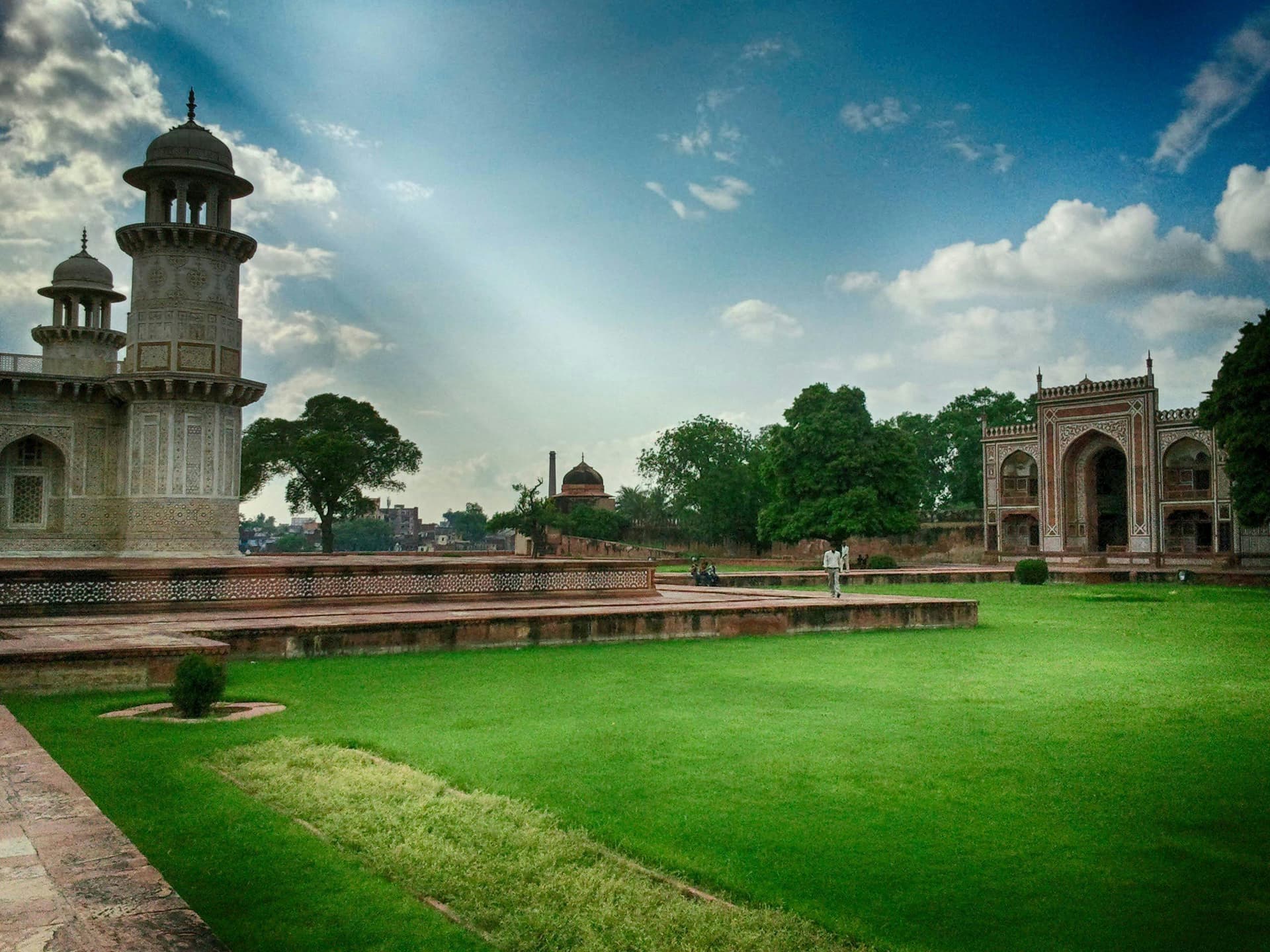
Overview
Itimad-ud-Daulah's Tomb, often referred to as the "Baby Taj," is a Mughal mausoleum located in Agra, Uttar Pradesh, India. It is considered a precursor to the Taj Mahal due to its intricate marble work and symmetrical design. The tomb was commissioned by Nur Jahan, the wife of Mughal Emperor Jahangir, for her father, Mirza Ghiyas Beg, who held the title of Itimad-ud-Daulah (Pillar of the State).
Label: Off beat
How to reach: Bike, bus, taxi, auto
Timings: 6:00 AM to 6:00 PM
Time Required: 1-2 hours
Entry Fee: INR 10 for Indians and INR 100 for Foreigners
Historical Significance:
Built between 1622 and 1628, Itimad-ud-Daulah's Tomb marks a significant transition in Mughal architecture, moving from the use of red sandstone to white marble. The tomb represents the influence of Persian art on Mughal architecture and serves as an important example of early Mughal craftsmanship. It is also notable for its association with Nur Jahan, one of the most powerful and influential women in Mughal history.
Architectural Details:
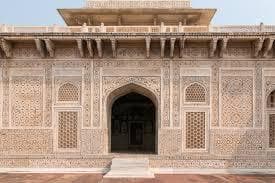
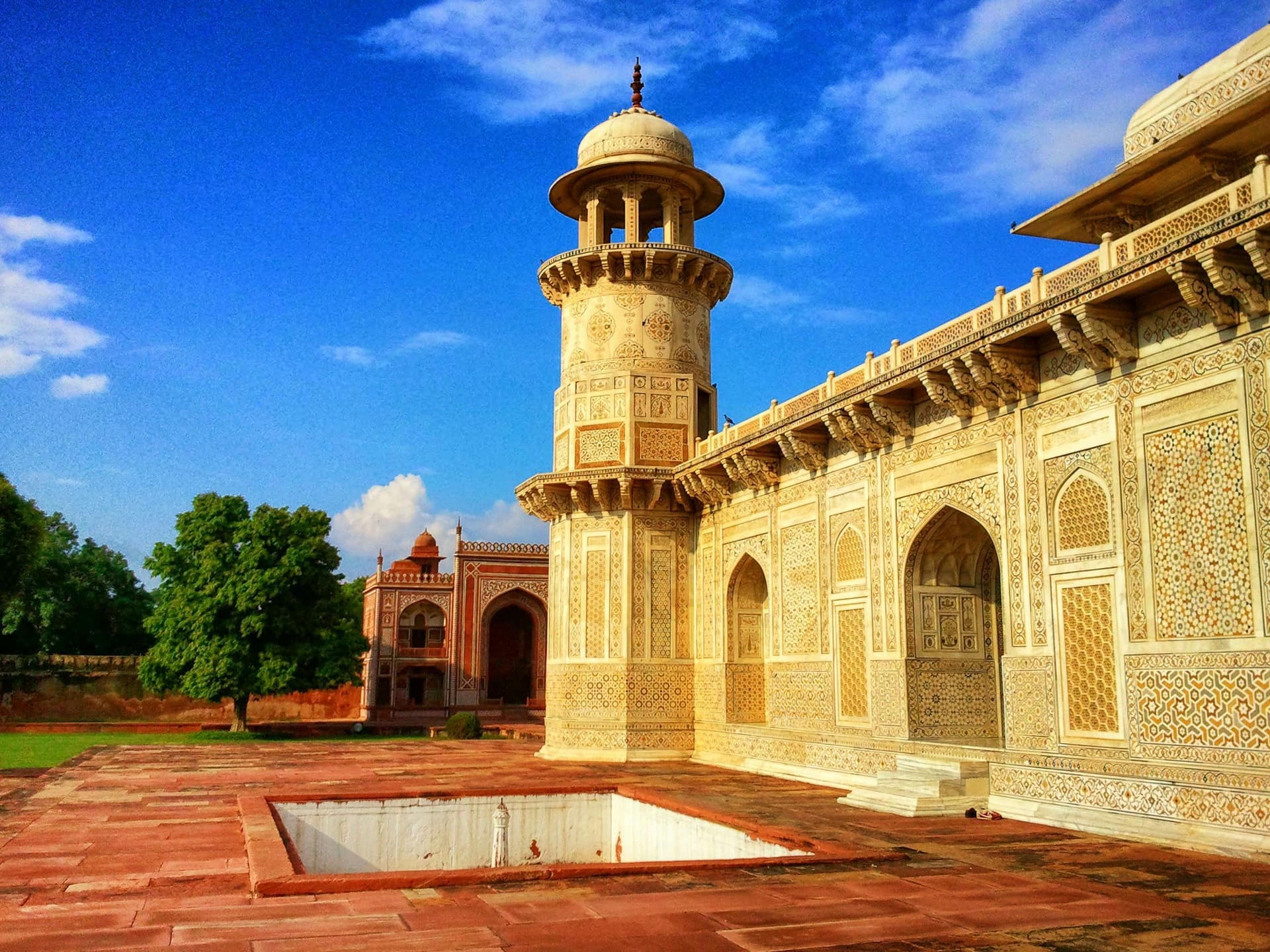
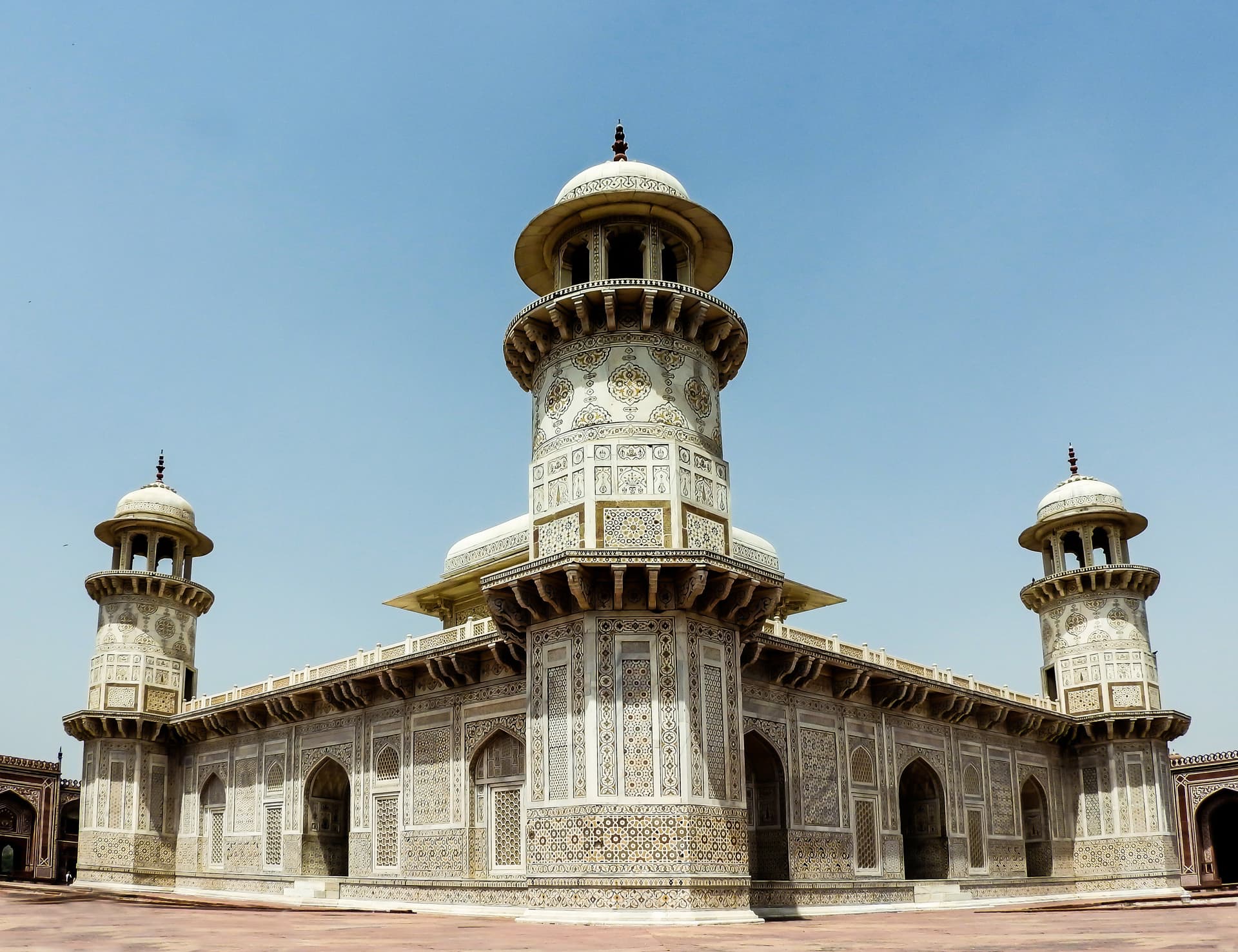
Marble Inlay Work: The tomb is renowned for its detailed marble inlay work, including intricate floral and geometric patterns created with semi-precious stones like lapis lazuli, onyx, jasper, topaz, and cornelian.
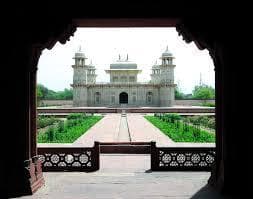
Symmetry and Proportions: The structure exhibits perfect symmetry, a hallmark of Mughal architecture. The main tomb building is set within a Charbagh (four-part) garden, divided by walkways and water channels.
Pavilions and Minarets: The tomb features four corner minarets that rise gracefully, adding to its architectural elegance. The central chamber is surrounded by smaller chambers and pavilions.
Jaali Screens: The tomb is adorned with intricate jaali (lattice) screens carved from marble, which allow light to filter into the interior in beautiful patterns.
Key Features and Attractions:
Central Chamber: The central chamber houses the cenotaphs of Mirza Ghiyas Beg and his wife Asmat Begum. The interior is decorated with colorful frescoes and inlay work.
Gardens: The surrounding gardens are designed in the Charbagh layout, with pathways and water channels creating a serene environment that enhances the tomb's beauty.
Pietra Dura: The tomb is one of the earliest examples of pietra dura, an intricate technique of inlaying colored stones into white marble to create detailed designs.
Cultural Heritage:
Itimad-ud-Daulah's Tomb embodies the blending of Persian and Mughal artistic traditions. The tomb's design and decorative elements influenced later Mughal architecture, including the Taj Mahal. It stands as a testament to the artistic and cultural achievements of the Mughal Empire during the reign of Jahangir and Nur Jahan.
Nearby Attractions:
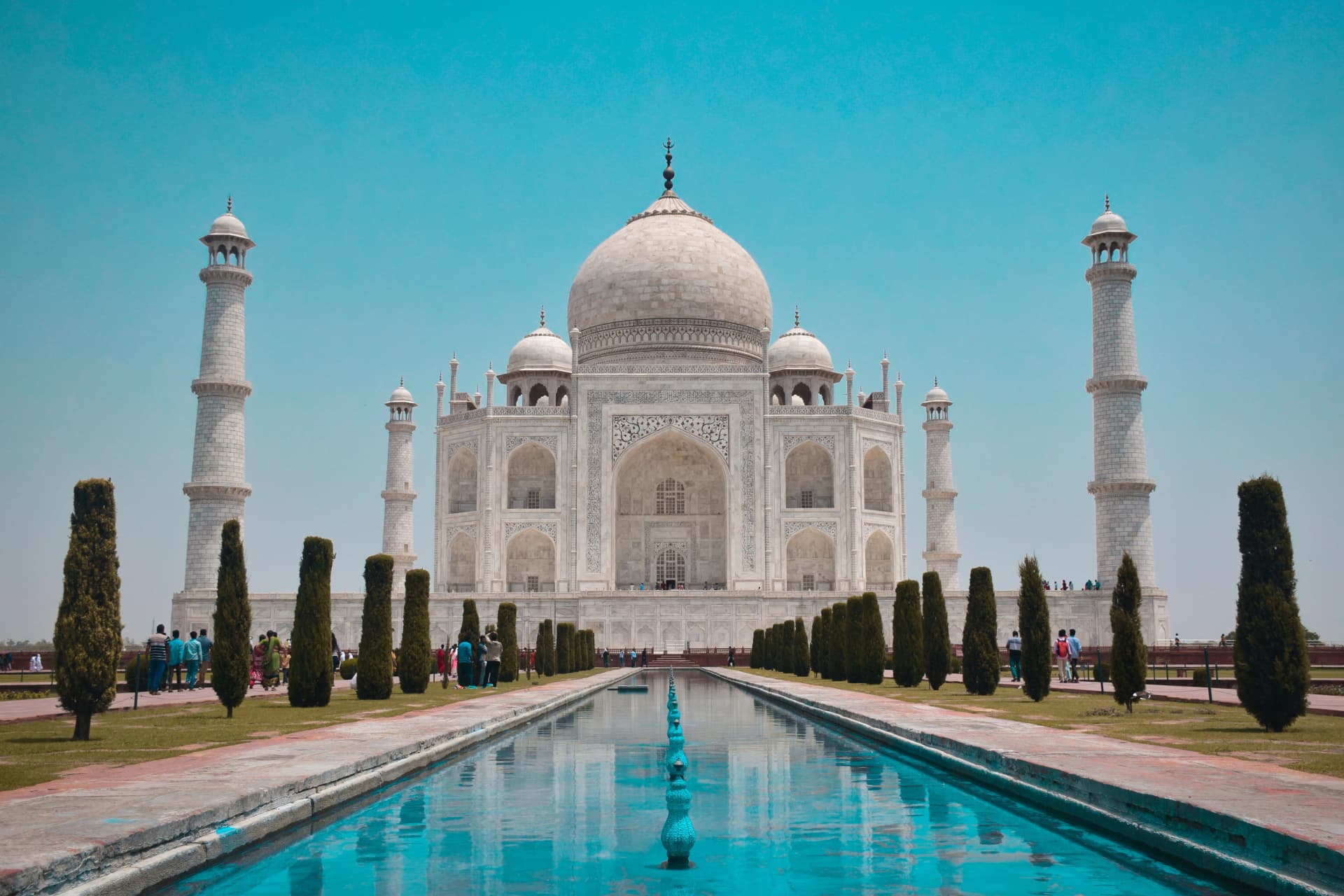
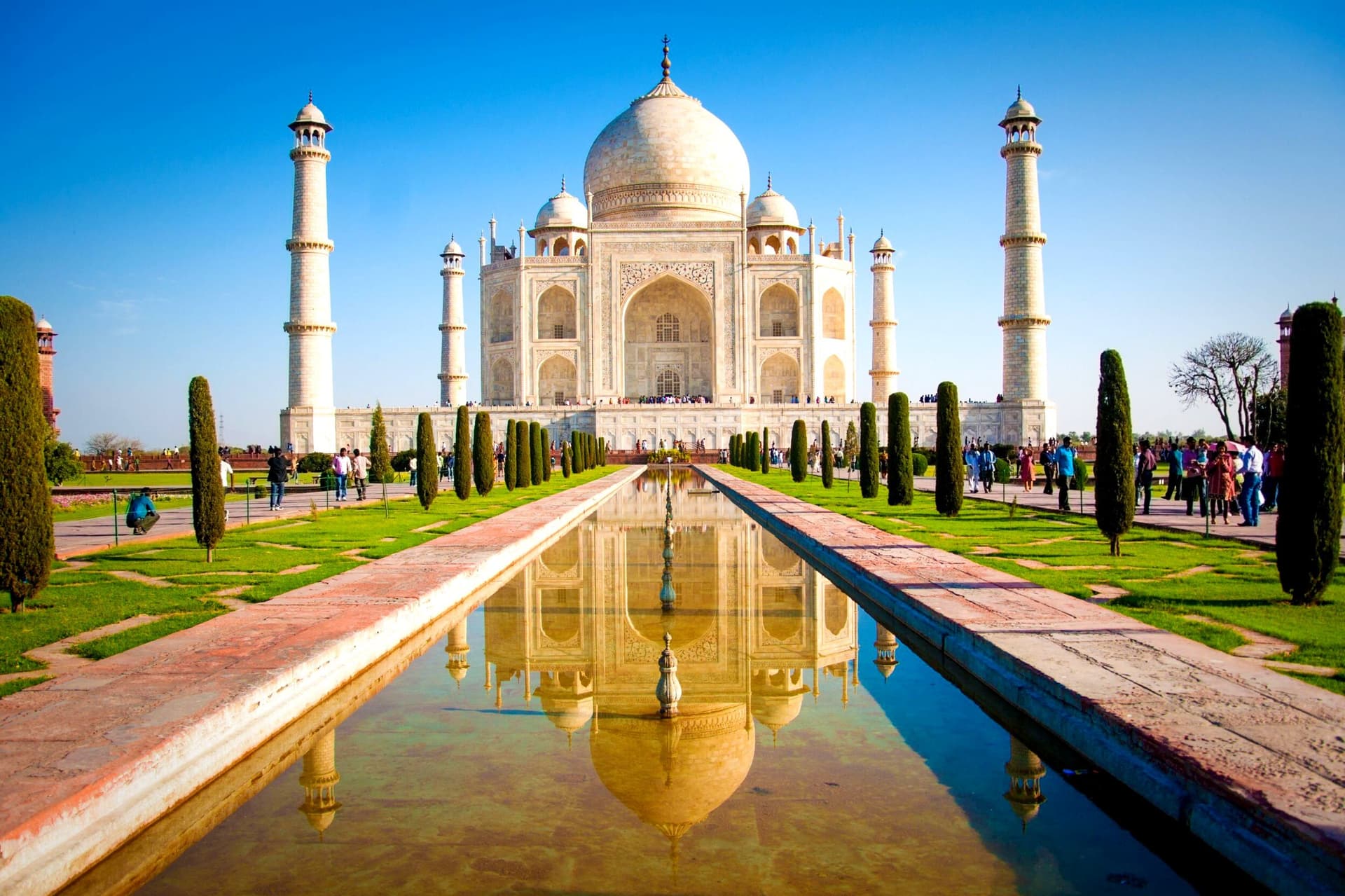
Taj Mahal: Located nearby, the Taj Mahal is one of the most famous monuments in the world, known for its architectural beauty and historical significance.
Agra Fort: A UNESCO World Heritage Site, Agra Fort is a large red sandstone fort that served as the main residence of the Mughal emperors.
Mehtab Bagh: A garden complex across the Yamuna River offering a scenic view of the Taj Mahal, especially at sunset.

Leave the planning to a local expert
Festivals and Events:
Taj Mahotsav: An annual cultural festival in Agra showcasing traditional music, dance, and crafts.
Local Festivals: Major Indian festivals such as Diwali and Holi are celebrated with vibrant festivities throughout Agra.
Tips for Visitors:
Best Time to Visit: Early mornings and late afternoons are ideal for visiting to avoid crowds and enjoy the tomb in cooler temperatures.
Guided Tours: Hiring a guide can provide deeper insights into the tomb’s history, architecture, and cultural significance.
Photography: The tomb and its gardens offer excellent photography opportunities. Be mindful of restrictions in certain areas.
Conclusion:
Itimad-ud-Daulah's Tomb is a significant historical and architectural site in Agra, representing the evolution of Mughal architecture and artistry. Its intricate marble work, symmetrical design, and serene gardens make it a must-visit destination for those interested in Mughal history and architecture. The tomb's influence on later monuments, including the Taj Mahal, highlights its importance in the legacy of Mughal architecture.