
Mariam's Tomb
Overview
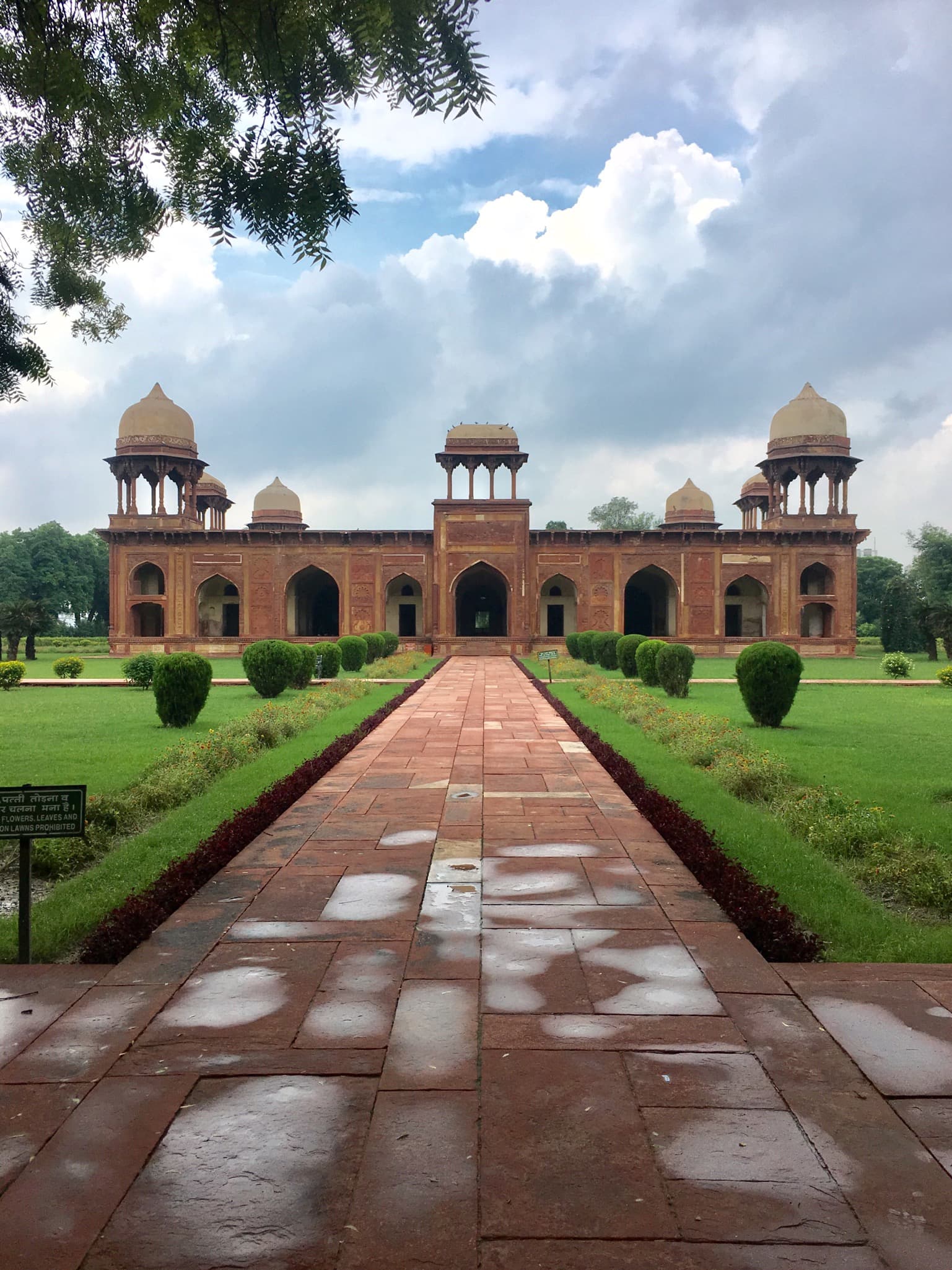
Mariam's Tomb is a beautiful mausoleum located in Sikandra, near Agra, Uttar Pradesh, India. It is the final resting place of Mariam-uz-Zamani, the wife of Mughal Emperor Akbar and the mother of Emperor Jahangir. The tomb is an architectural gem reflecting Mughal artistry and cultural heritage.
Label: Off beat
How to reach: Bike, bus, taxi, auto
Timings: 6:00 AM to 6:00 PM
Time Required: 1-2 hours
Entry Fee: INR 15 Per Adult
Historical Significance:
Mariam-uz-Zamani, also known as Harkha Bai or Jodha Bai, was a Rajput princess who became one of Akbar's principal consorts. Her marriage to Akbar symbolized the alliance between the Mughals and the Rajputs. The tomb was built by her son Jahangir in her memory, showcasing the deep respect and affection he had for his mother.
Architectural Details:
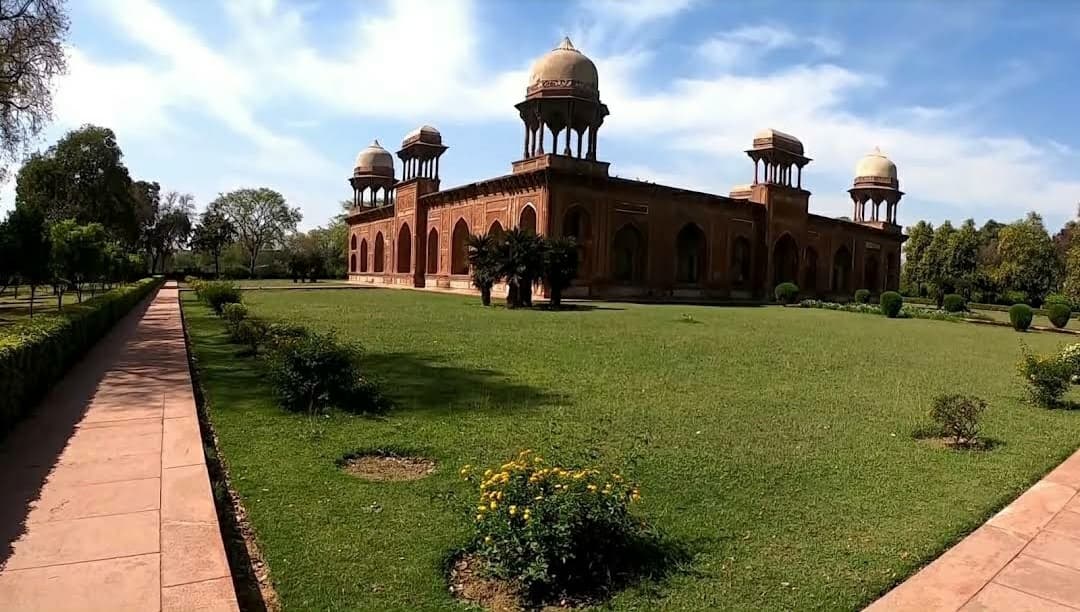
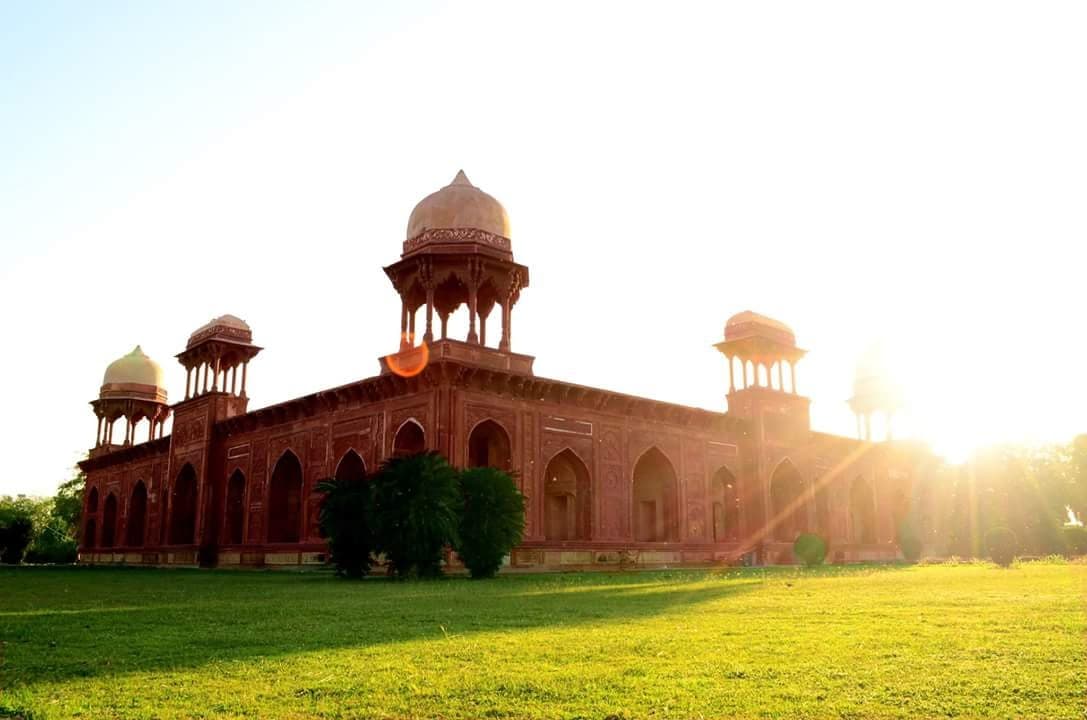
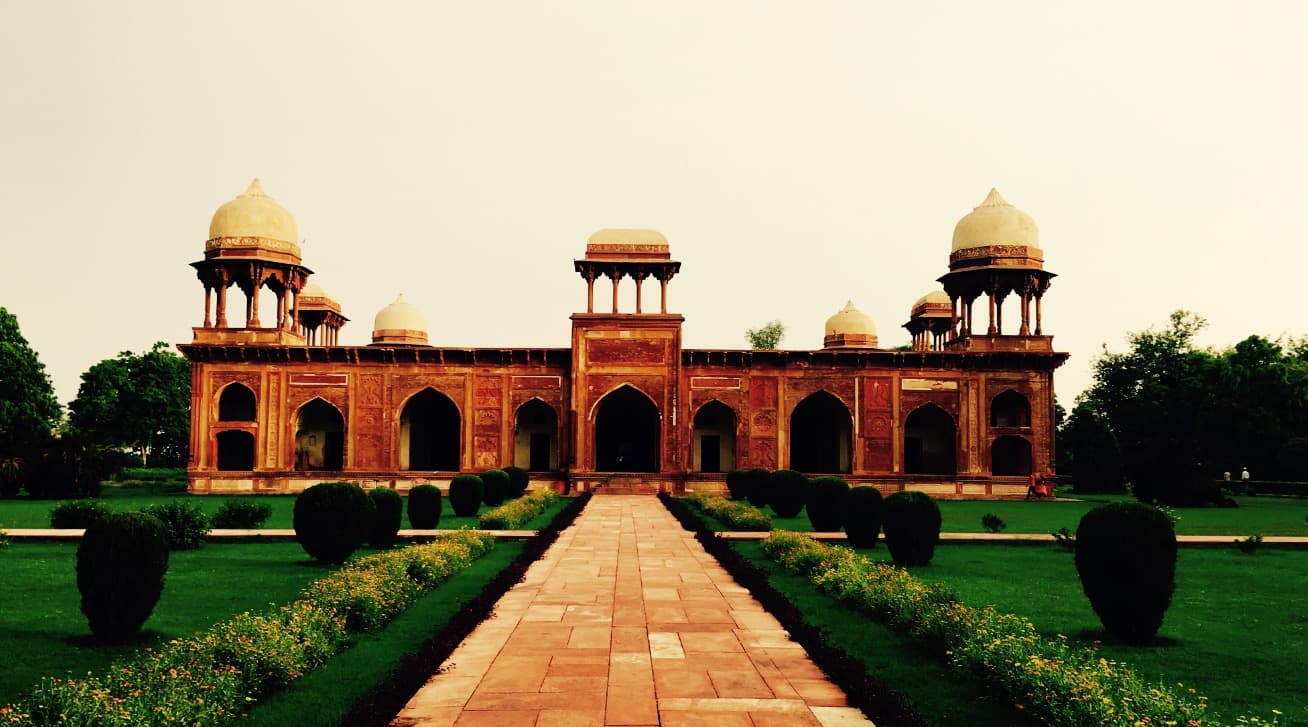
Structure: The tomb is constructed in a blend of red sandstone and white marble, typical of Mughal architecture. The design is simple yet elegant, reflecting a combination of Islamic and Hindu architectural elements.
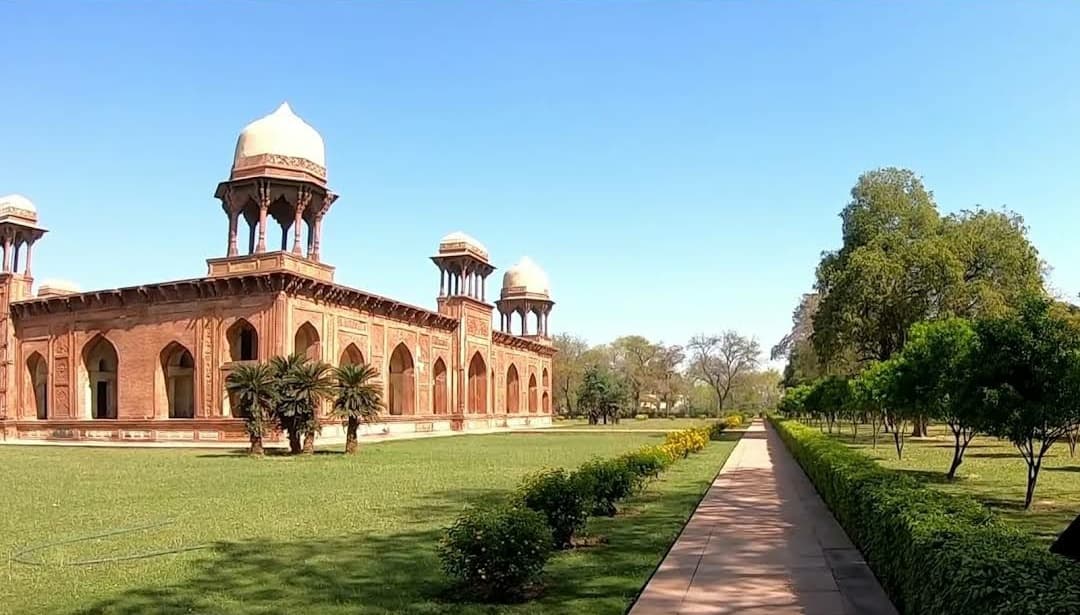
Chhatris: The tomb features several chhatris (domed pavilions) on the roof, which are supported by intricately carved pillars. These chhatris add to the aesthetic appeal and are a hallmark of Rajput architecture.
Interior and Exterior: The interior of the tomb is relatively plain, with a central chamber housing the cenotaph of Mariam-uz-Zamani. The exterior walls are adorned with beautiful floral motifs and geometric patterns.
Garden: The tomb is surrounded by a well-maintained garden, laid out in the Charbagh (four-part) style, which is a typical Mughal garden design symbolizing paradise.
Key Features and Attractions:
Peaceful Ambiance: The serene environment of the tomb and its surrounding gardens offer a peaceful retreat from the bustling city of Agra.
Architectural Beauty: The combination of Islamic and Hindu architectural styles makes the tomb an interesting study for architecture enthusiasts.
Historical Insight: The tomb provides a glimpse into the life and times of Mariam-uz-Zamani and the Mughal era.
Cultural Heritage:
Mariam's Tomb stands as a testament to the cultural integration and architectural innovation of the Mughal period. It reflects the influence of Rajput and Islamic traditions, embodying the cultural harmony promoted by Emperor Akbar.

Leave the planning to a local expert
Nearby Attractions:
Akbar’s Tomb: Located nearby in Sikandra, Akbar’s Tomb is another significant Mughal monument worth visiting.
Agra Fort: A UNESCO World Heritage Site and a major Mughal fortification, offering rich historical insights and architectural beauty.
Taj Mahal: The iconic mausoleum built by Shah Jahan, located a short drive away in Agra.
Tips for Visitors:
Best Time to Visit: Early mornings or late afternoons are ideal for visiting to avoid the heat and crowds.
Guided Tours: Hiring a guide can provide deeper insights into the history and architecture of the tomb.
Respectful Behavior: As with any historical and cultural site, visitors should behave respectfully and maintain the cleanliness of the area.
Conclusion:
Mariam's Tomb is a significant historical and architectural landmark in Agra, reflecting the rich cultural heritage of the Mughal era. Its peaceful ambiance, architectural beauty, and historical significance make it a must-visit destination for those interested in Mughal history and culture. The tomb stands as a tribute to Mariam-uz-Zamani and the cultural harmony of her time, offering a serene and enlightening experience for visitors.