Culture
What is Andaman and Nicobar’s culture?
3 minutes
29th May 2024
 by Shakti Iyer
The cultural chronicles of Andaman & Nicobar Islands.
Though over the years people from various parts of India have settled in the islands, contributing to a mix of cultures. Bengali, Tamil, Telugu, Punjabi, and other Indian communities coexist here but the islands are home to several indigenous tribes, such as the Great Andamanese, Onge, Jarwa, and Sentinalese. These tribes have unique languages, customs, and traditions. Here are some interesting facts you did not know about the culture in Andaman and Nicobar islands.
Understanding the heritage of Andaman & Nicobar
culture of andaman - Courtesy of Photographer
The Sentinelese Isolation: The Sentinelese tribe, living on North Sentinel Island, is among the last uncontacted peoples in the world. They have fiercely resisted outside contact for centuries, maintaining a unique and isolated way of life. Their exact population is unknown, and their language, customs, and way of life remain a mystery to outsiders. Efforts to contact them have often been met with hostility, highlighting their desire to remain undisturbed.
Jarwa People’s Adaptation: The Jarwa tribe, traditionally nomadic hunter-gatherers, have recently begun interacting more with the outside world. This increased contact has brought about significant cultural changes and challenges in preserving their traditional lifestyle. While some Jarwas have adapted to using modern tools and clothing, others still adhere to their ancestral ways, creating a unique blend of old and new within the community.
Great Andamanese Language: The Great Andamanese people speak a language that is part of a nearly extinct language family. With only a few speakers remaining, efforts are underway to document and preserve this linguistic heritage. The Great Andamanese language is rich in oral traditions, songs, and stories, providing valuable insights into their history and culture.
Syncretic Festivals: The Andaman and Nicobar Islands are a melting pot of cultures and religions. It’s not uncommon for people from different religious backgrounds to celebrate each other’s festivals. For instance, Hindus might celebrate Christmas with their Christian neighbors, and Muslims might participate in Diwali festivities. This syncretism fosters a sense of community and mutual respect among the islanders.
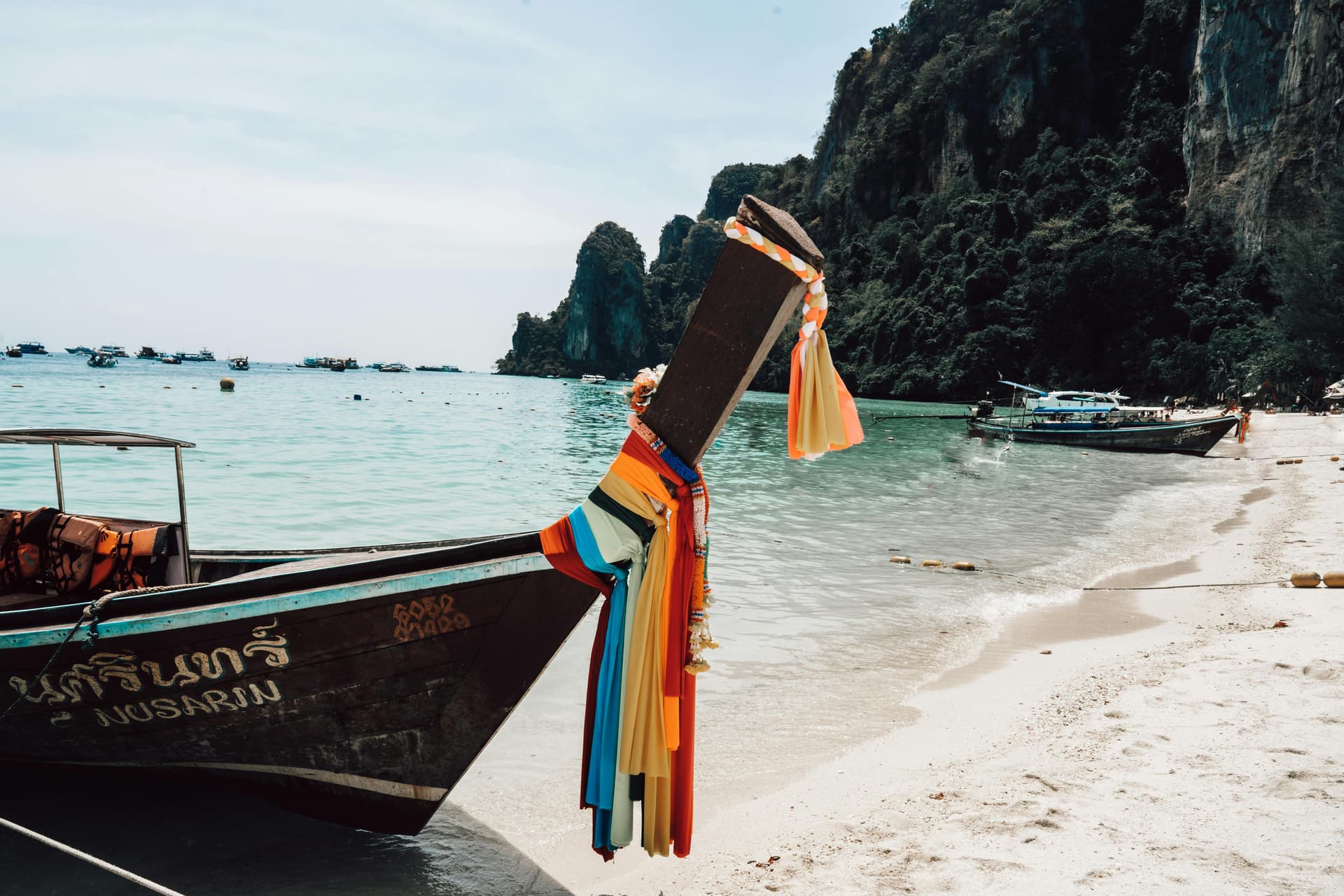
Nicobarese Canoes: The Nicobarese community is renowned for their skill in building traditional canoes, called "hodi." These canoes are crafted without using nails, relying instead on intricate lashing techniques passed down through generations. The hodi are essential for fishing and transportation between islands, reflecting the Nicobarese people's deep connection to the sea.
Historical Penal Colony: The Cellular Jail in Port Blair, once a colonial prison where many Indian freedom fighters were incarcerated, is now a symbol of India's struggle for independence. The jail's history is a poignant reminder of the islands' significant role in the country's freedom movement. Today, it serves as a museum, educating visitors about the sacrifices made by those who fought for India's independence.
Anthropological Goldmine: The islands are an anthropologist's dream, offering a window into different stages of human civilization. From the hunter-gatherer societies of the Onge and Jarwa tribes to the settled agricultural communities of the Nicobarese, the Andaman and Nicobar Islands provide a unique opportunity to study diverse ways of life and cultural evolution.
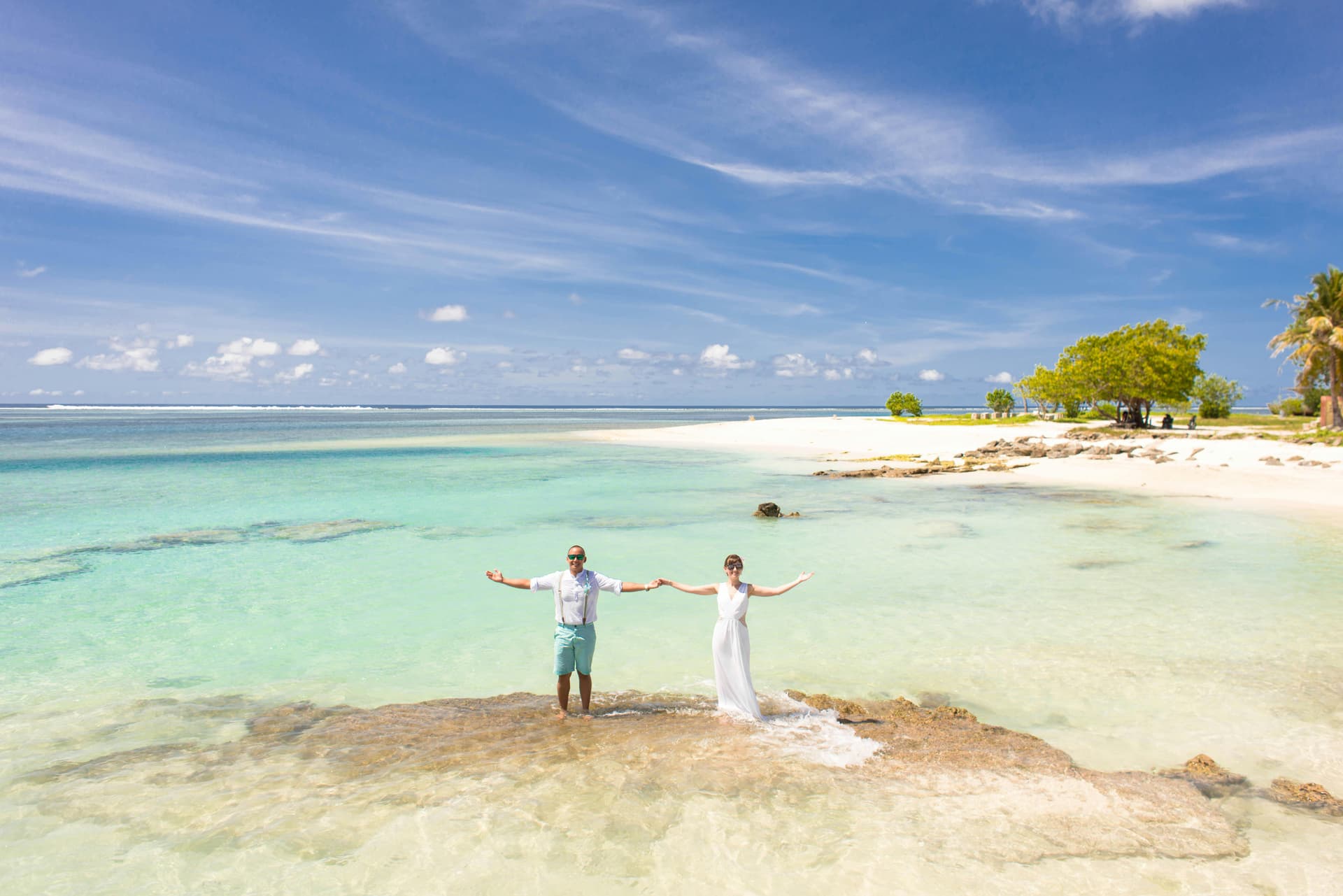
Island Weddings: Weddings in the Andaman and Nicobar Islands are grand affairs, blending mainland Indian traditions with local customs. Coastal settings and beachside ceremonies are popular, reflecting the islands' natural beauty. These weddings often feature a mix of traditional rituals, vibrant attire, and delicious feasts, creating memorable celebrations.
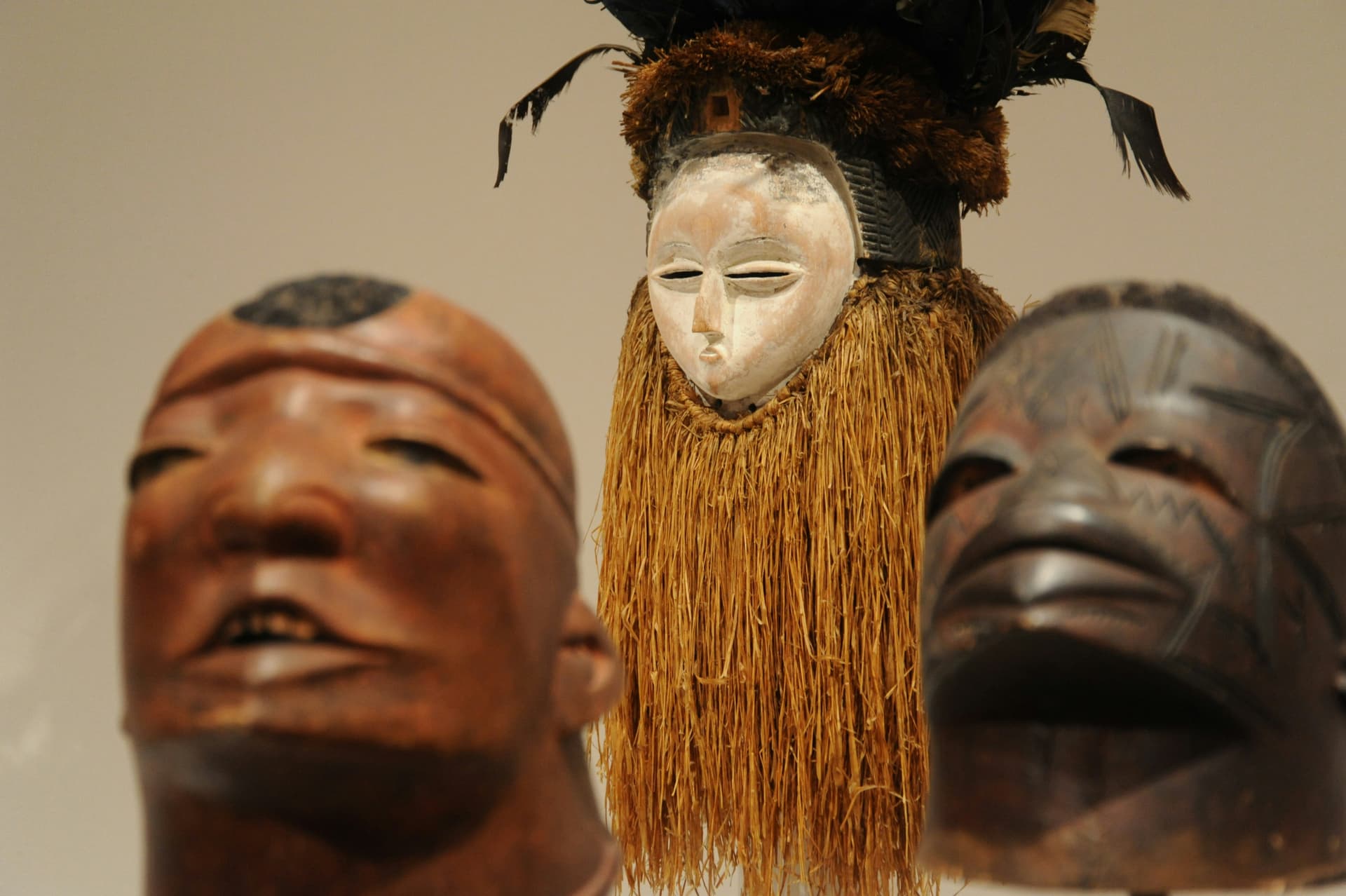
Unique Art Forms: The indigenous tribes are known for their distinctive art forms, including body painting, intricate jewelry, and carvings made from natural materials like shells, wood, and bones. These artistic expressions are not only aesthetically pleasing but also carry cultural significance, representing stories, beliefs, and traditions passed down through generations.
Environmental Guardians: Indigenous people, particularly the Nicobarese and Onge, possess traditional ecological knowledge that has been passed down through generations. They practice sustainable living and have a deep respect for the natural environment, which is integral to their cultural identity. Their practices include sustainable fishing, rotational farming, and the use of natural resources in a way that ensures their preservation for future generations.
These facts highlight the rich and multifaceted cultural tapestry of the Andaman and Nicobar Islands, showcasing the unique blend of ancient traditions and contemporary influences that define this fascinating region.