Blog
Here are 10 things you did not know about Andaman & Nicobar Islands!
3 minutes
29th May 2024
 by Shakti Iyer
Facts about Andaman & Nicobar
Ironically, the most spoken language is not Andamanese or Nicobarese!
You heard that right. I guess we blame the people who visit there, fall in love with the islands and just happen to settle down! The most spoken language is Bengali. It is followed by Tamil, Telugu, Hindi and Malayalam. A little of south India lives in Andaman and Nicobar.
Find out interesting facts about Andaman and Nicobar
.jpg&w=1920&q=75)
aquatic life - Courtesy of Photographer
Have you ever wondered where the first sun rise of the millennium happened?
Absolutely. It was in our very own Andaman and Nicobar islands. The Katchal island, also known as Royal Greenwich Laboratory declared it would be the first place on earth to catch a sunrise of the Millennium.
Heard of the Leatherback turtle?
Also known as the largest living reptile in the world, that weighs over a ton resides in the Andaman and Nicobar islands! Consider yourself lucky if you spot these rare babies between January and April.
It is home to one of the most isolated Paleolithic tribes
The Sentinelese tribes have been living in the North Sentinel Island for over 60,000 years now. The reject all the contact with outsiders. In fact these fierce people happen to fire arrows at anyone who gets in their range! There are protests and orders to not go in contact with them as they could entirely be wiped out by diseases for which they have not developed any immunity!
There is something called a sea cow? Do they eat sea grass?
A sea cow or also known as Dugong, is the state animal of Andaman and Nicobar islands. This plump aquatic animal would be found strolling and chewing on sea grass. They are also called ‘Angel of the sea’ !
The Nicobar breadfruit, a rare fruit !
Pandanus or the Nicobar breadfruit is a weird shaped fruit which is quite hard in texture. It has a pulp that smells like something you cant resist! It cooked as a staple food in Nicobar. The leaves used for weaving mats and the hard exterior is used as a bathing brush.
India’s only active volcano, Barren Island.
Barren Island, located in the Andaman Sea, is home to the only confirmed active volcano in South Asia. Part of the Andaman and Nicobar Islands, this volcanic island is situated about 135 kilometers northeast of Port Blair. The volcano, rising about 354 meters above sea level, has had a history of eruptions dating back to the late 18th century. Its most significant recent activity began in 1991 after a dormant period of nearly 150 years, with subsequent eruptions recorded intermittently, the latest being in 2021.
The island is uninhabited due to its harsh environment and lack of fresh water. Despite this, it attracts scientists and adventurous tourists interested in its geological features and the unique ecosystem that has adapted to its conditions. The surrounding waters, rich in marine life, are also popular for scuba diving.
Where have you seen this scenery before? Maybe the 20 Rupee note?
Yes, the 20 Rupee note is an image of the ever beautiful bay of the North Bay island of Mount Harriet. It is the second highest peak to exist in Andaman and Nicobar Archipelago!
What do you know about the history of Ross Island?
Ross Island, located near Port Blair in the Andaman and Nicobar Islands, has a significant historical legacy. Established as a British administrative headquarters in 1858, it served as the seat of British power in the Andamans until an earthquake in 1941. The island was a bustling colonial hub, with opulent buildings, a church, and a hospital. During World War II, it was occupied by the Japanese, who left behind bunkers and tunnels. Today, Ross Island is a popular tourist destination, known for its ruins overrun by nature, and its rich colonial history.
Indira Point: The Submerged Southernmost Tip of India Post-2004 Tsunami
Indira Point, India's southernmost point, is located on Great Nicobar Island in the Andaman and Nicobar archipelago. Named after Prime Minister Indira Gandhi, it was a picturesque locale marked by a lighthouse. However, during the catastrophic 2004 Indian Ocean Tsunami, the point subsided by 4.25 meters (14 feet), significantly altering its landscape. The tsunami's massive waves and the subsequent tectonic shifts led to this subsidence, causing widespread devastation. Today, Indira Point stands as a poignant reminder of the natural disaster's impact, symbolizing both the region's vulnerability and its resilience.

Leave the planning to a local expert
Related Posts
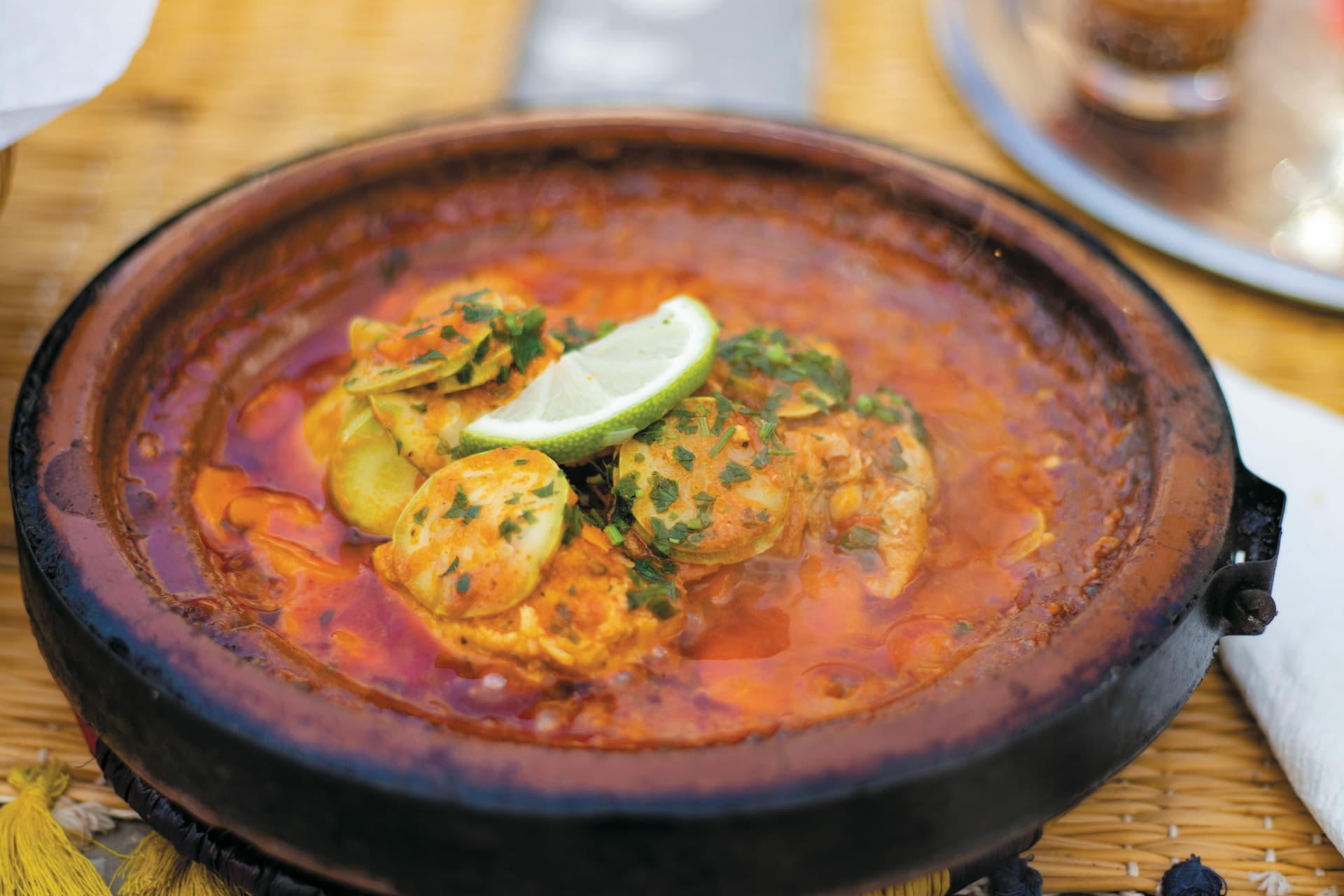
A collective menu for all the foodies....
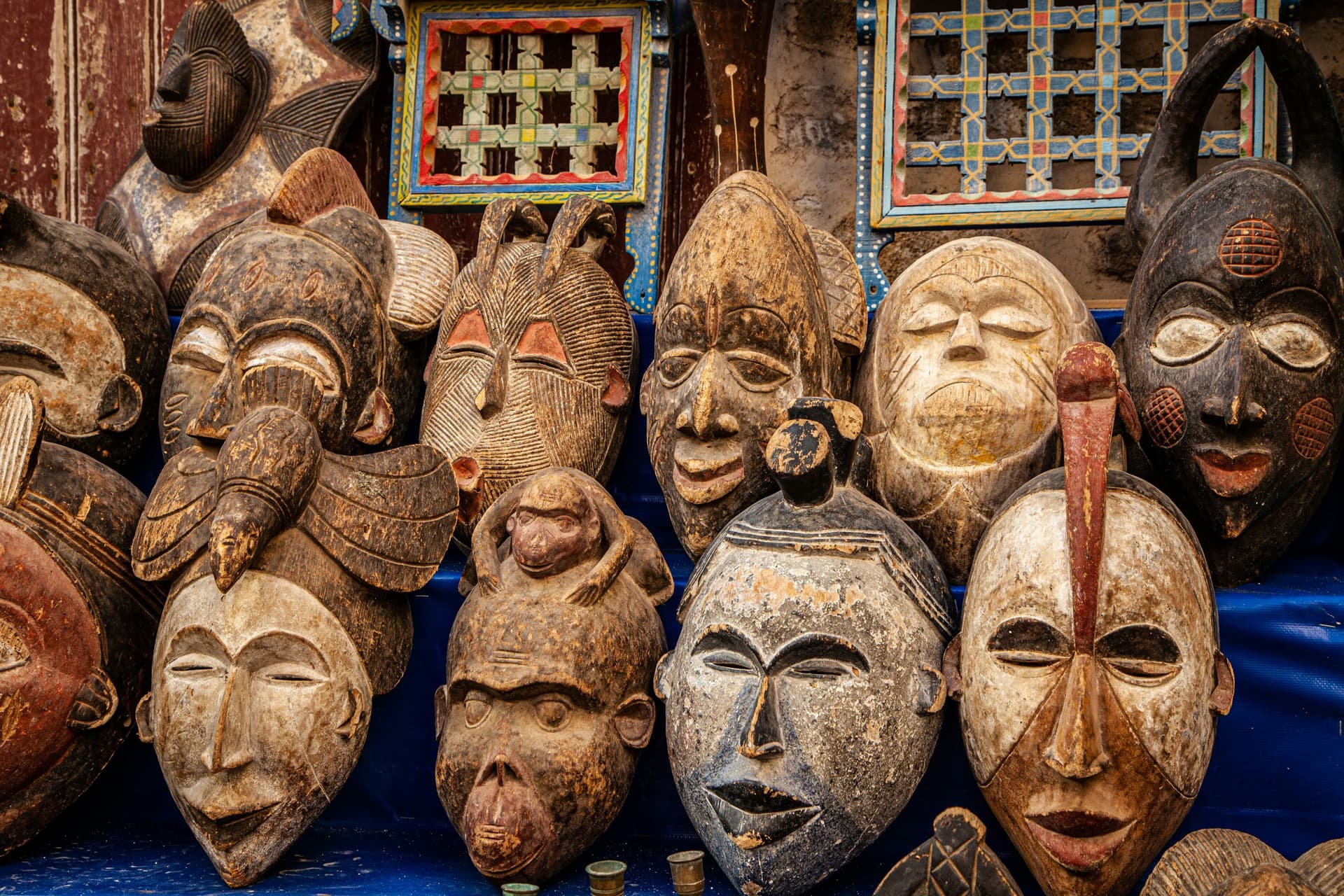
The cultural chronicles of Andaman & Nicobar Islands.

Here is what Andaman and Nicobar has to offer you.

Here's a guide to how you can backpack across this Island!
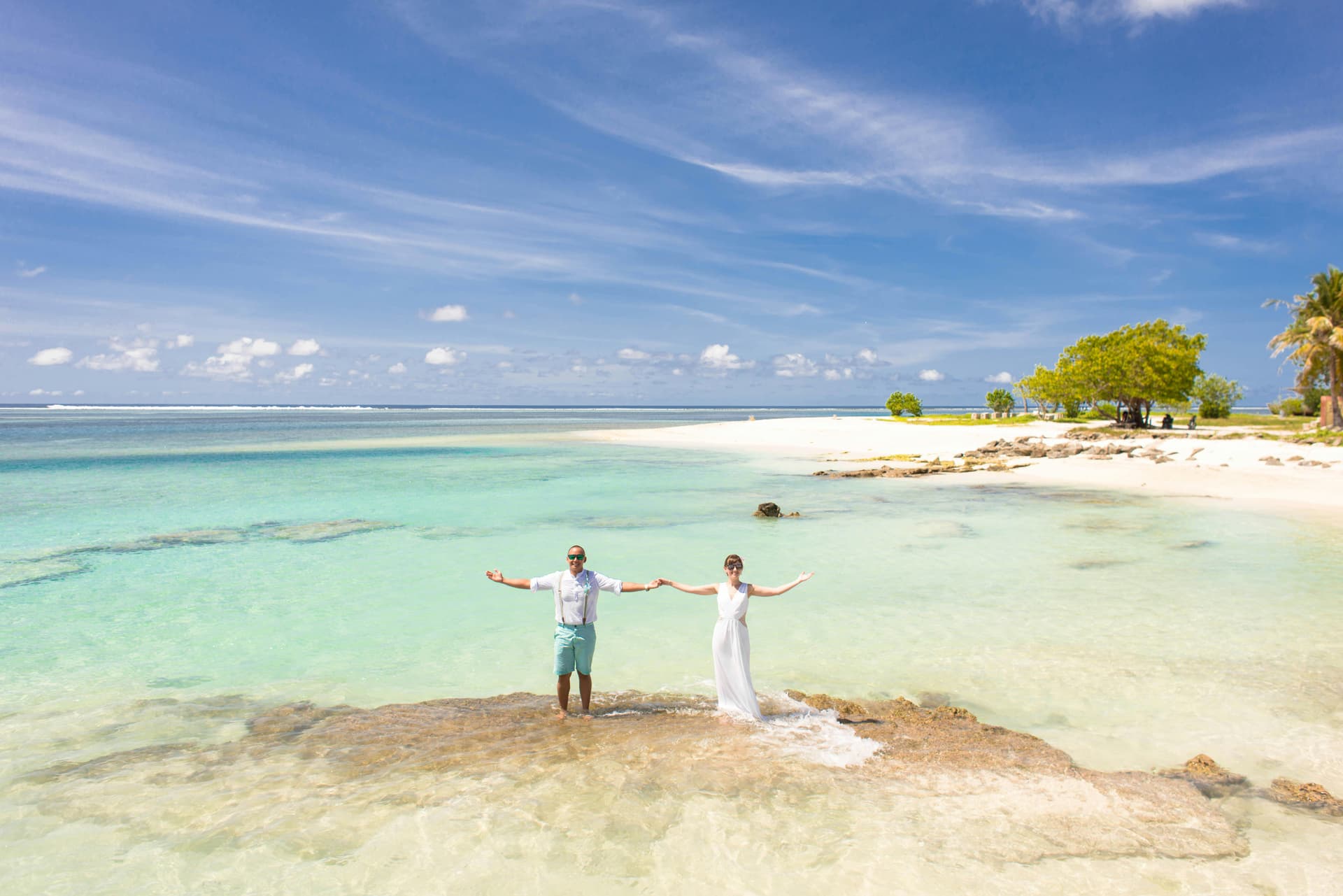
Here are some reasons why Andaman and Nicobar Islands are a perfect spot for you honeymoon