Culture
Brewing Trails - A walk through the coffee plantations in Kodaikanal
4 mins 21 secs
23rd May 2024
 by Shethana P
The Coffee Plantations in Kodaikanal
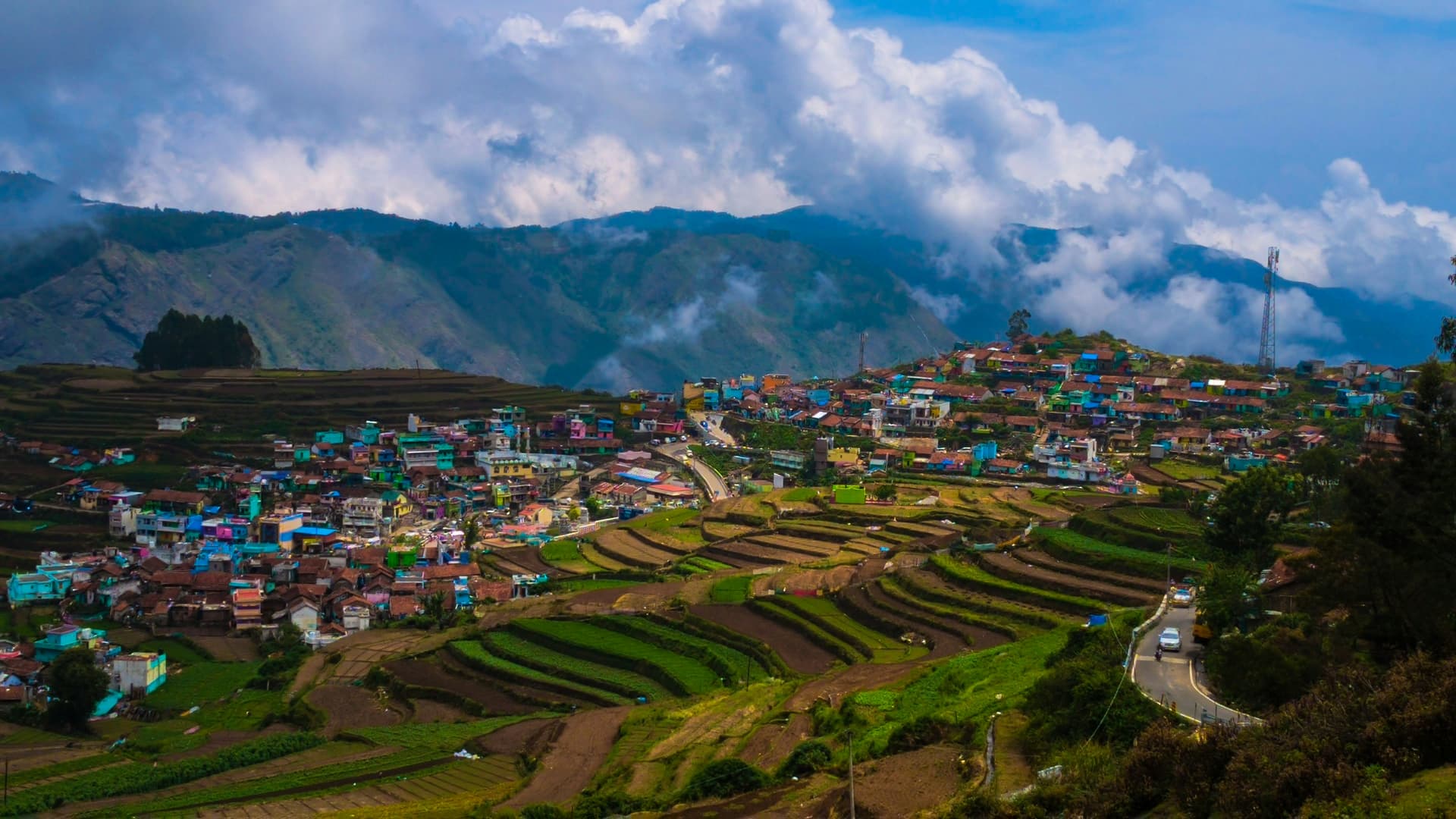
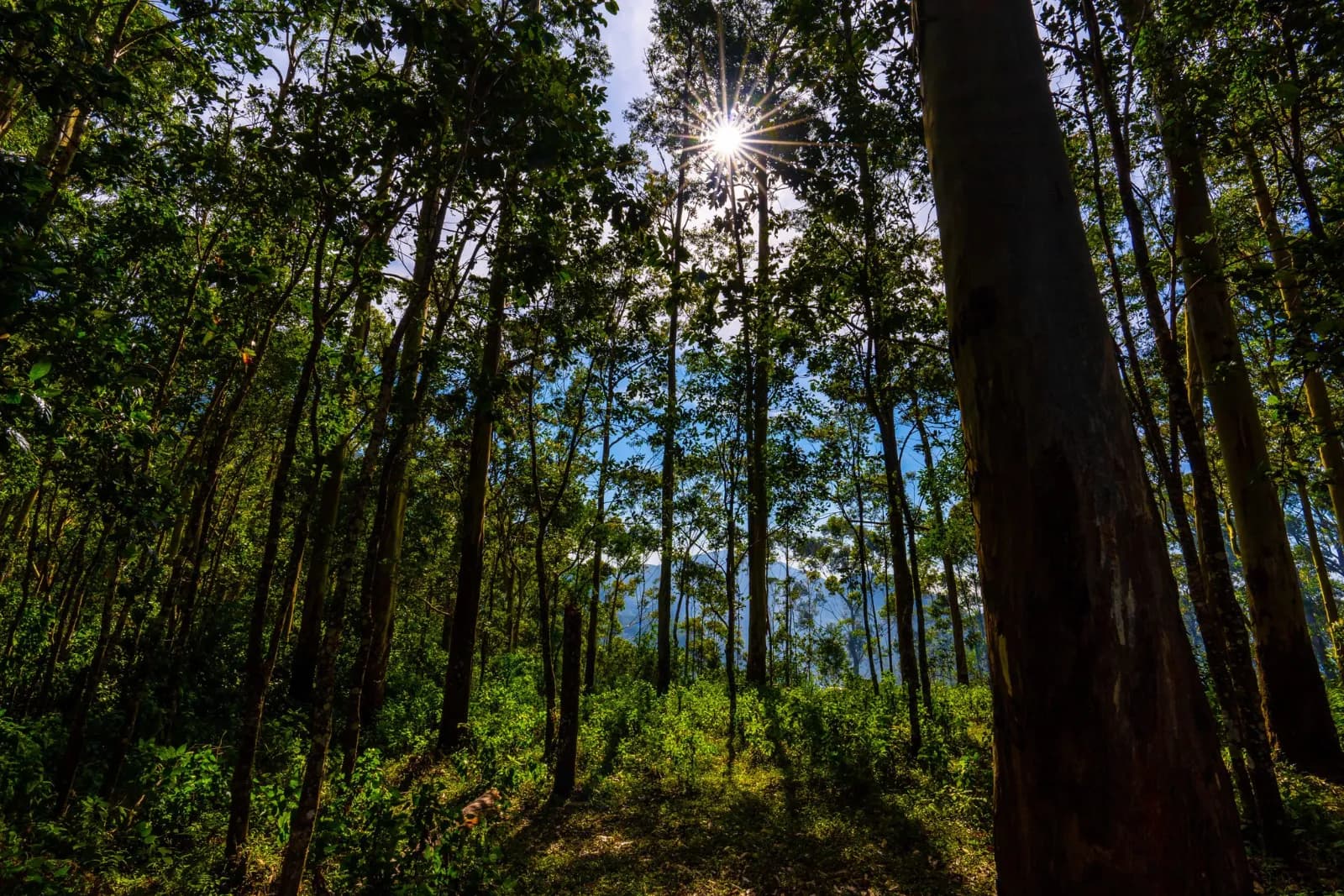
Kodaikanal, often called the ‘Princess of Hills,’ is renowned for its natural beauty and misty landscapes. Among its many attractions, the coffee plantations stand out, offering a unique sensory experience. The organic Arabica beans grown here are celebrated for their delicate, complex flavors, free from pesticides. This distinct coffee, characterized by floral, fruity, or chocolatey notes, is a testament to the dedication of Kodai’s farmers, who carefully harvest the beans to ensure quality. Kodaikanal coffee offers more than just a beverage; it’s an immersive experience, combining the taste of premium Arabica with the picturesque scenery of the hills. Visitors can savor this unique brew while exploring the lush plantations, making it a must-try for coffee enthusiasts.
Greetings from Kodai coffee lover

women holding a coffee cup and book - Courtesy of Photographer
How did you land on this page? Probably you googled ‘Kodaikanal coffee planation’ or ‘Coffee Lover’ or ‘Coffee’ to see if there is a page talking about caffeine addicts wandering on the hills of Kodaikanal following the aromas of coffee plantations. Well, this page never disappoints you, I recommend you read this article along with a coffee cup, or coffee mug preferably!
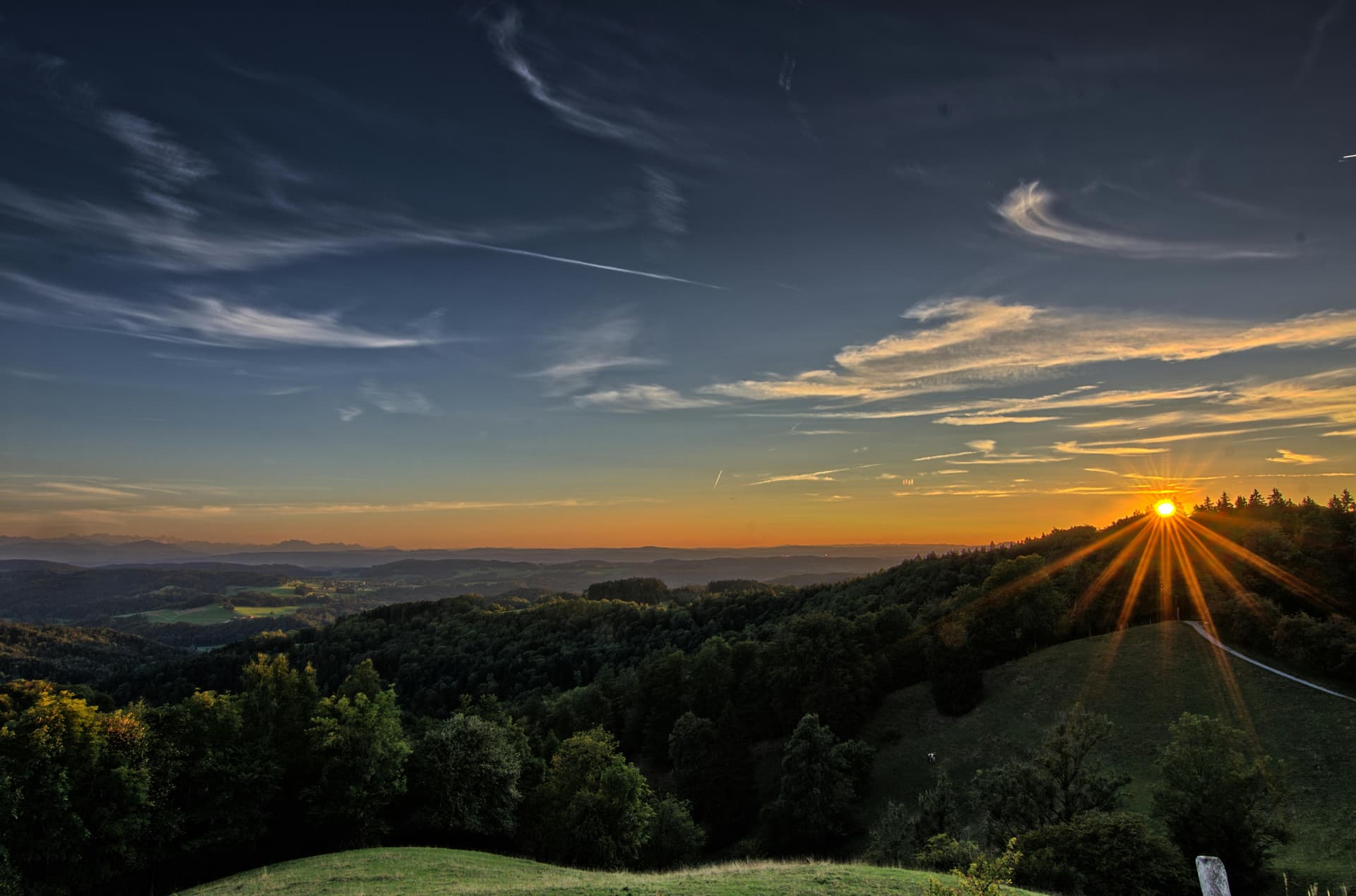
Kodaikanal is known as the ‘Princess of Hills’ due to its gigantic rock formation and immense natural beauty, misty clouds, and settling temperature, all these are the visual effects of kodai. What about the auditory effect? This is compensated by the aromatic coffee plantations grown on the steep as you walk through the trails. The specialty of Kodai coffee is, that it’s grown organically without using pesticides, and the beans are brewed to give the raw, sour-flavored coffee. To understand how Kodaikanal coffee differs from the cups served in cities, you must continue holding on to this page.
Coffee beans in Kodaikanal - Arabica
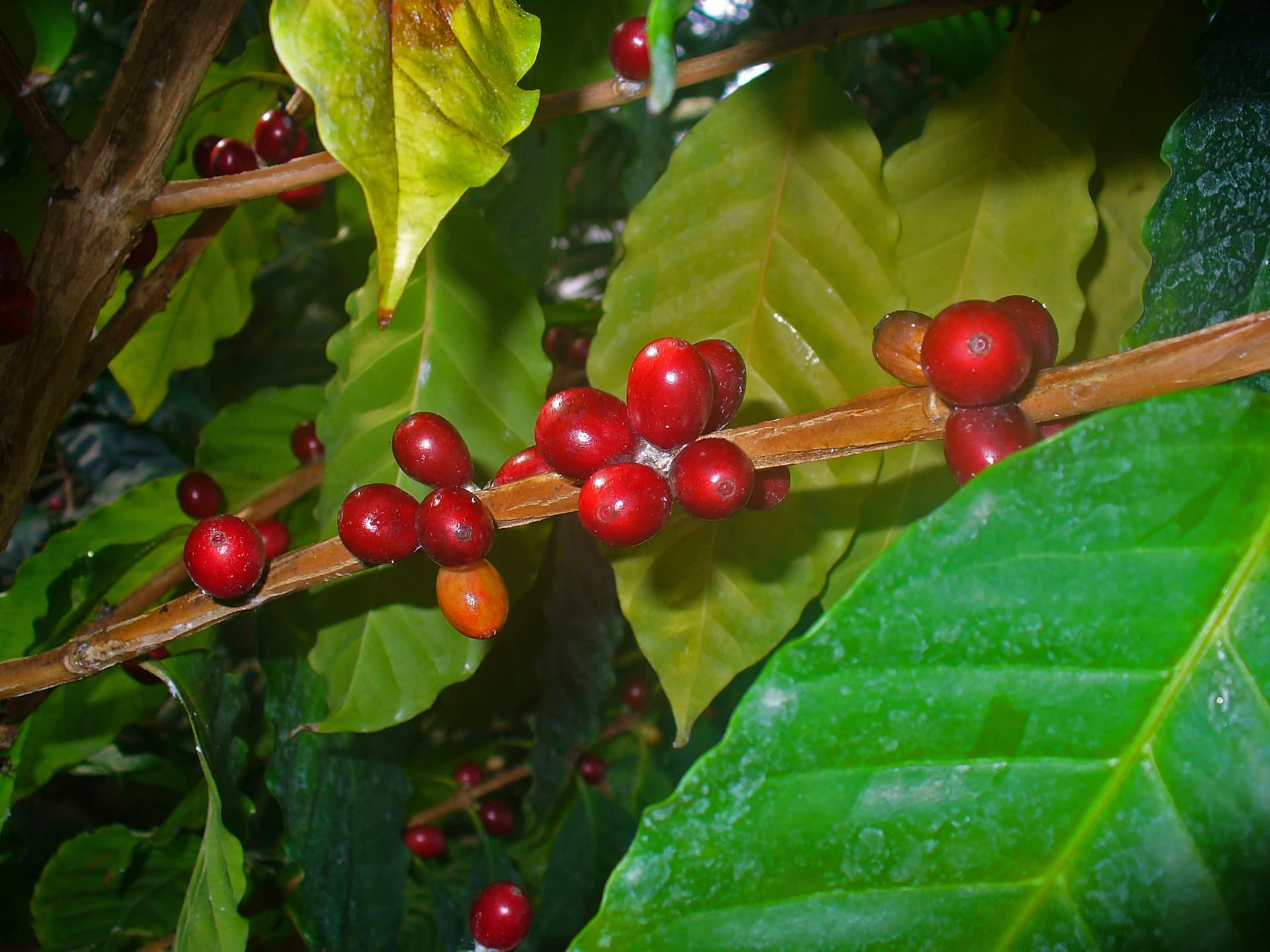
Arabica coffee plant - Courtesy of Photographer
There are four major types of coffee beans - Arabica, Robusta, Excelsa, and Lebrica while most of the coffee bean grown in India falls under the category of ‘Arabica’ due to the geographical settings. This coffee bean is known for its delicate and complex flavor profile, often described as smooth, aromatic, and with nuanced acidity. They may exhibit floral, fruity, or chocolatey notes, depending on factors like the region of cultivation and processing methods. Arabica coffee is native to the highlands of Ethiopia and is cultivated in different areas around the world, including Latin America, Africa, and Asia. This coffee bean grows in higher altitudes with mild temperatures and maximum rainfall in a year. The caffeine content in Arabica is less compared to Robusta and suitable for those sensitive to caffeine.
Kodai Coffee Farmers
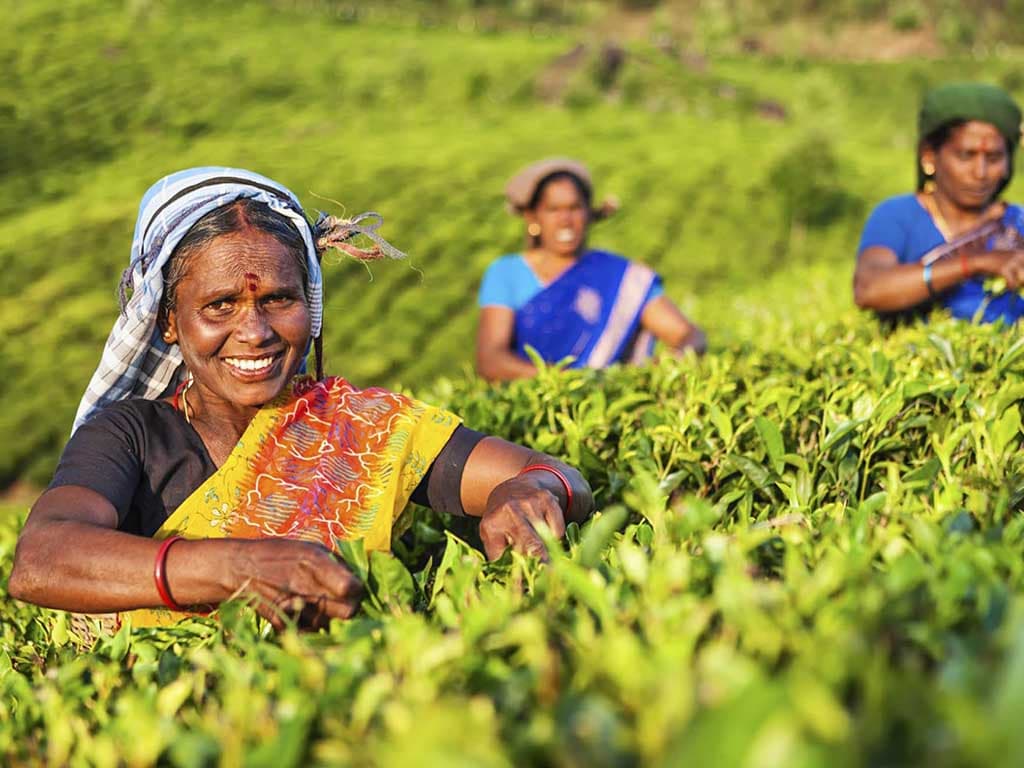
Women farmer in kodaikanal coffee - Courtesy of Photographer
The reason behind all the fresh coffee seeds, properly roasted beans, and aromatic coffee is the Kodai coffee farmers. They maintain a schedule to harvest based on the type of bean. Arabica is scheduled to pick during December and January while Robusta is picked in February and March. Framers also emphasized not using pesticides or fertilizer to improve crop yield, but the upcoming climatic conditions and environmental changes they are forced to initiate using these chemicals to a certain extent.
Coffee farmers are currently coming up with new strategies to safeguard our coffee.
One among them has incorporated the idea of tuning the structure of coffee beans from a normal oval shape to a slightly parabola-like structure that prevents the bean from getting rotten during heavy rains. Sometimes it is also noticed that there are long rains during winter which makes it difficult for the farmers to harvest.
The Kodai coffee farmers get amazing feedback from coffee lovers narrating their experience with the coffee beans grown in Kodaikanal. Here is a scene, where a customer calls up and says - ‘Hey I felt the taste of pine and maple syrup from the coffee beans grown on your farm, it took me to the towns and cafes in America and Europe.

Leave the planning to a local expert
The OG Coffee plantation
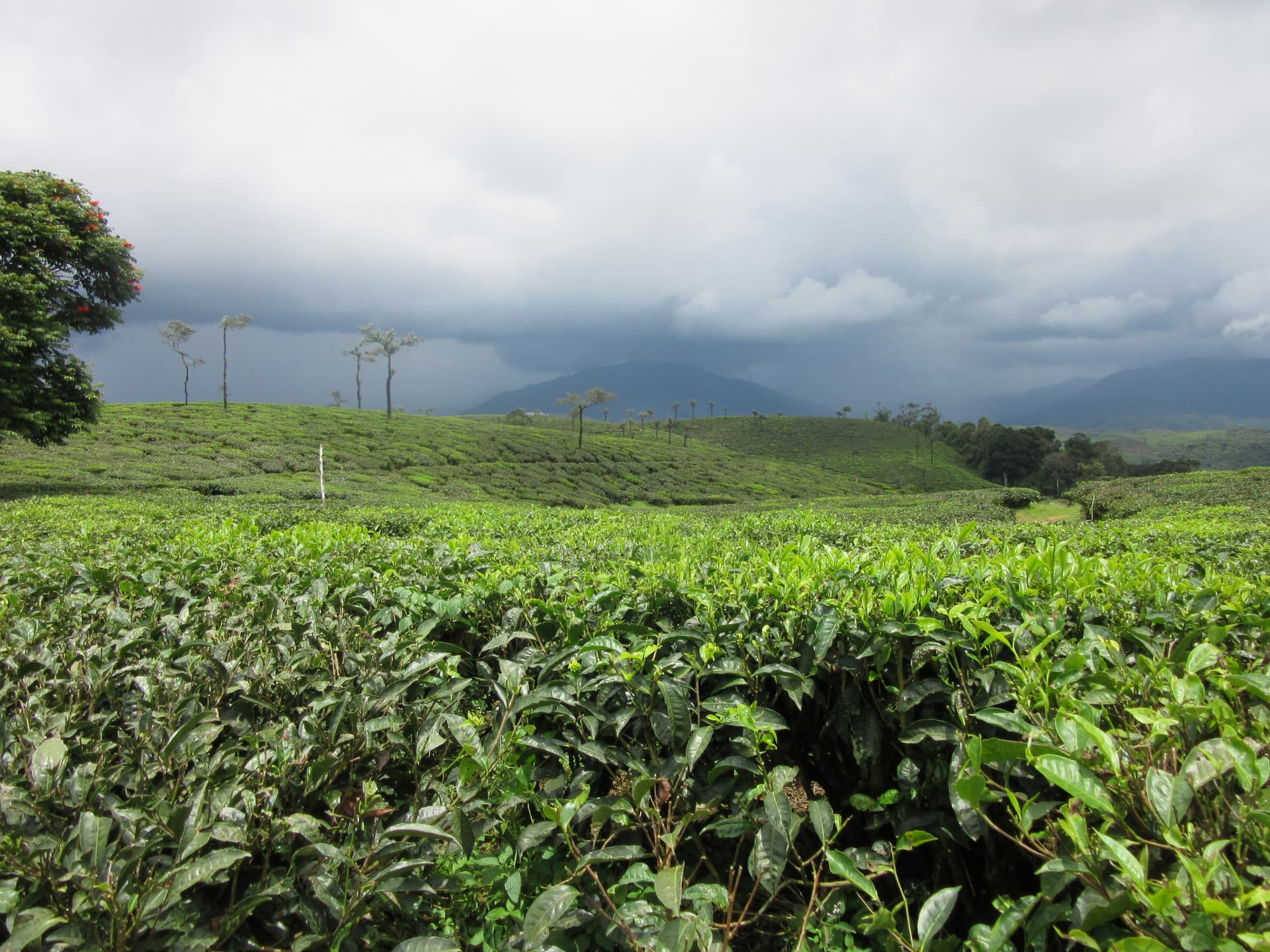
Coffee plantation in Kodaikanal - Courtesy of Photographer
If your coffee cup is empty, then refill it to continue reading!
Coffee is more than a beverage now in India, though serving hot coffee is not the tradition followed by Indians in the 80s. Our tradition was to serve a glass of water, and a healthy quashed fruit drink for the visitors but coffee was introduced to Indians by - Sufi Monk Baba who visited India from Mocha and he planted the seeds in places like Chikkamagaluru, Coorg, and Kodaikanal, marking the beginning of coffee cultivation in India.
Earlier coffee stimulated sophisticated discussions among the Mughal Empire qahwahkhanas, or coffee shops. Under British administration, it started to be widely grown after 1840. For some time, coffee was only served at posh clubs in Madras, Bangalore, and Calcutta, to an exclusive clientele. As time went on, coffee's allure became more irresistible, making its way into the hands of regular people.
Bottoms Up!
It’s time to slurp the last sip of your coffee! As Indians especially South Indians, coffee has become a meet and greet of our culture. The Kodai coffee stands out to be organic and aromatic when compared to beans grown in other regions of India. Well, the characteristics feature of the coffee strongly depend on the framers, cultivation practices, harvesting procedures, and roasting process. Overall the Kodaikanal coffee plantations give you more than what you expect, both visually and aromatically. Enjoy the taste of coffee beans with the pleasant scenery in Kodaikanal and bag a few packets of coffee powder to your home, carrying all the wellness of Kodai Coffee.