Agrasen Ki Baoli
Overview
Located in the centre of New Delhi, Agrasen Ki Baoli, also called Ugrasen Ki Baoli, is a historic stepwell. Built in the fourteenth century, this historic landmark is a remarkable illustration of the mediaeval era's mechanical prowess and inventiveness in architecture.
Label: Off beat
How to reach: Bike, bus, taxi, auto
Timings: 7:00 AM to 6:00 PM
Time Required: 1-2 hours
Entry Fee: Free
Key Features
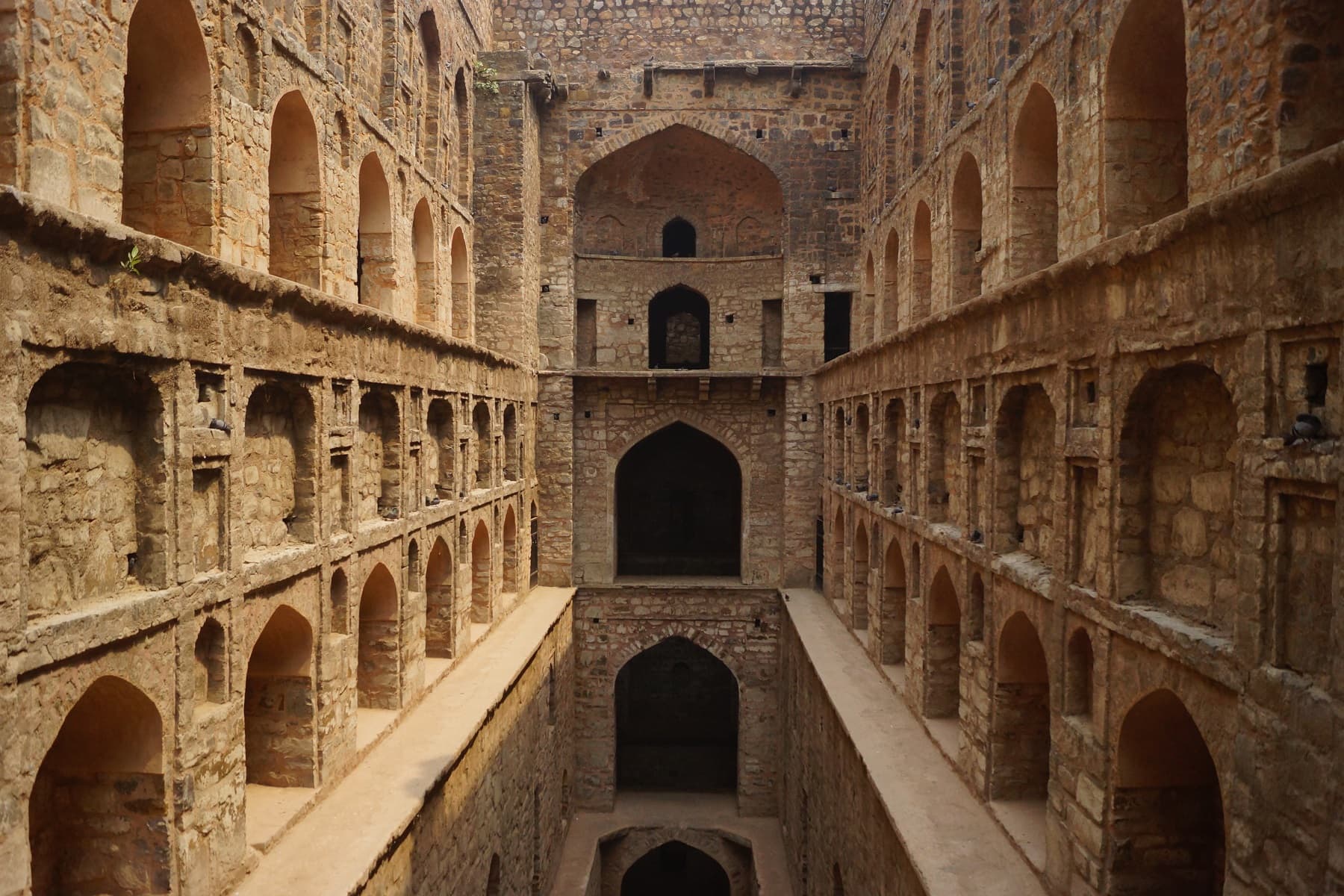
Architectural Highlights:
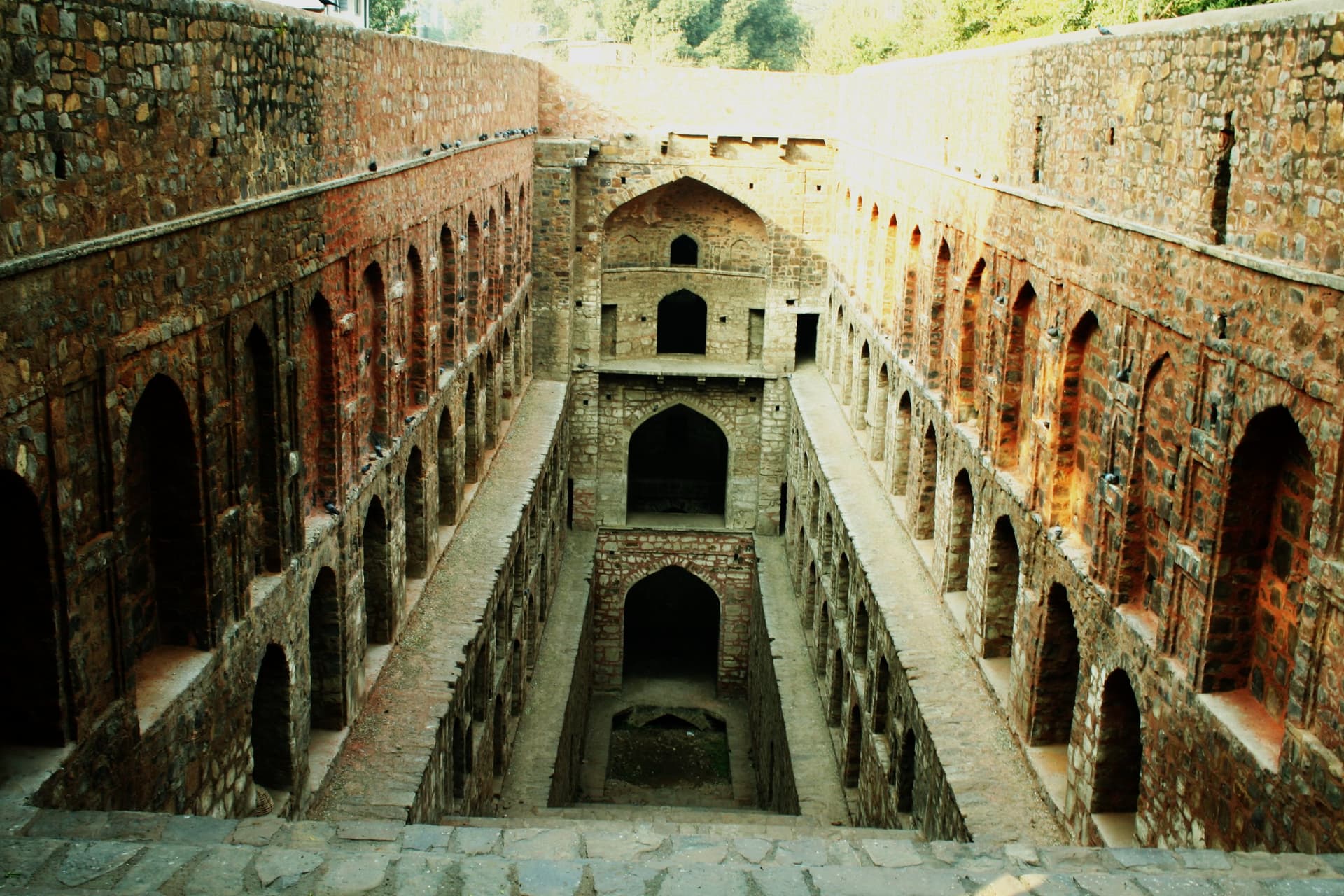
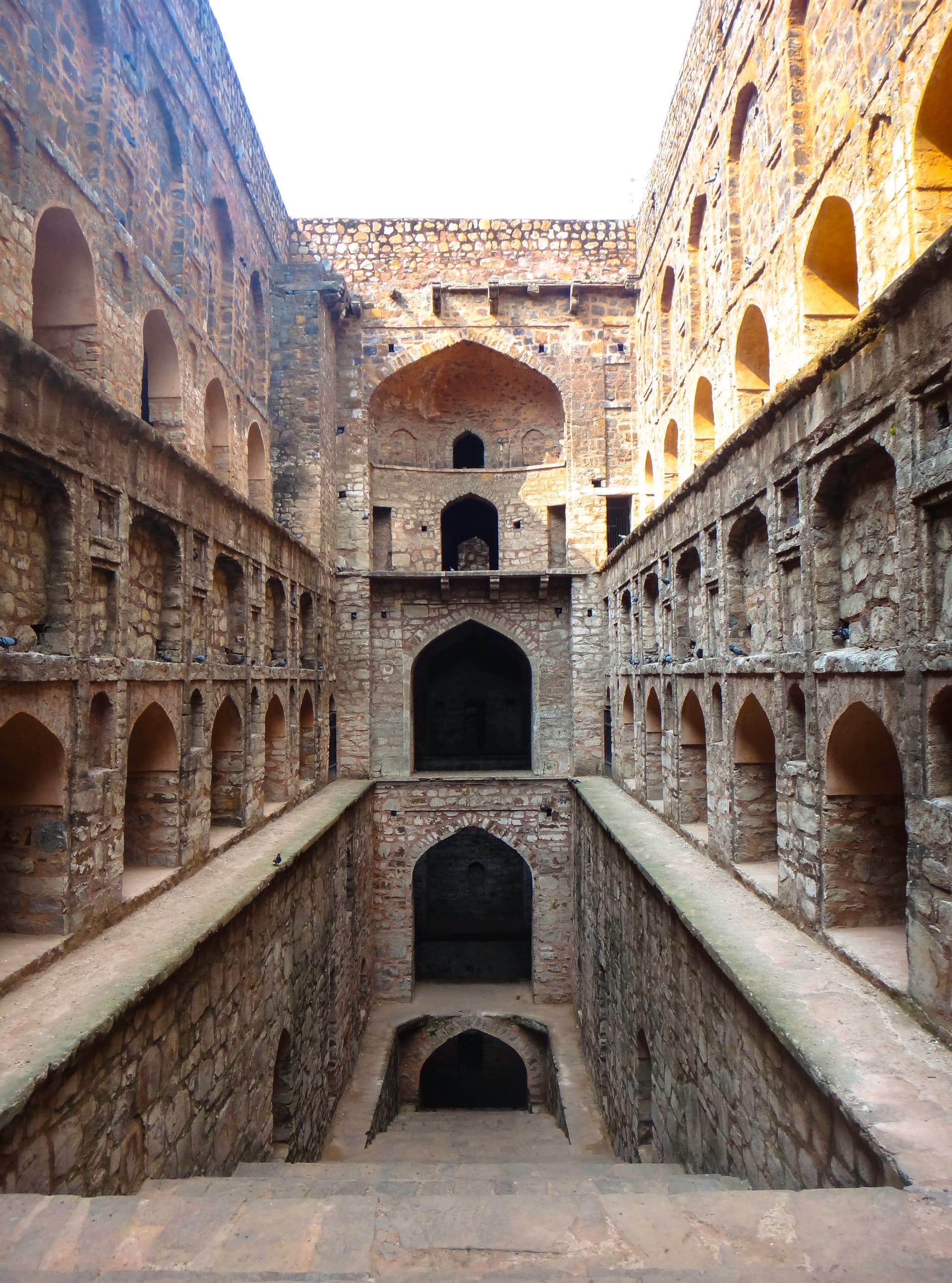
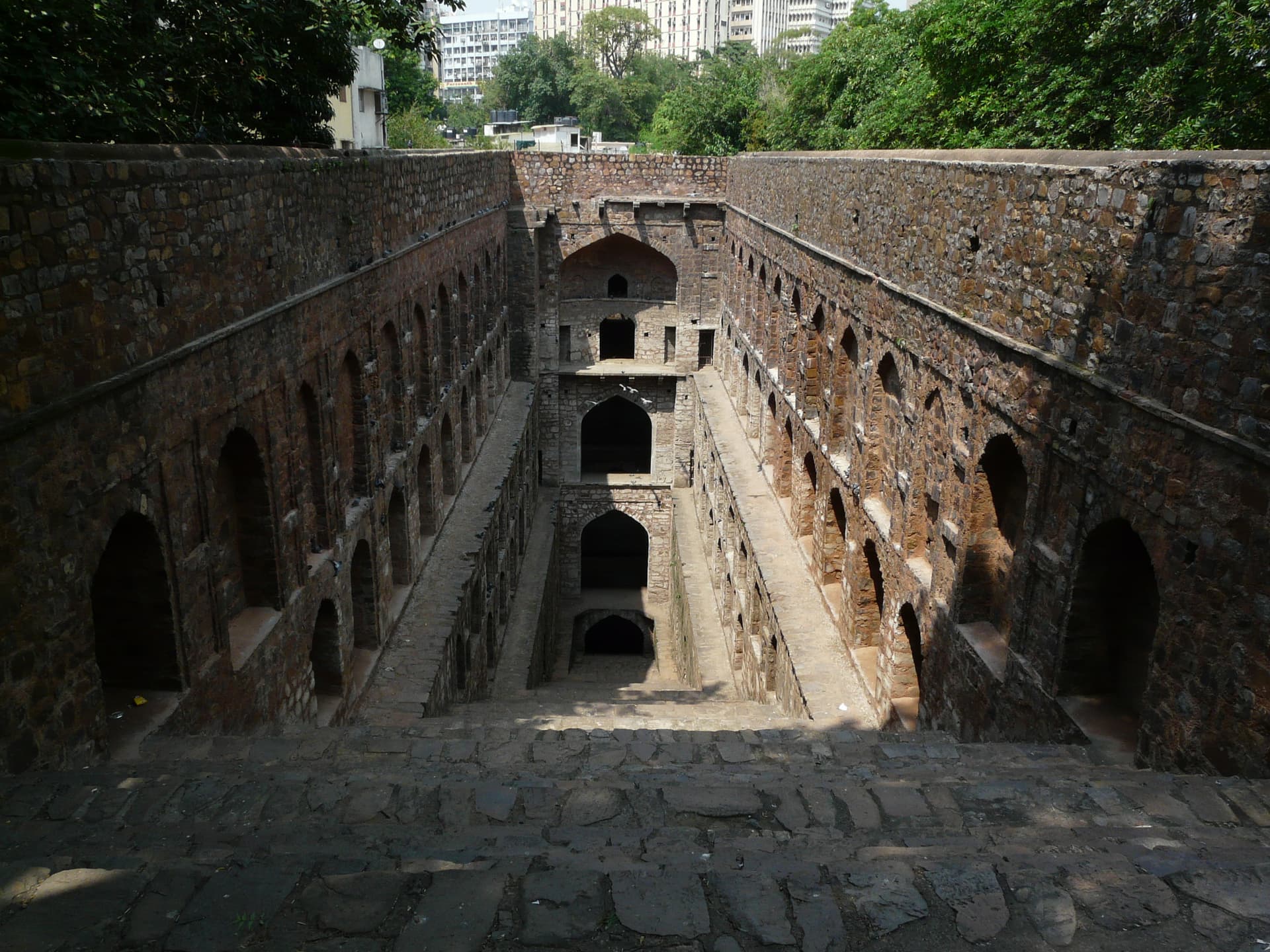
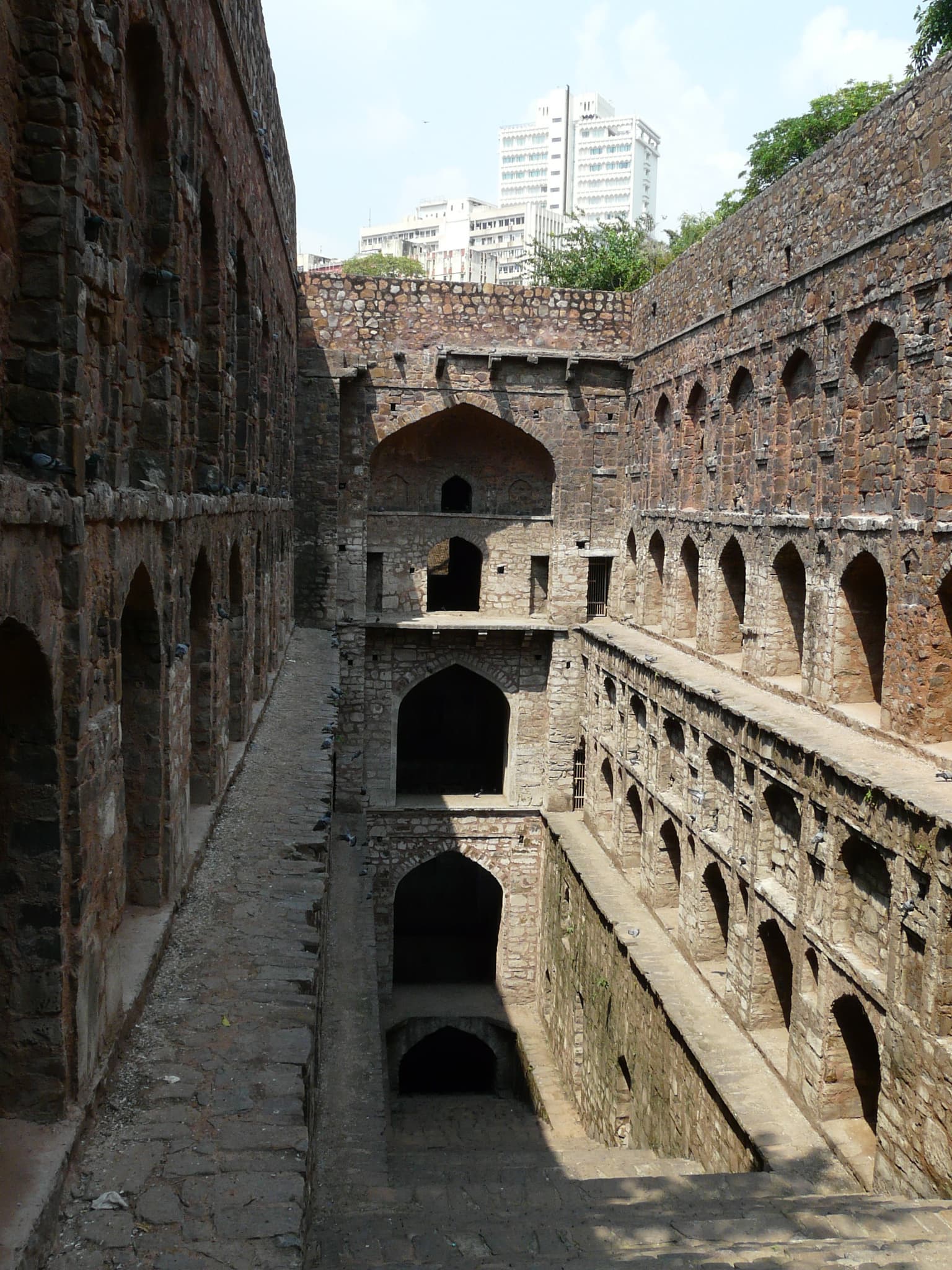
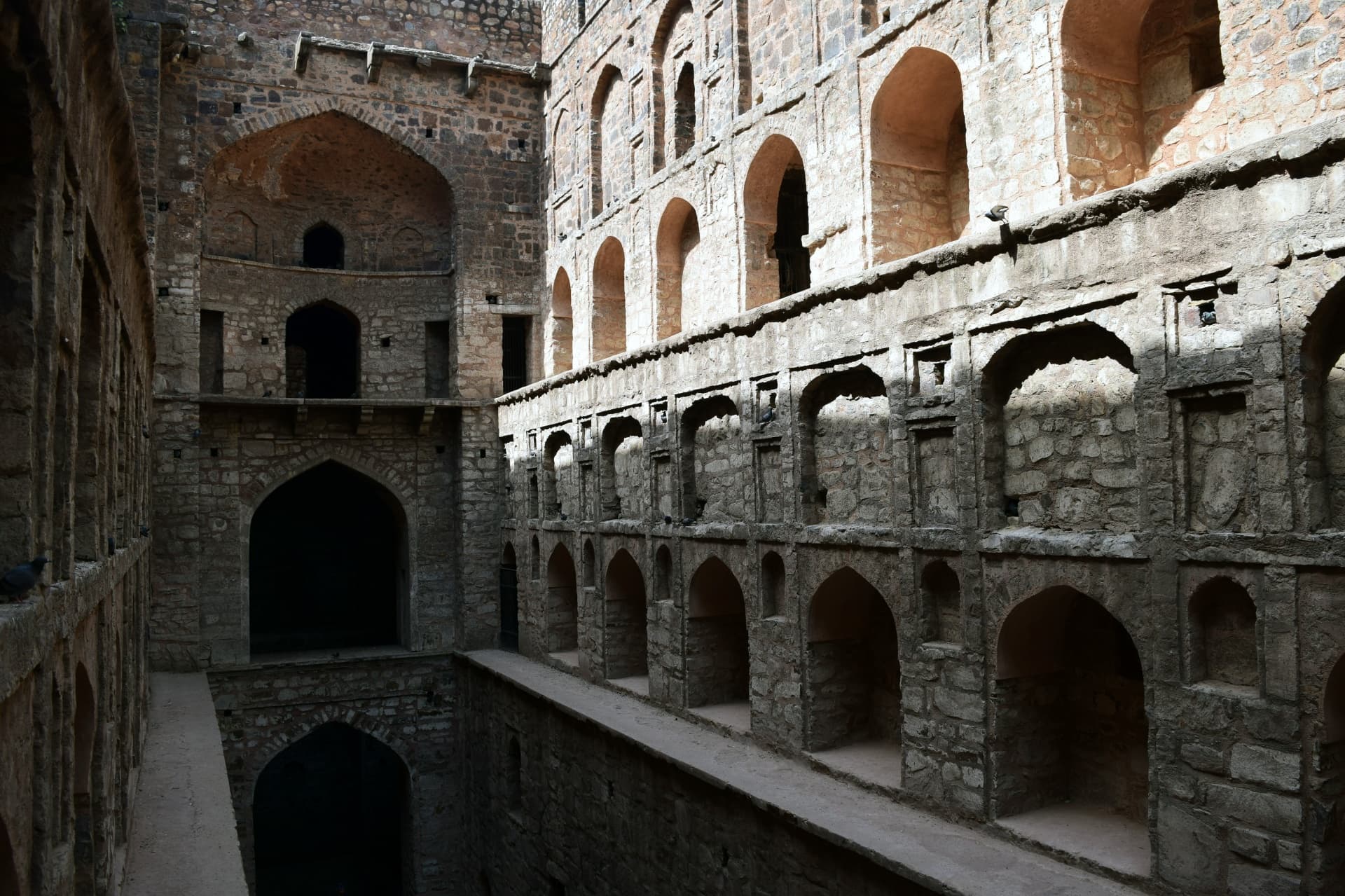
- Stepwell Structure: Agrasen Ki Baoli is renowned for its grand stepwell design, featuring a series of steps leading down to a water reservoir. The baoli, or stepwell, is characterized by its vertical construction with multiple levels of steps and platforms.
- Architectural Elements: The baoli is constructed using red sandstone and features intricate carvings and ornamental details. The arches, columns, and decorative elements reflect the architectural style of the time.
- Historical Significance: Although attributed to the legendary king Agrasen, the current structure is believed to have been rebuilt during the Tughlaq dynasty. The stepwell served as a vital water source, especially in arid conditions, and also provided a cool retreat during the hot summer months.
Unique Features:
- Three Stories: The stepwell comprises three levels of steps, with each level slightly smaller than the one above it. The design allowed for easy access to water and provided a space for social gatherings.
- Cultural Significance: Agrasen Ki Baoli holds cultural and historical significance, reflecting the advanced hydraulic engineering of medieval India.
Nearby Attractions
India Gate:
- War Memorial: Approximately 4 kilometers from Agrasen Ki Baoli, India Gate is a prominent landmark dedicated to soldiers who died in World War I. It is a popular spot for visitors and offers a picturesque setting, especially in the evening.
Jama Masjid:
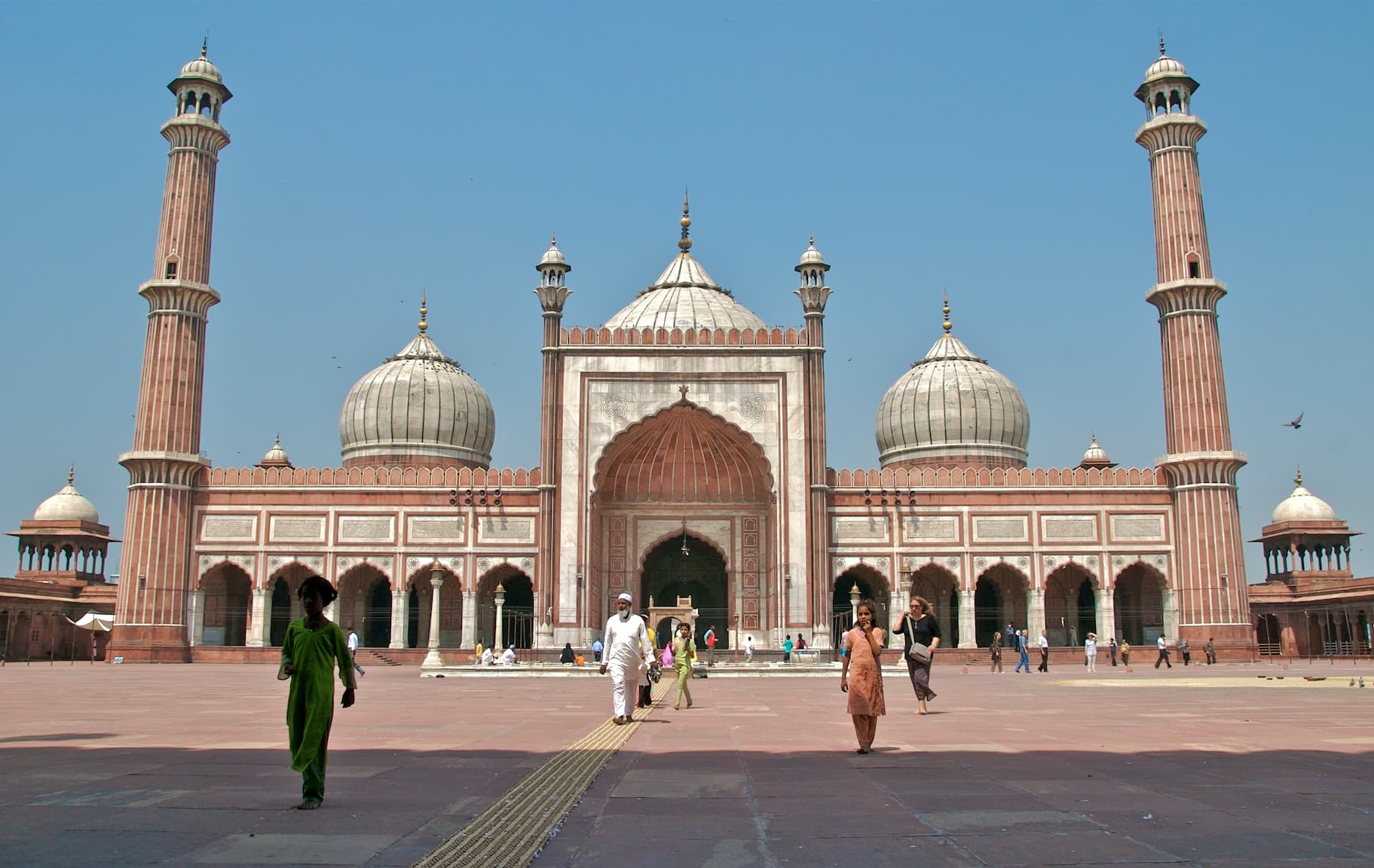
- Historical Mosque: Located around 3 kilometers away, Jama Masjid is one of the largest mosques in India. Built by Mughal Emperor Shah Jahan, it is an architectural marvel and a major religious site.
Red Fort:
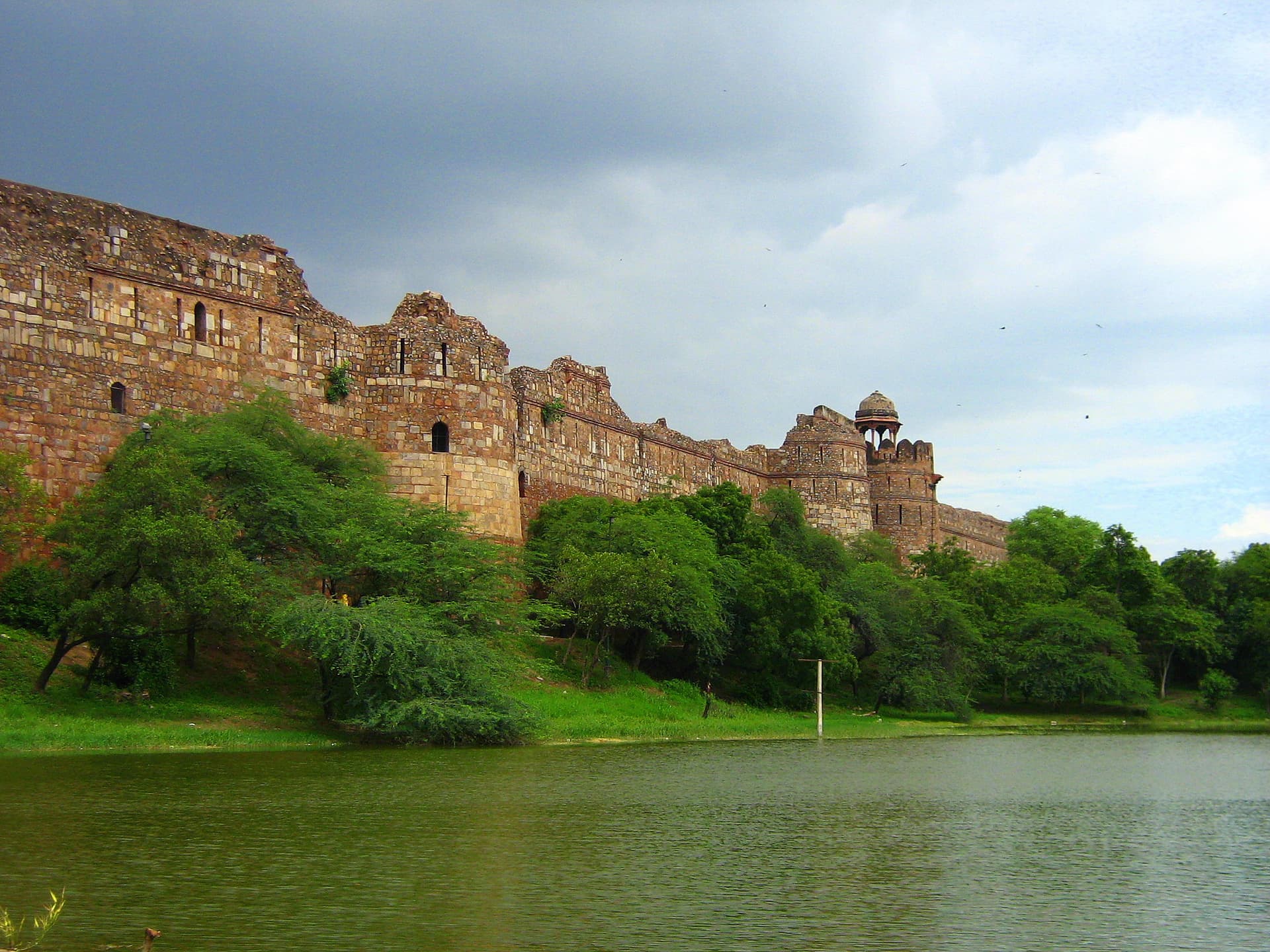
- Mughal Fortress: About 5 kilometers from Agrasen Ki Baoli, the Red Fort is a UNESCO World Heritage Site and a symbol of Mughal power. The fort’s imposing walls and historic significance make it a must-visit landmark.
Raj Ghat:
- Gandhi Memorial: Situated around 6 kilometers away, Raj Ghat is the memorial dedicated to Mahatma Gandhi, marking the spot where he was cremated. It is a serene and significant site in Indian history.
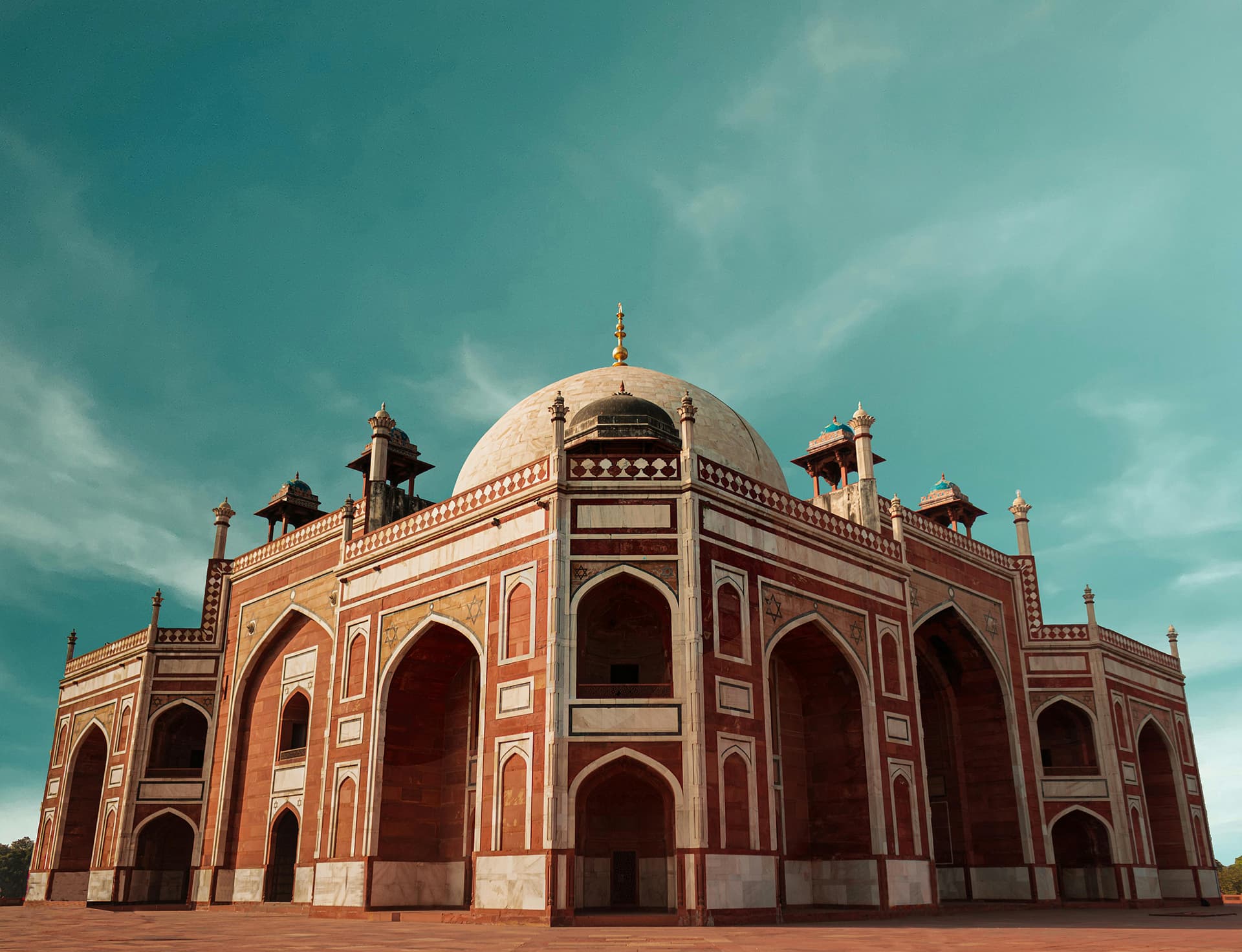
Humayun’s Tomb:
- Mughal Architecture: Located approximately 7 kilometers from Agrasen Ki Baoli, Humayun’s Tomb is a UNESCO World Heritage Site and a precursor to the Taj Mahal. It showcases Mughal architecture and is surrounded by beautiful gardens.
Best Time to Visit
The best time to visit Agrasen Ki Baoli is from October to March. During these months, the weather in New Delhi is cooler and more pleasant, with temperatures ranging from 15°C to 25°C. This period is ideal for exploring outdoor attractions and avoiding the intense heat of the summer months.
Visiting Hours: Agrasen Ki Baoli is open daily from sunrise to sunset. It is advisable to visit in the morning or late afternoon to enjoy the site in comfortable temperatures with optimal lighting for photography.

Leave the planning to a local expert
Conclusion
Agrasen Ki Baoli is a captivating historical monument that offers a glimpse into the architectural and engineering prowess of medieval India. Its unique stepwell design, combined with its historical significance, makes it a valuable addition to any exploration of New Delhi’s heritage.
Whether you are a history enthusiast, an architecture aficionado, or simply curious about India’s past, Agrasen Ki Baoli provides a memorable and enriching experience. Its timeless charm and historical depth ensure that it remains a significant attraction in New Delhi, offering visitors a unique insight into the city’s architectural and cultural heritage.