Jantar Mantar, New Delhi
Overview
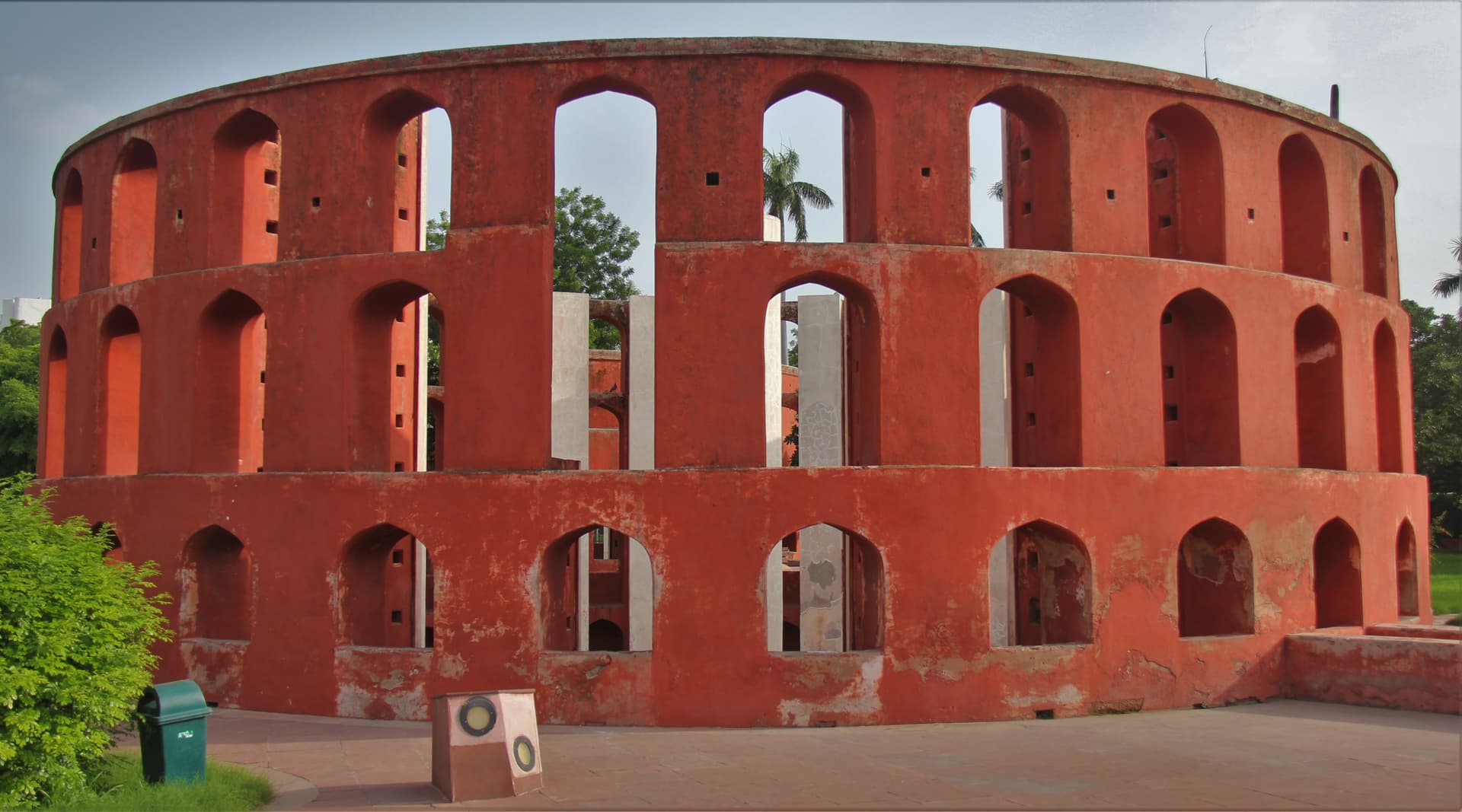
Jantar Mantar, located in the heart of New Delhi, is an astronomical observatory built during the 18th century by Maharaja Jai Singh II of Jaipur. It stands as a testament to the scientific achievements of the time and is an essential part of India's rich historical and scientific heritage.
Label: Must visit
How to reach: Bike, bus, taxi, auto
Timings: 6:00 AM to 6:00 PM
Time Required: 2 hours
Entry Fee: INR 25 for Indians and INR 300 for Foreigners
Key Features
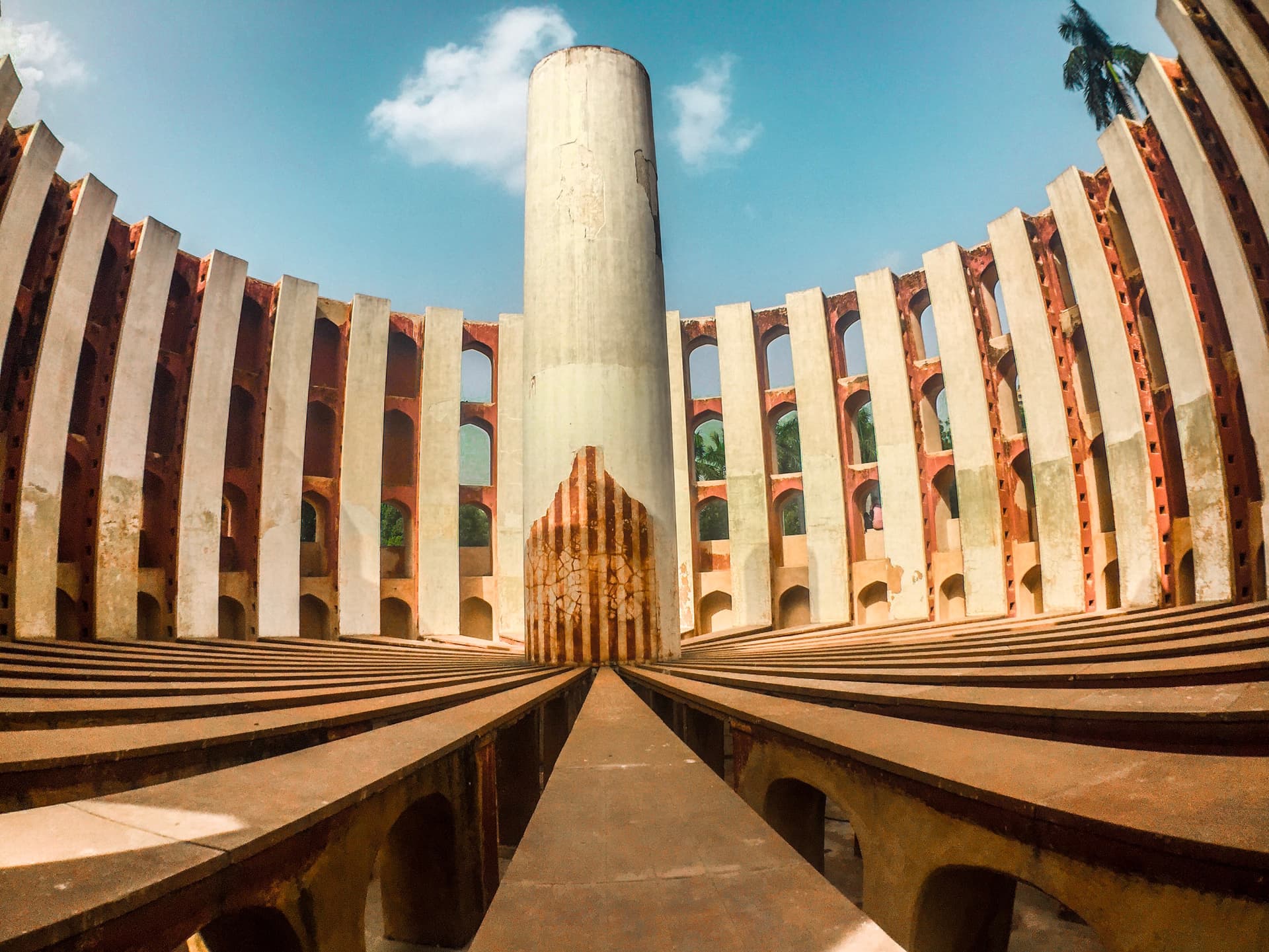
Architectural and Scientific Marvels:
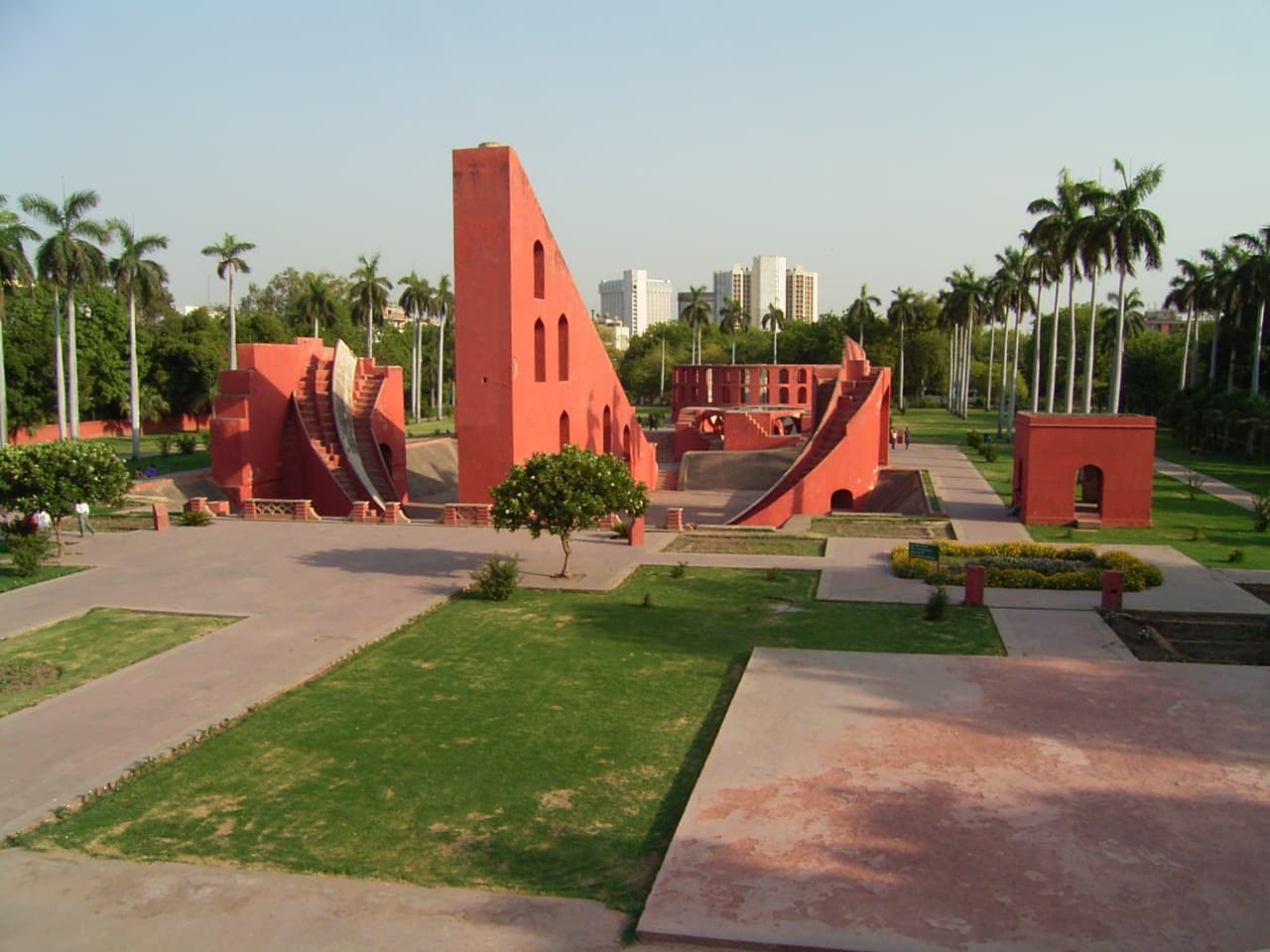
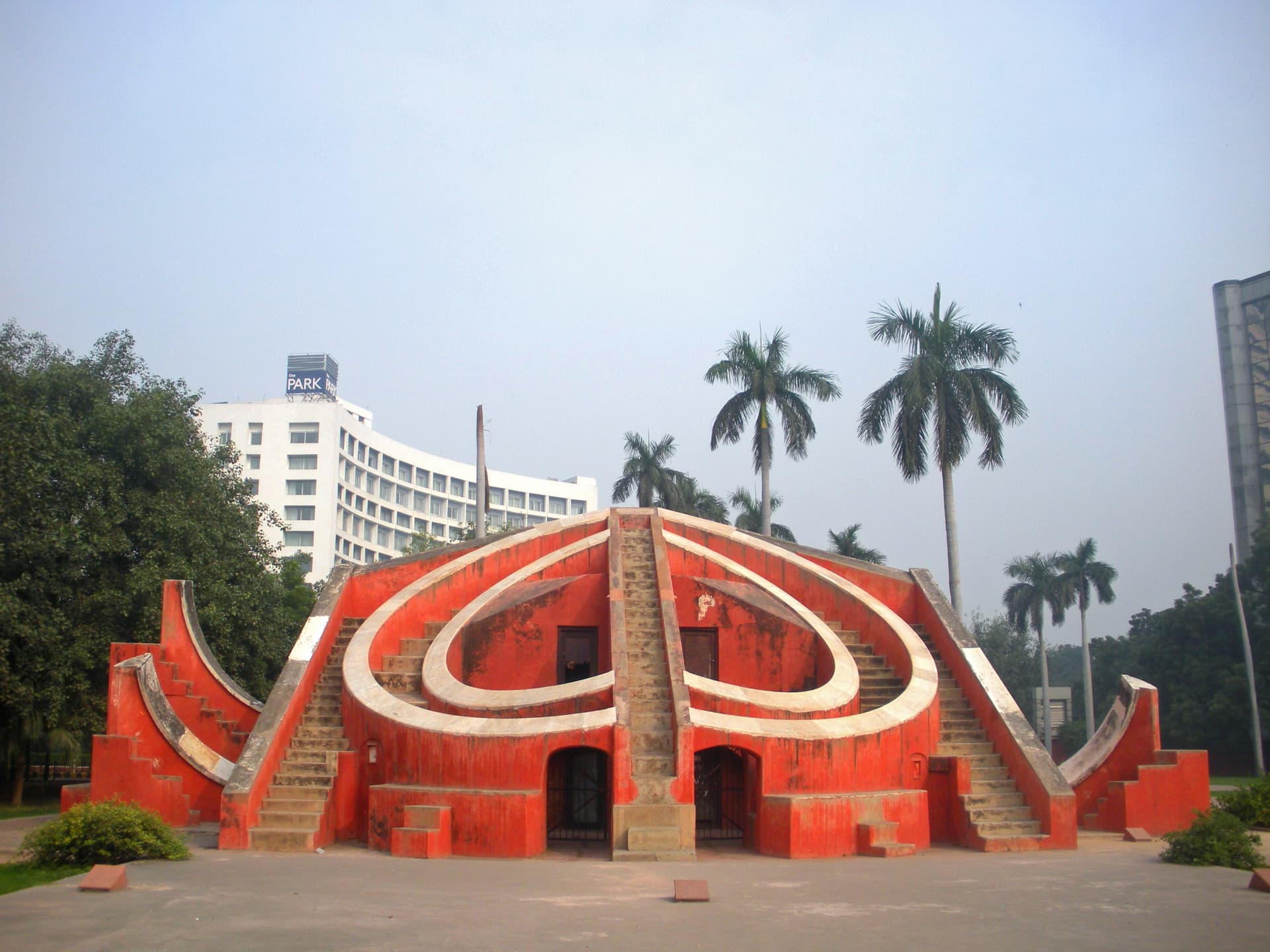
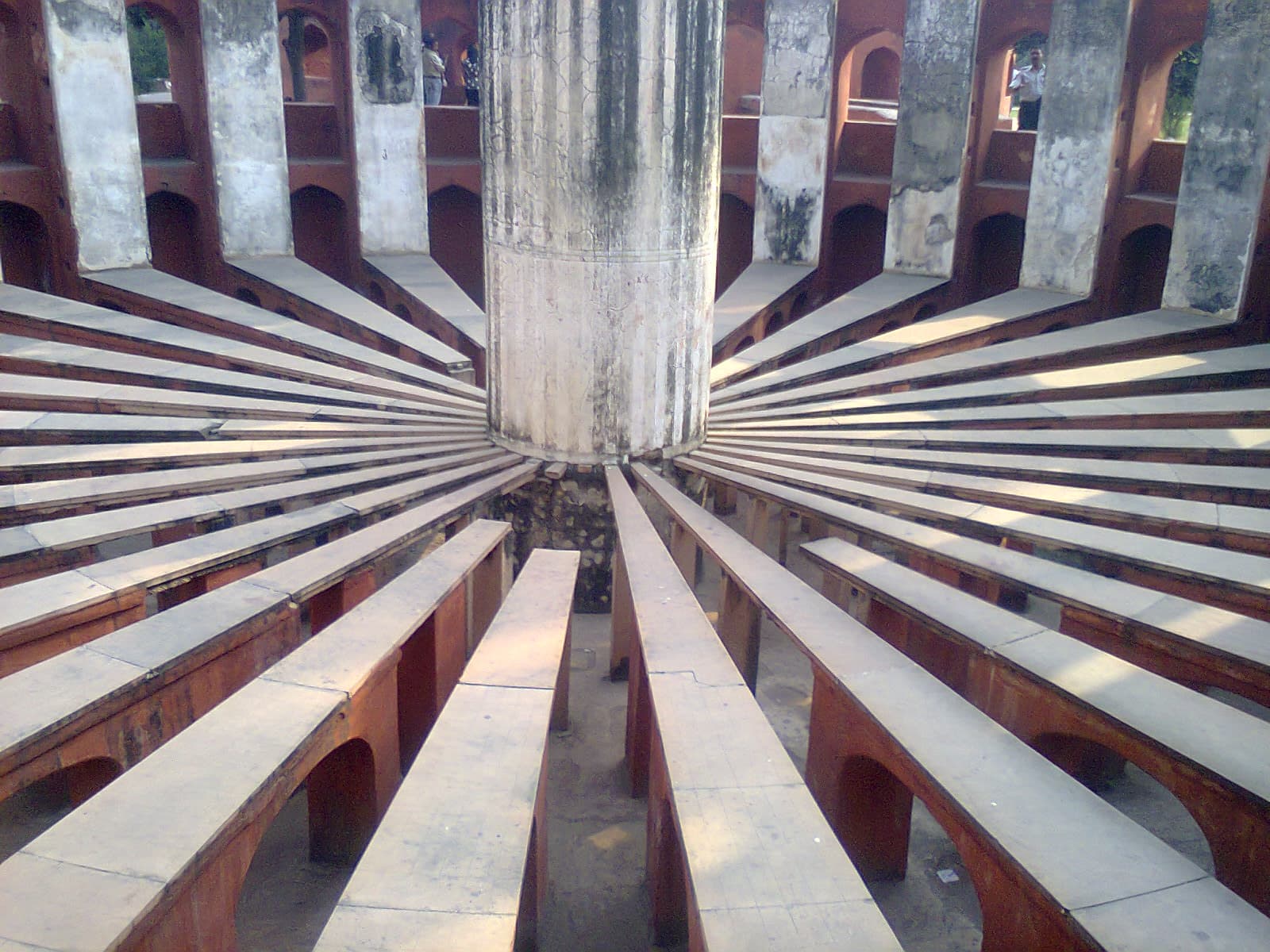
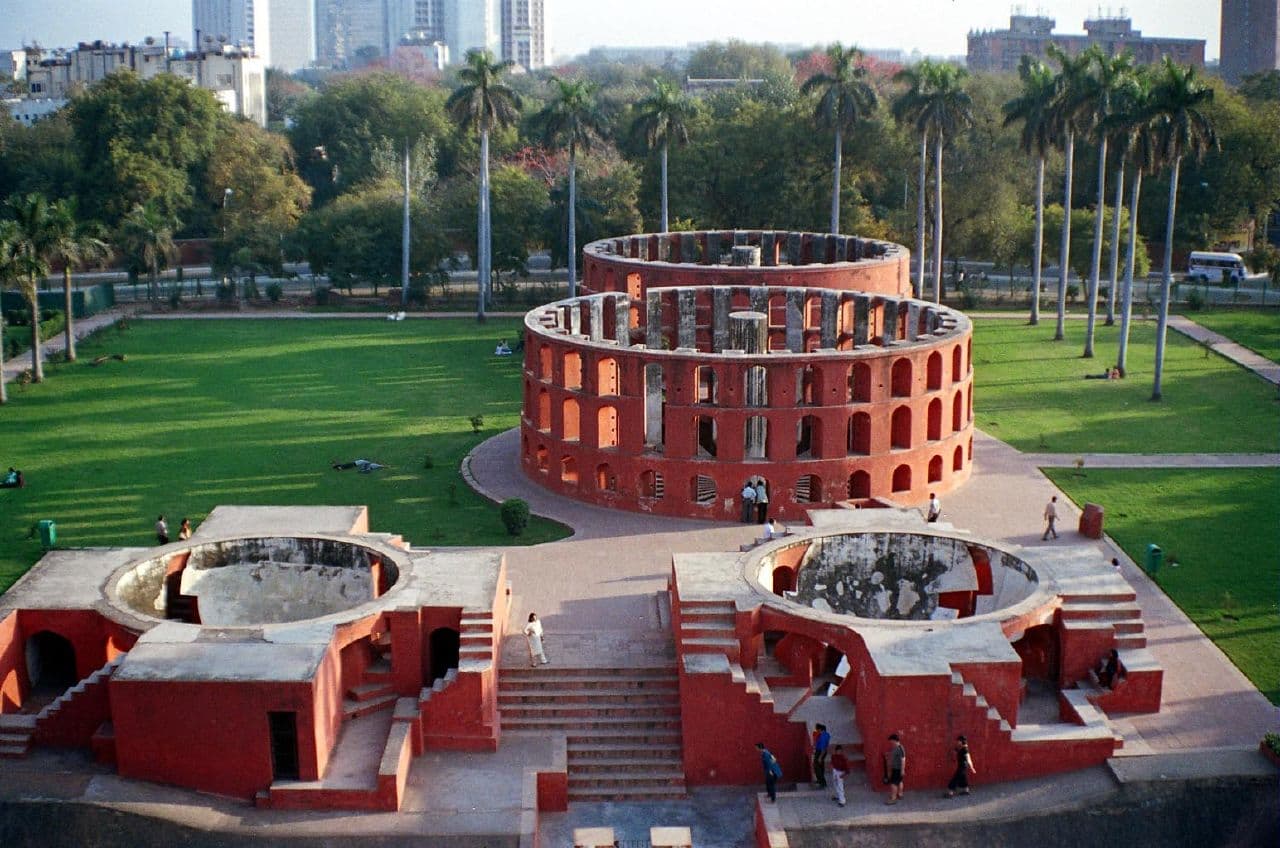
- Instruments and Structures: The observatory features several large instruments designed to observe celestial events. These include the Samrat Yantra (a massive sundial), the Jai Prakash Yantra (a set of concave hemispherical structures), and the Rashtrapati Yantra (a complex instrument for measuring the altitude of celestial bodies).
- Samrat Yantra: This giant sundial is one of the largest in the world, standing at 27 meters high. It is used to measure time with remarkable accuracy and is an excellent example of astronomical engineering.
- Jai Prakash Yantra: This instrument consists of two large hemispherical structures that help determine the position of celestial bodies. Its unique design allows observers to see the alignment of celestial objects.
Historical Significance: Jantar Mantar was constructed to advance the study of astronomy and improve the accuracy of celestial measurements. Maharaja Jai Singh II, who was deeply interested in astronomy, commissioned the observatory to study the stars and planets more precisely.
Nearby Attractions

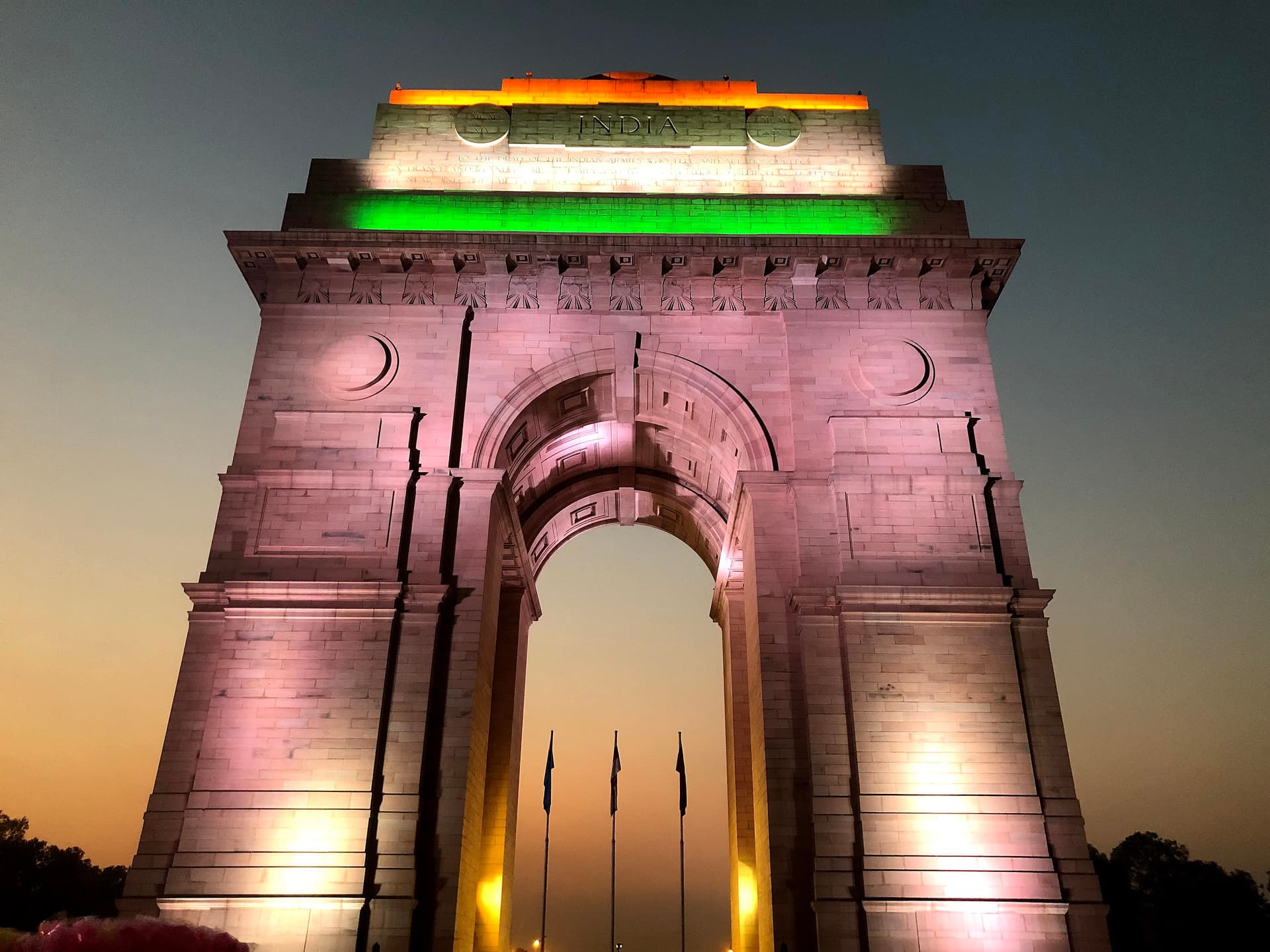
India Gate:
- Iconic Landmark: Located about 4 kilometers from Jantar Mantar, India Gate is a prominent war memorial dedicated to soldiers who died in World War I. Its grand arch and surrounding gardens are popular spots for visitors.
Rashtrapati Bhavan:
- Presidential Residence: Approximately 3 kilometers away, Rashtrapati Bhavan is the official residence of the President of India. The architectural marvel and its expansive gardens are a significant attraction.
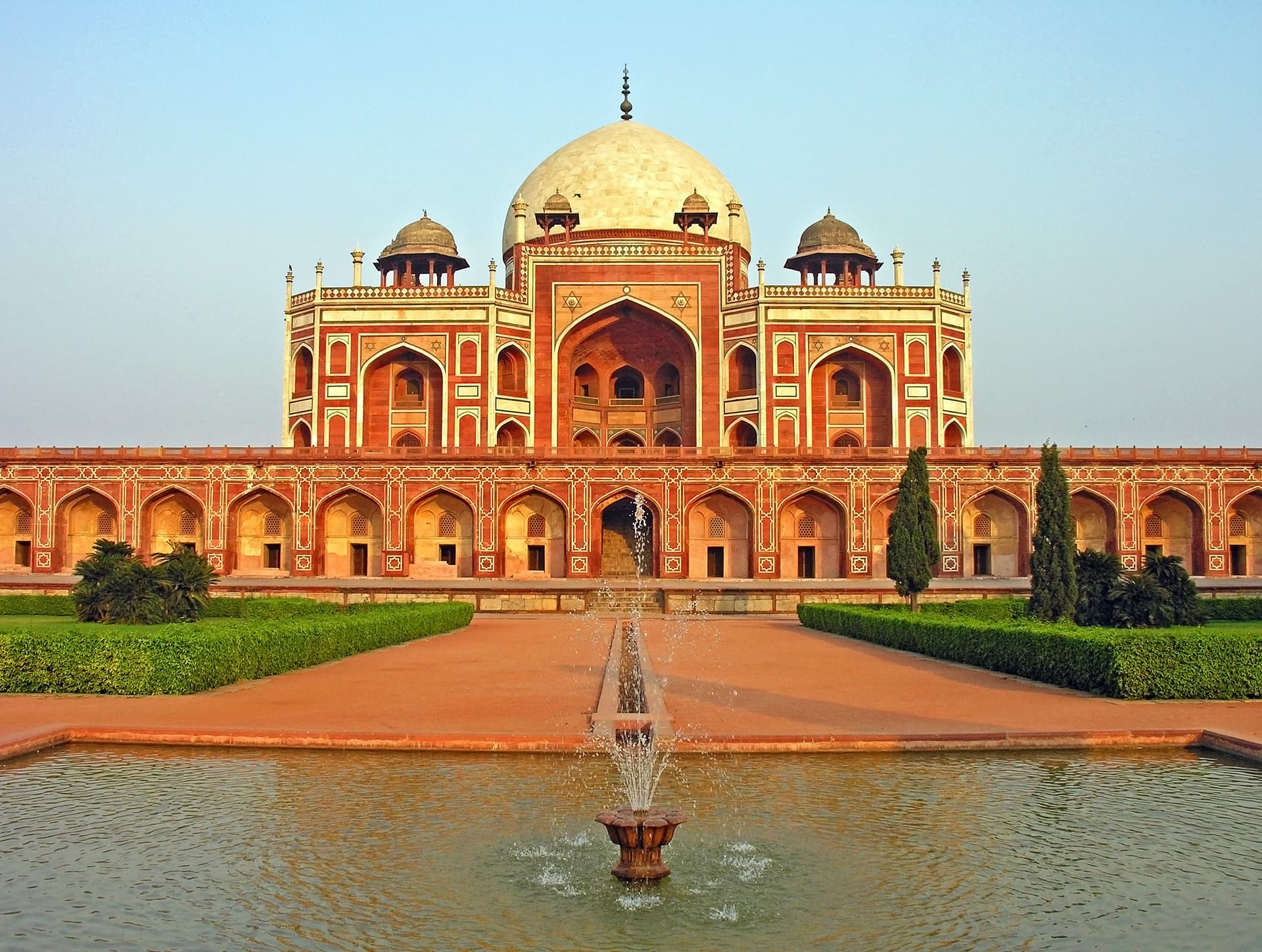
Humayun's Tomb:
- Mughal Architecture: Around 6 kilometers from Jantar Mantar, Humayun's Tomb is a UNESCO World Heritage Site and an excellent example of Mughal architecture, serving as a precursor to the Taj Mahal.
Qutub Minar:
- Historical Monument: Situated about 15 kilometers from Jantar Mantar, Qutub Minar is another UNESCO World Heritage Site and a remarkable example of early Indo-Islamic architecture.
Connaught Place:
- Shopping and Dining: Just a short walk from Jantar Mantar, Connaught Place is a vibrant commercial area known for its colonial architecture, shopping options, and diverse dining establishments.
Best Time to Visit
The best time to visit Jantar Mantar is during the cooler months of October to March. During this period, the weather is pleasant, making it ideal for exploring the site and the surrounding areas. The temperature is comfortable, ranging from 15°C to 25°C, and the skies are generally clear, enhancing the experience.
Visiting Hours: Jantar Mantar is open daily from sunrise to sunset. It is advisable to visit in the morning or late afternoon to avoid the peak heat of the day and to enjoy the site at its best light.

Leave the planning to a local expert
Conclusion
Jantar Mantar is an extraordinary site that offers a glimpse into the scientific ingenuity and architectural prowess of 18th-century India. The observatory stands as a testament to the advanced astronomical knowledge of its time and provides valuable insights into historical scientific practices.
In conclusion, Jantar Mantar is not just a historical monument but also a symbol of the scientific curiosity and architectural brilliance of its era. A visit to Jantar Mantar offers a unique opportunity to explore the intersection of science and history, making it a valuable addition to any itinerary in New Delhi.