Red Fort
Overview
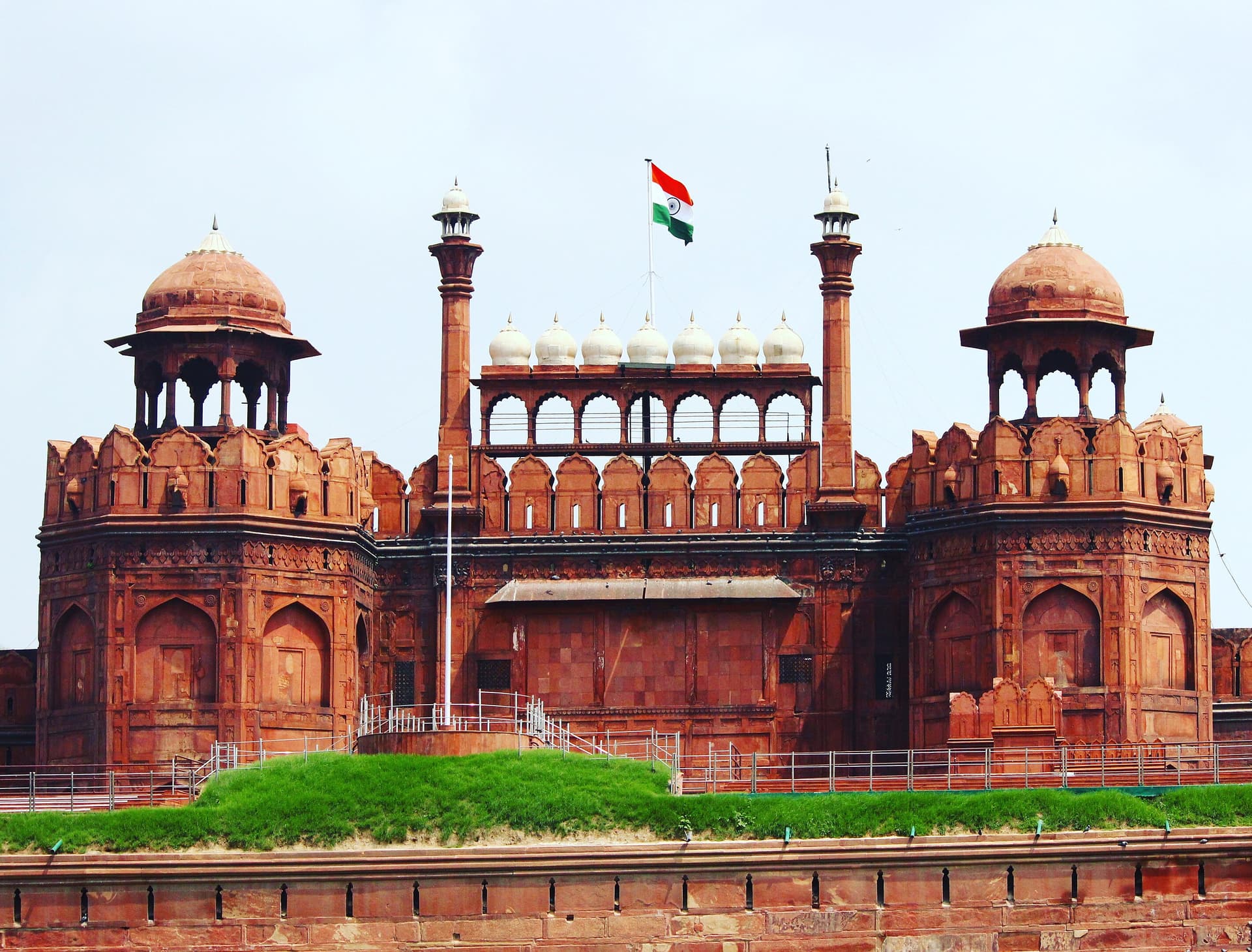
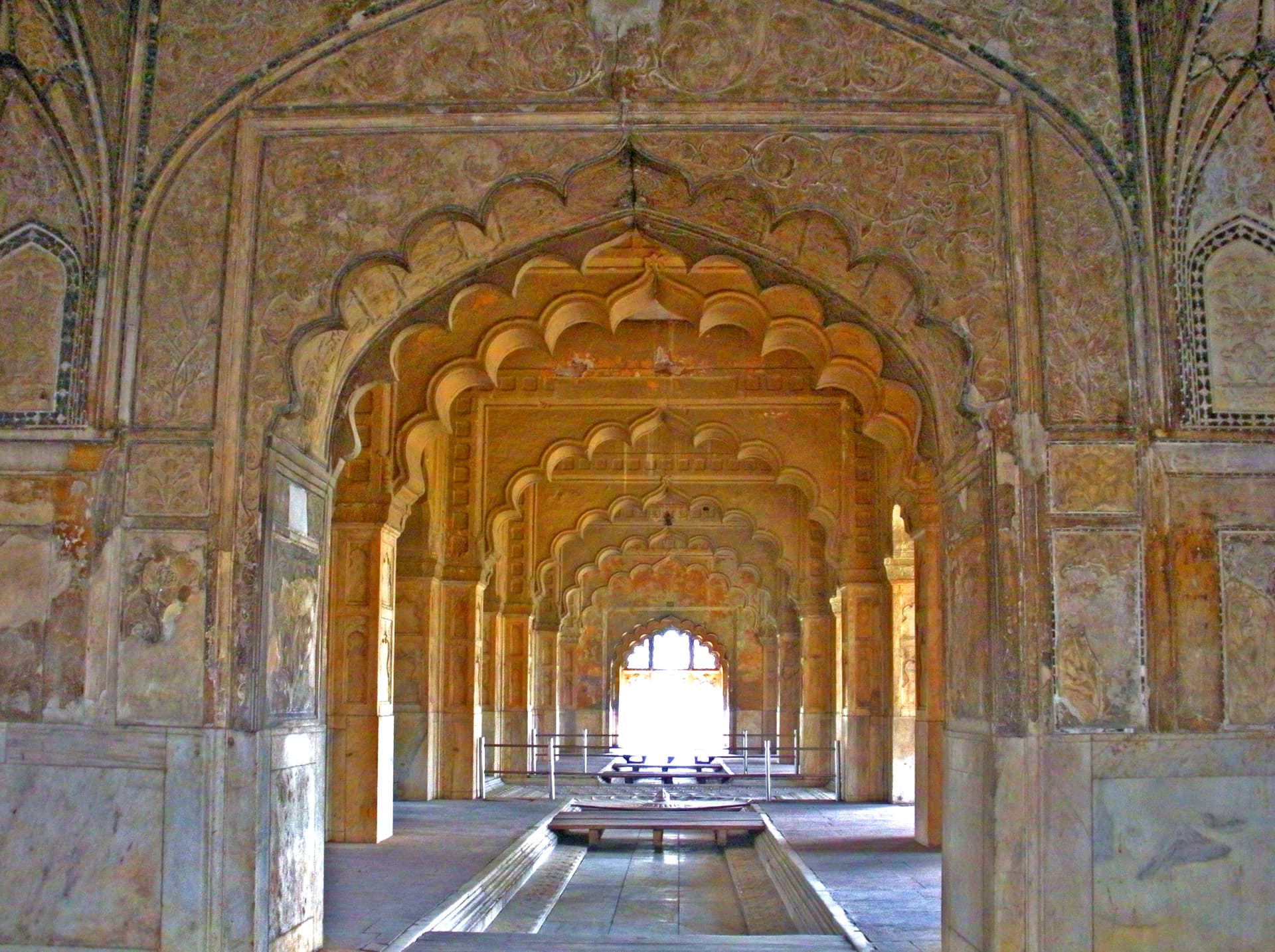
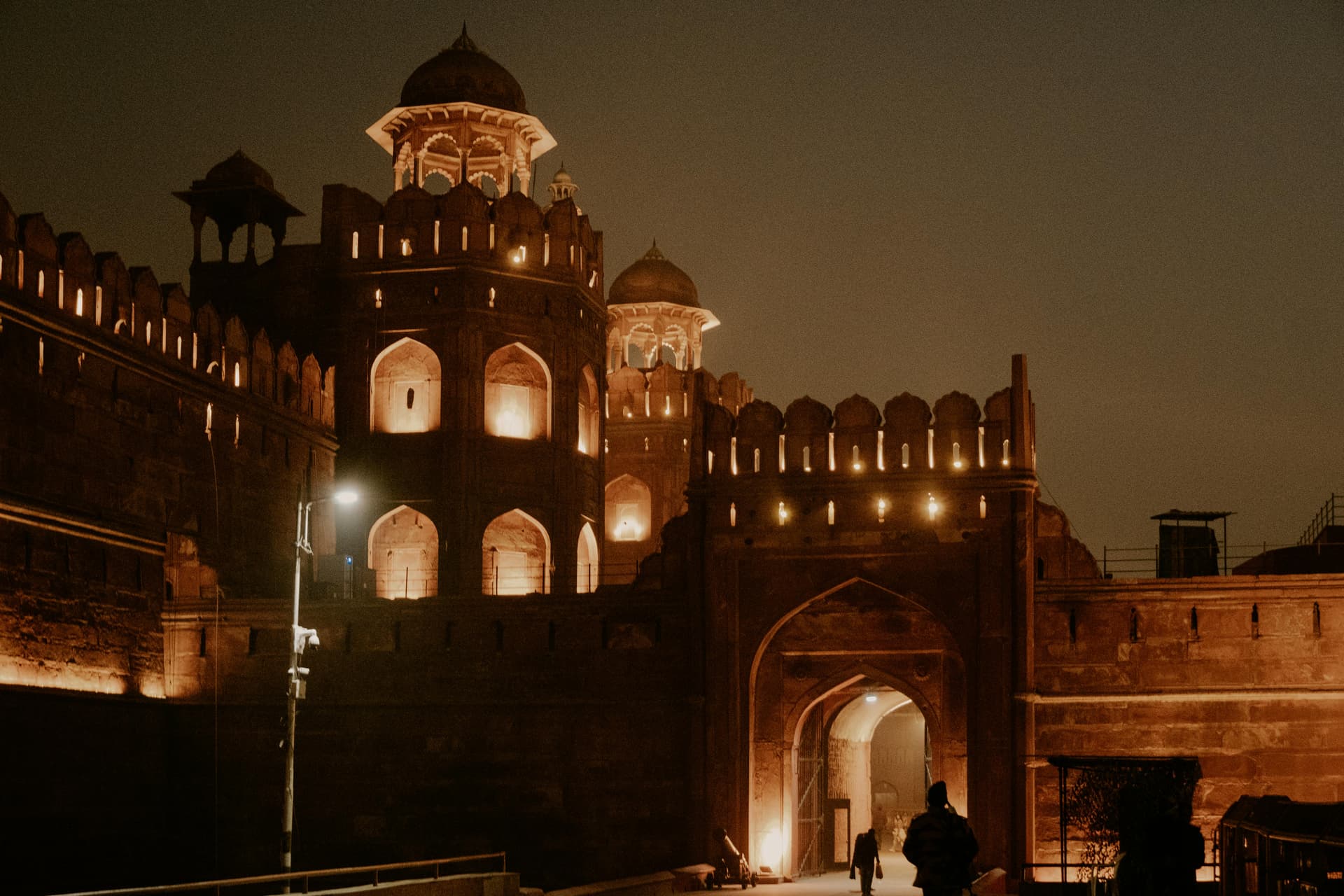
One of the most important sites in New Delhi, the Red Fort (Lal Qila), represents the majesty of Mughal architecture and the rich history of India. Built as the primary palace for the Mughal monarchs between 1638 and 1648 by Emperor Shah Jahan, the fort is a magnificent representation of Mughal craftsmanship and architecture.
Label: Must visit
How to reach: Bike, bus, taxi, auto
Timings: 24 hours
Time Required: 2 hours
Entry Fee: INR 35 for Indians and INR 550 for Foreigners
Key Features
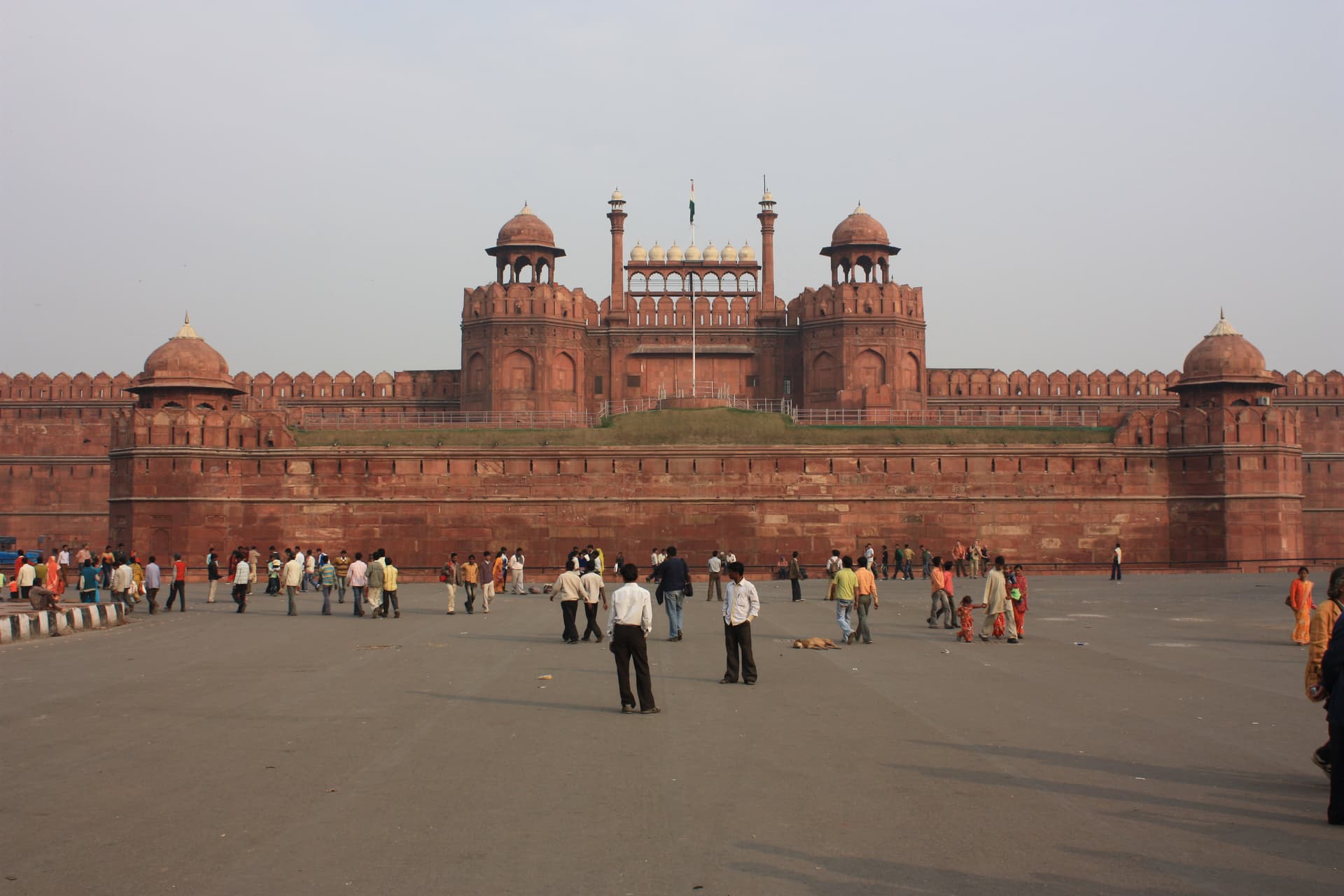
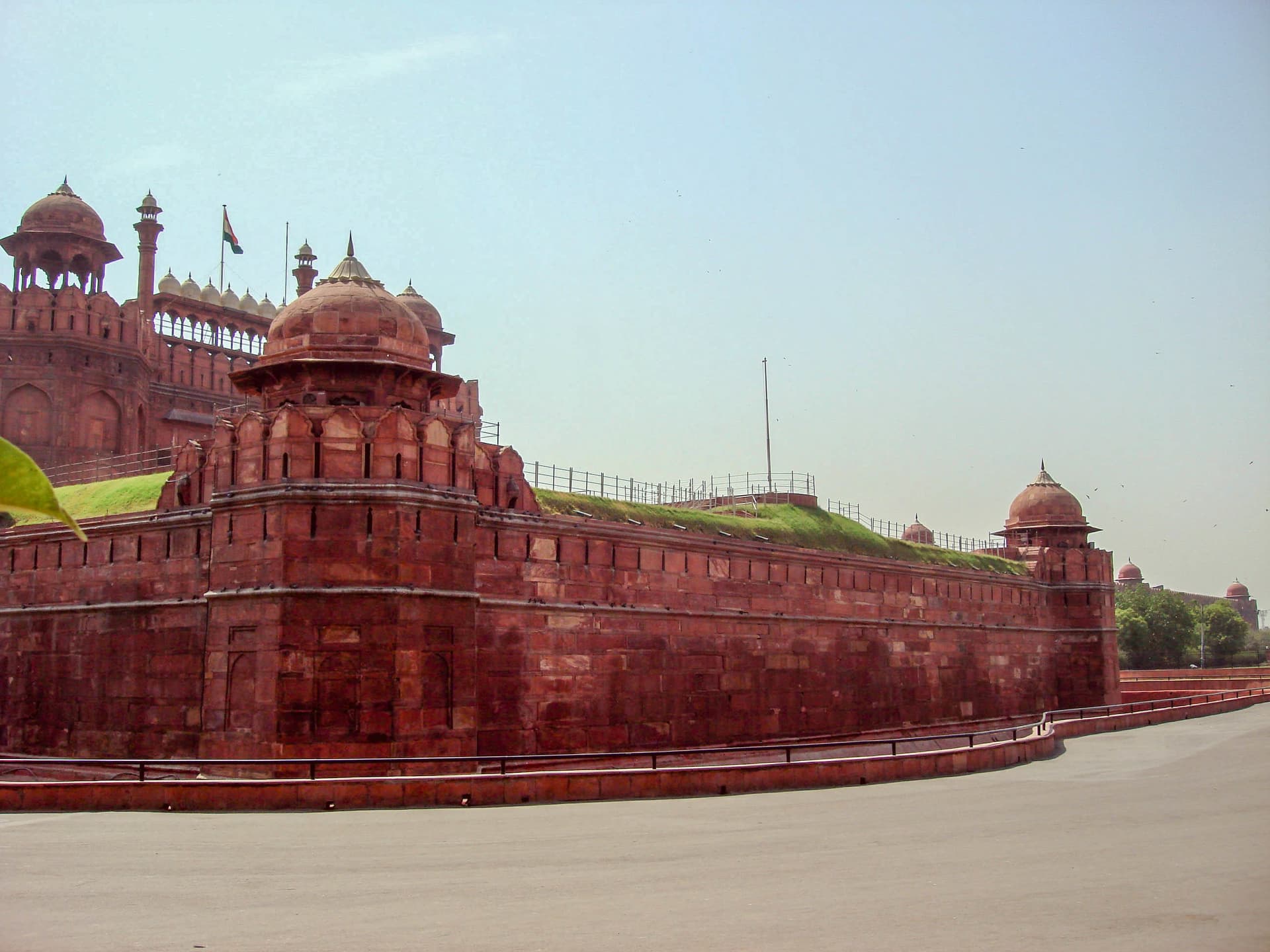
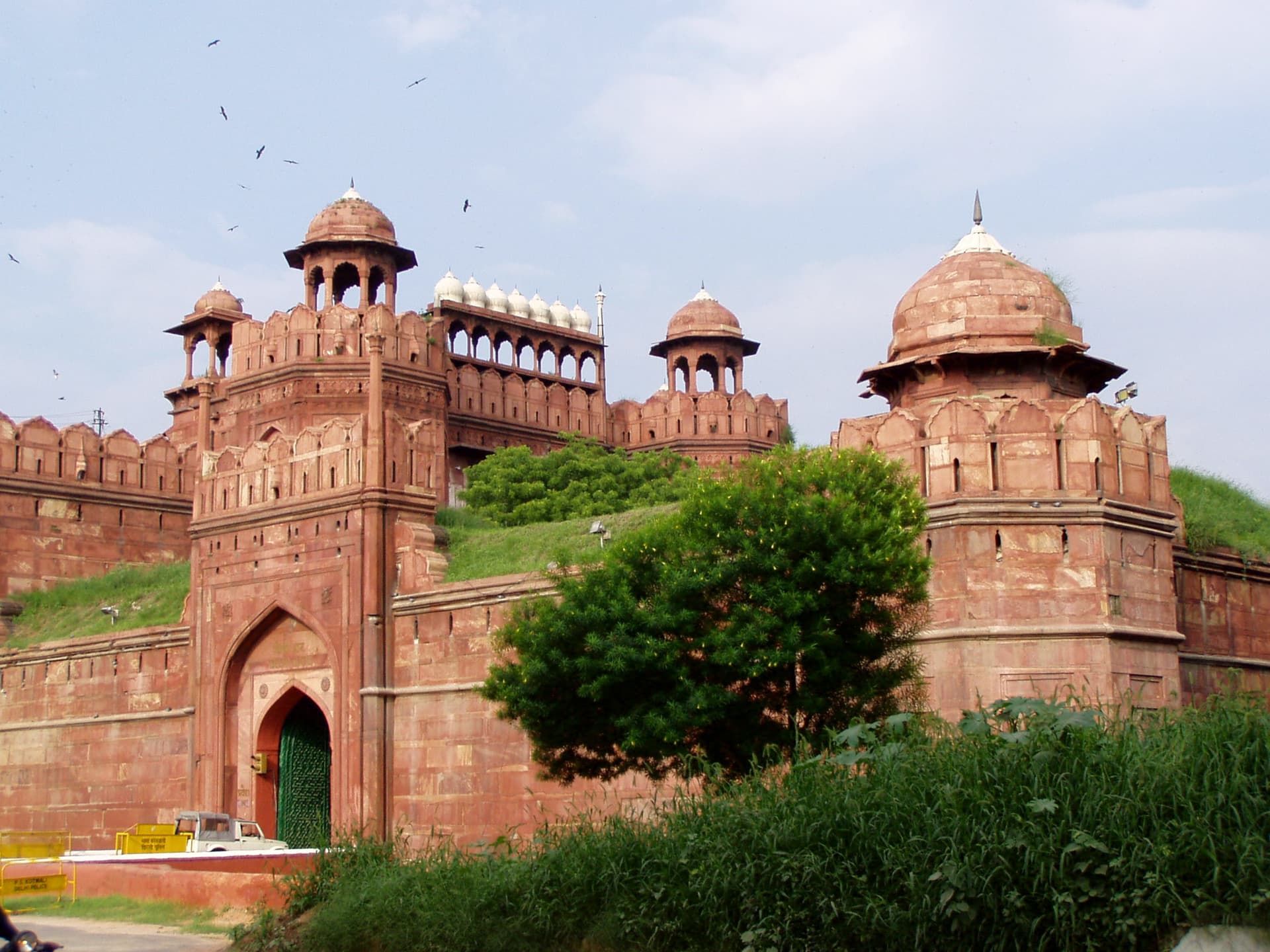
Architectural Brilliance: The Red Fort is renowned for its massive red sandstone walls that stretch over 2.5 kilometers in circumference and rise to a height of up to 33 meters. The fort is the epitome of Mughal architecture with its intricate carvings, majestic gates, and beautiful gardens. Key features include:
- Lahore Gate is the main entrance of the fort, renowned for its grandeur and historical significance.
- Diwan-i-Aam: The Hall of Public Audience, where the emperor would address his subjects.
- Diwan-i-Khas: The Hall of Private Audience, featuring an ornate marble throne and intricate decorations.
- Rang Mahal: The Palace of Colors, known for its colorful decorations and cooling system.
- Mumtaz Mahal: An area that once served as the quarters for the emperor’s wife.
Historical Significance: The Red Fort has witnessed numerous historical events, including the first war of Indian independence in 1857. It has served as the political and ceremonial center of the Mughal Empire.
UNESCO World Heritage Site: In 2007, the Red Fort was designated a UNESCO World Heritage Site, recognized for its historical importance and architectural excellence.
Nearby Attractions
Jama Masjid: Located about 1 kilometer from the Red Fort, Jama Masjid is one of the largest mosques in India. It is an architectural marvel with a large courtyard, elegant domes, and towering minarets.
Raj Ghat: Approximately 2 kilometers from the Red Fort, Raj Ghat is the memorial dedicated to Mahatma Gandhi. It is a serene spot where visitors can pay their respects to the Father of the Nation.
Chandni Chowk: Just outside the Red Fort, Chandni Chowk is a bustling market area known for its street food, traditional shops, and historical significance. It offers a vibrant shopping experience and a taste of Old Delhi’s charm.
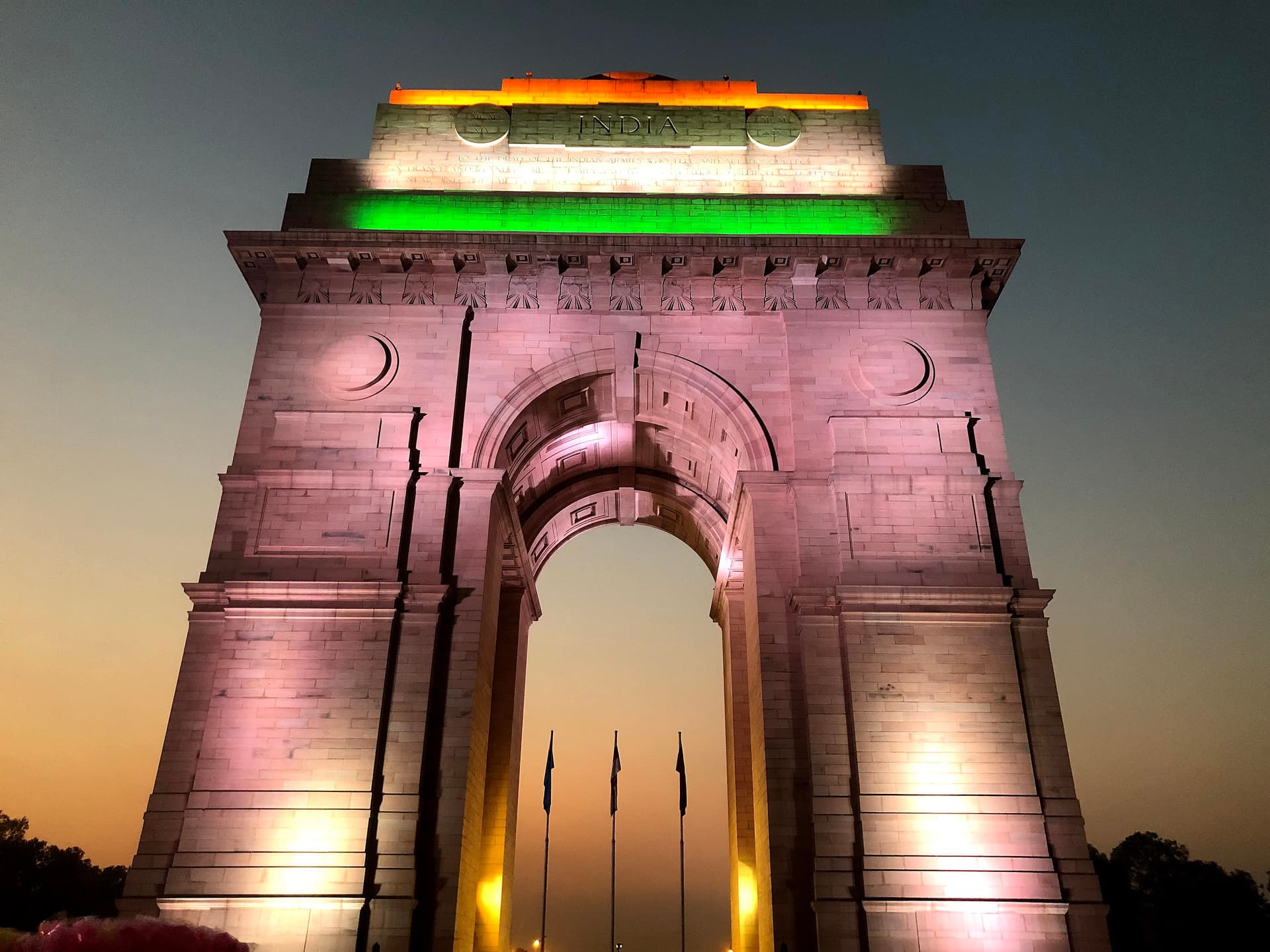
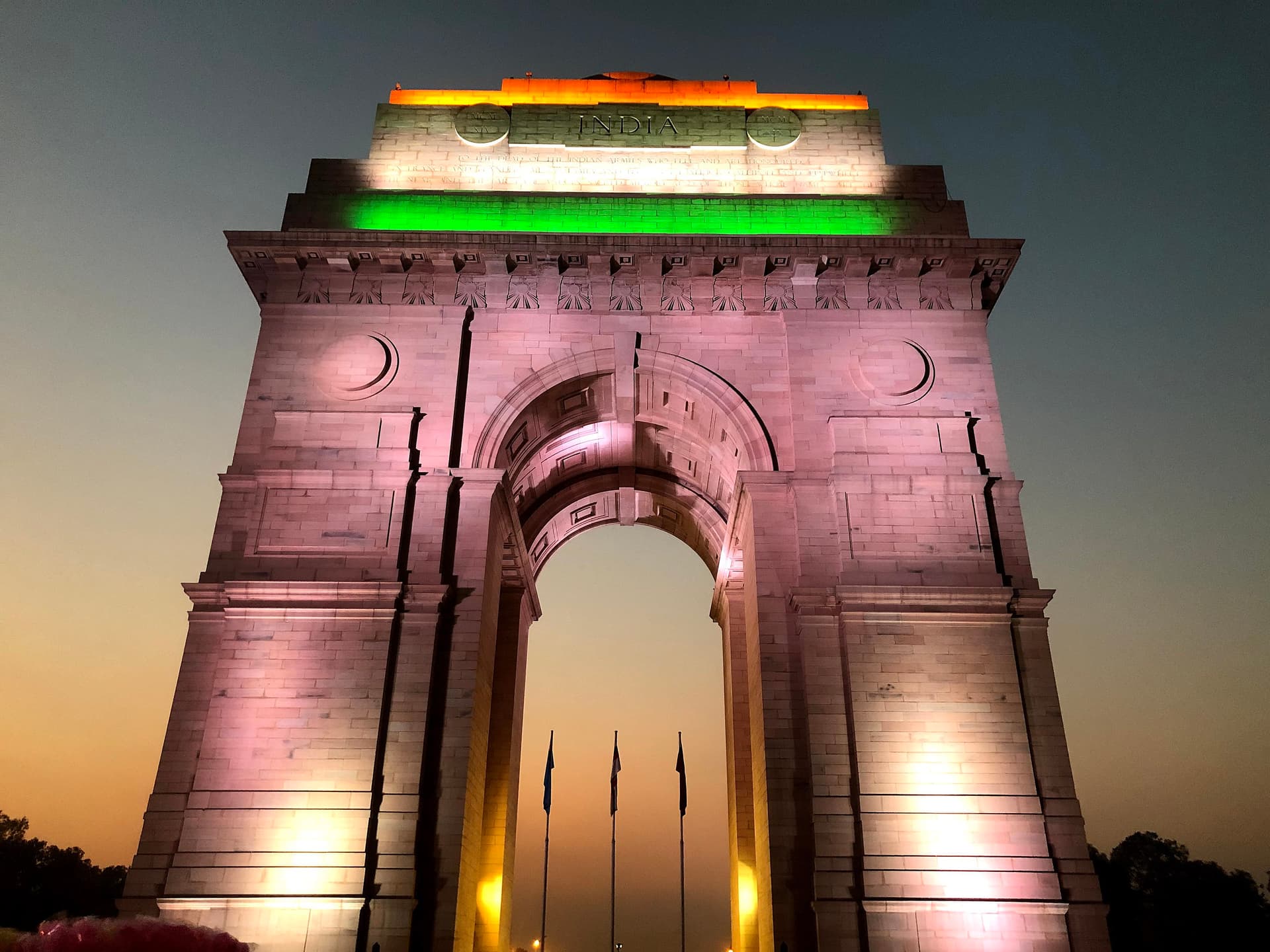
India Gate: About 4 kilometers from the Red Fort, India Gate is a war memorial dedicated to the soldiers who died in World War I. The monument is a popular spot for leisurely walks and is surrounded by lush gardens.
Humayun’s Tomb: Located around 6 kilometers from the Red Fort, Humayun’s Tomb is a beautiful Mughal garden tomb that served as an architectural inspiration for the Taj Mahal.
Best Time to Visit
The best time to visit the Red Fort is between October and March, during the cooler months in Delhi. The weather is pleasant and conducive to exploring the fort and its extensive grounds. Visiting in the early morning or late afternoon can help avoid the midday heat and large crowds.
The fort is open to visitors every day except Monday, with specific hours for different sections. Guided tours are available and recommended for a deeper understanding of the fort’s history and architecture.

Leave the planning to a local expert
Conclusion
The Red Fort stands as a monumental testament to Mughal grandeur and architectural innovation. Its impressive red sandstone walls, intricate interior designs, and historical significance make it a must-visit landmark in New Delhi. The fort’s rich history, coupled with its majestic architecture, offers a glimpse into India’s imperial past.
Exploring the Red Fort provides a unique opportunity to appreciate Mughal art and history, while its strategic location in Old Delhi places it in proximity to other notable attractions. From the bustling markets of Chandni Chowk to the serene Raj Ghat, the surrounding areas offer a vibrant and culturally immersive experience.