Rashtrapati Bhavan
Overview
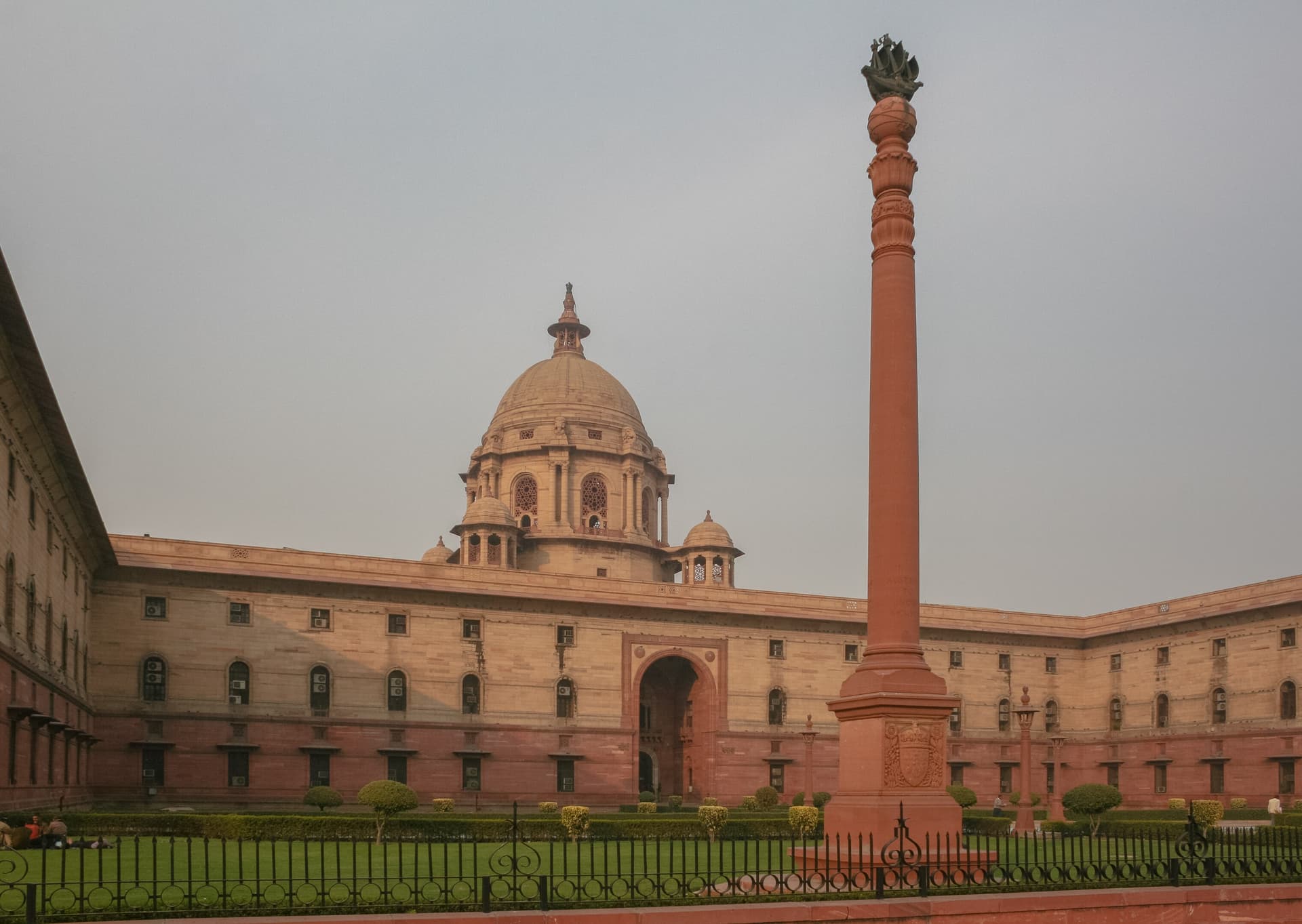
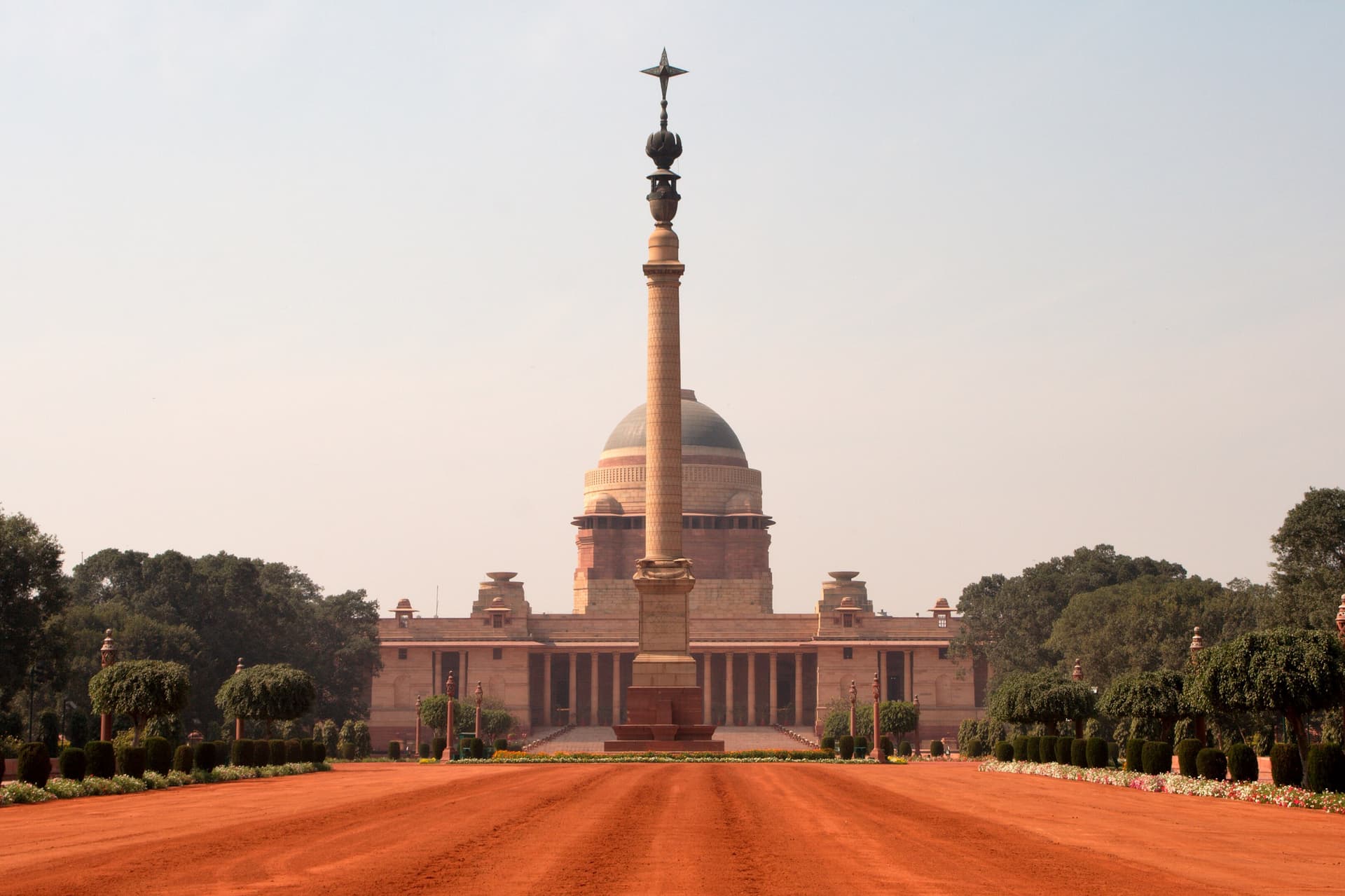
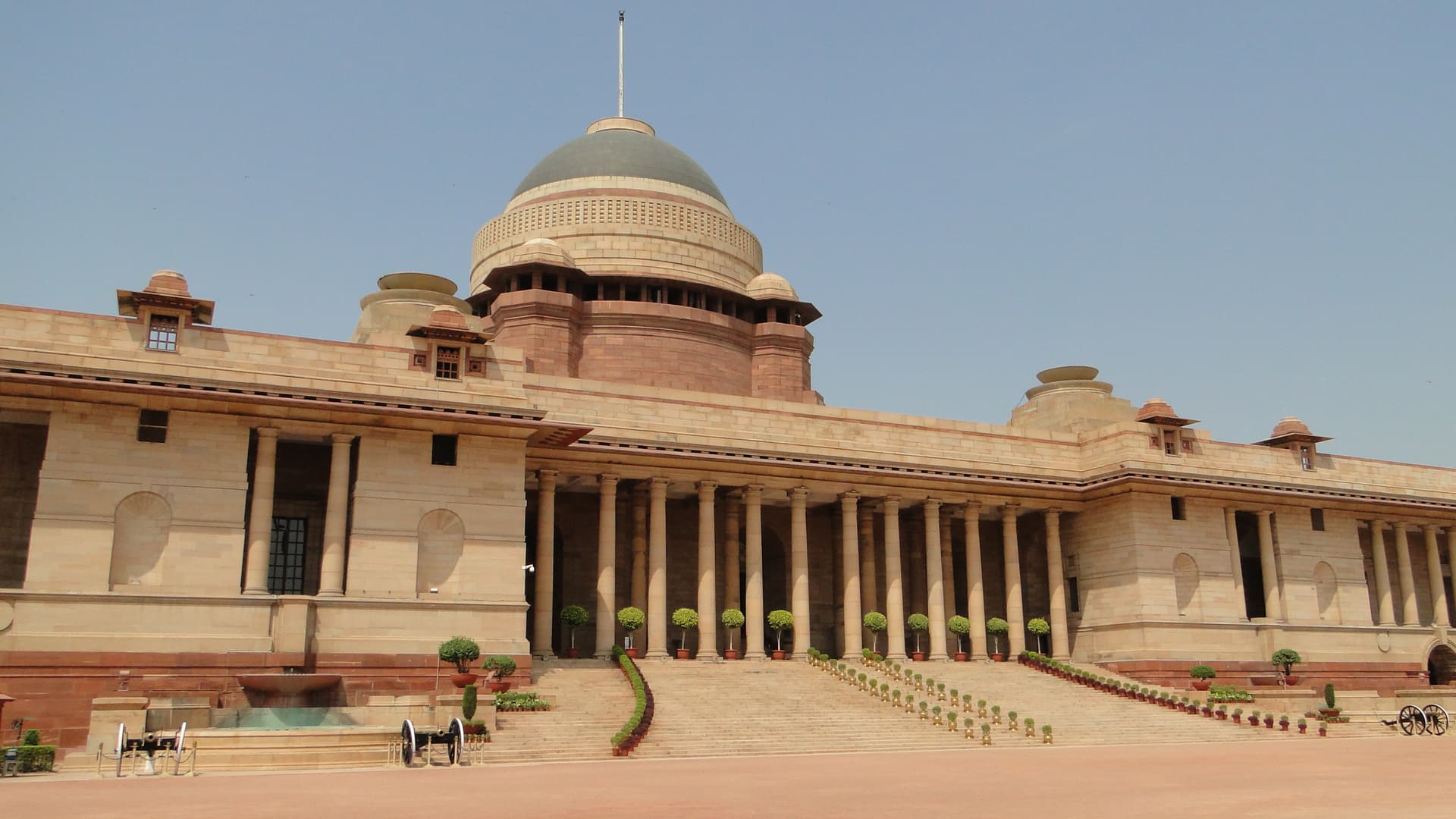
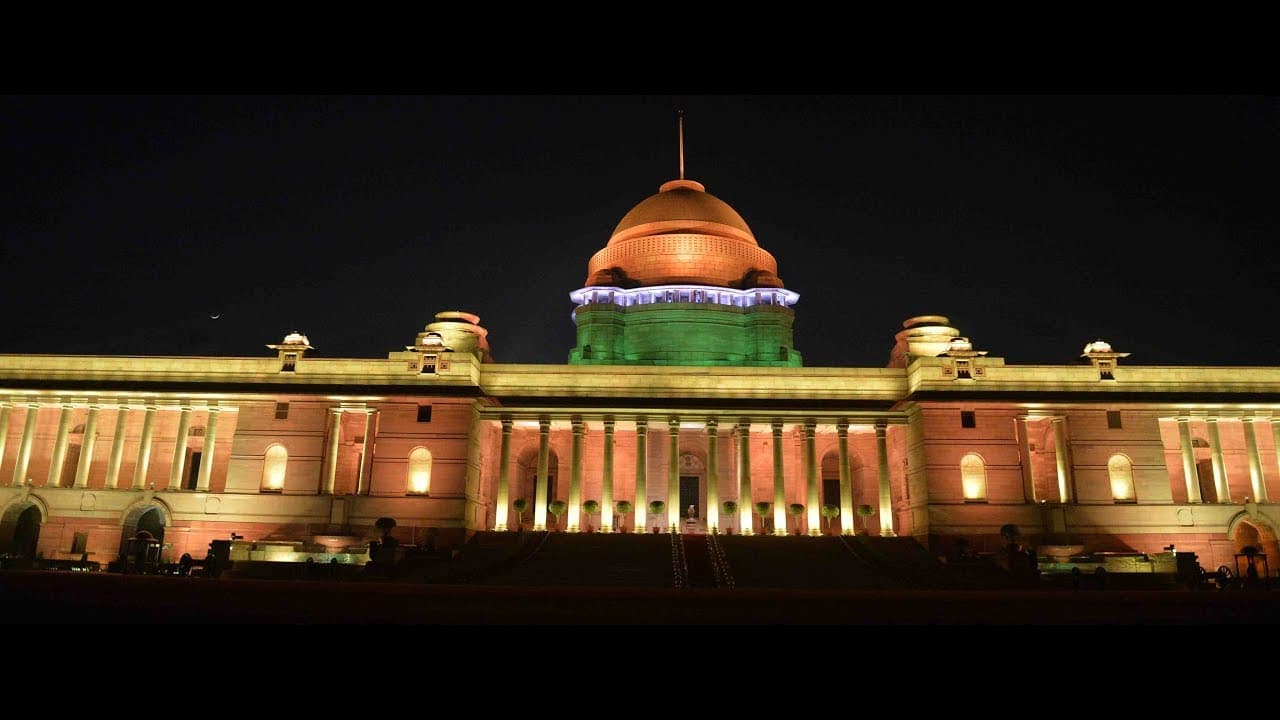
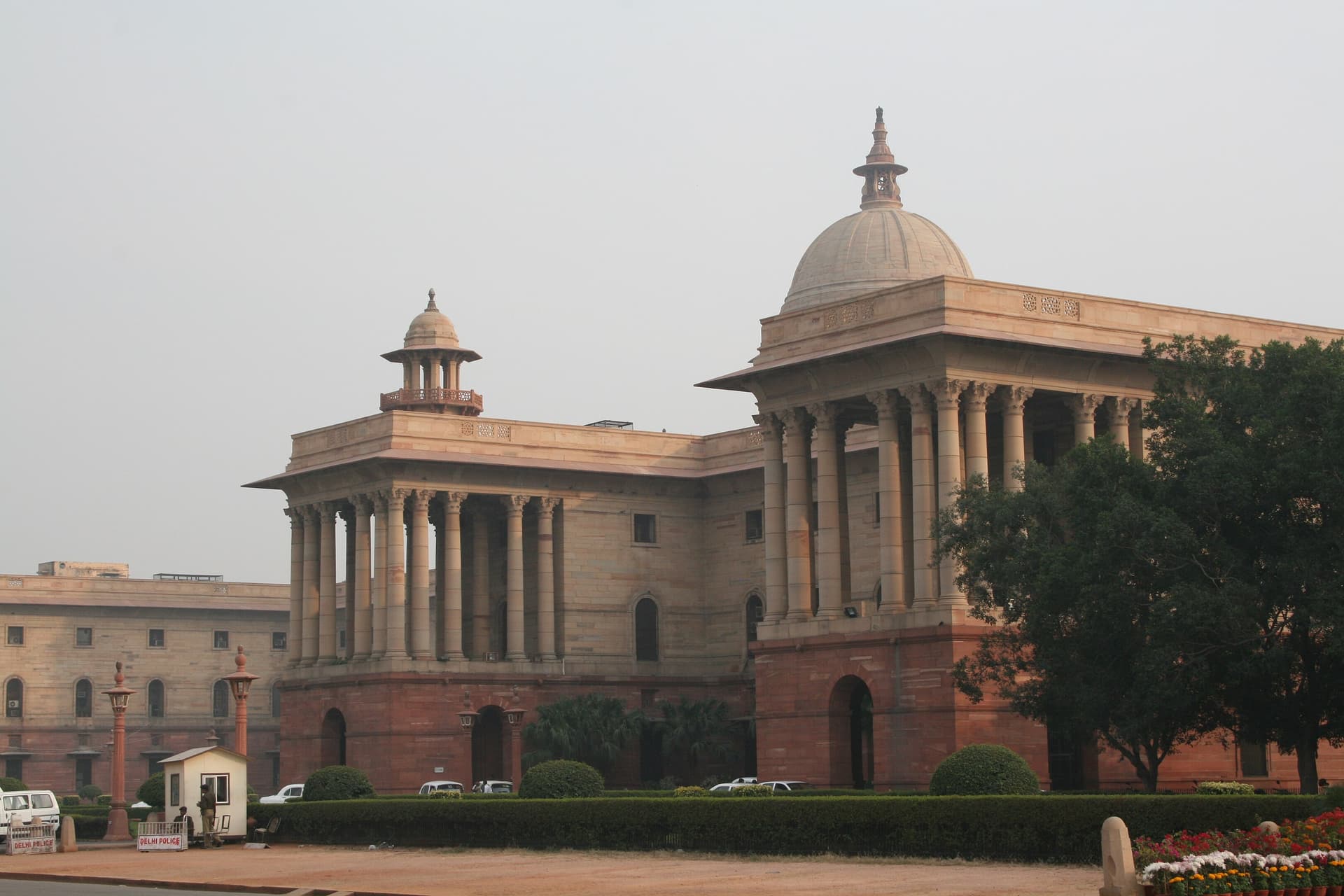
India's main presidential palace, Rashtrapati Bhavan, is a well-known representation of the country's democratic republic. This impressive building, which is one of the biggest presidential homes in the world and a magnificent example of British colonial architecture, is situated at the western end of Rajpath.
Label: Must visit
How to reach: Bike, bus, taxi, auto
Timings: 9:30 AM to 5:30 PM
Time Required: 2 hours
Entry Fee: INR 35
Key Features
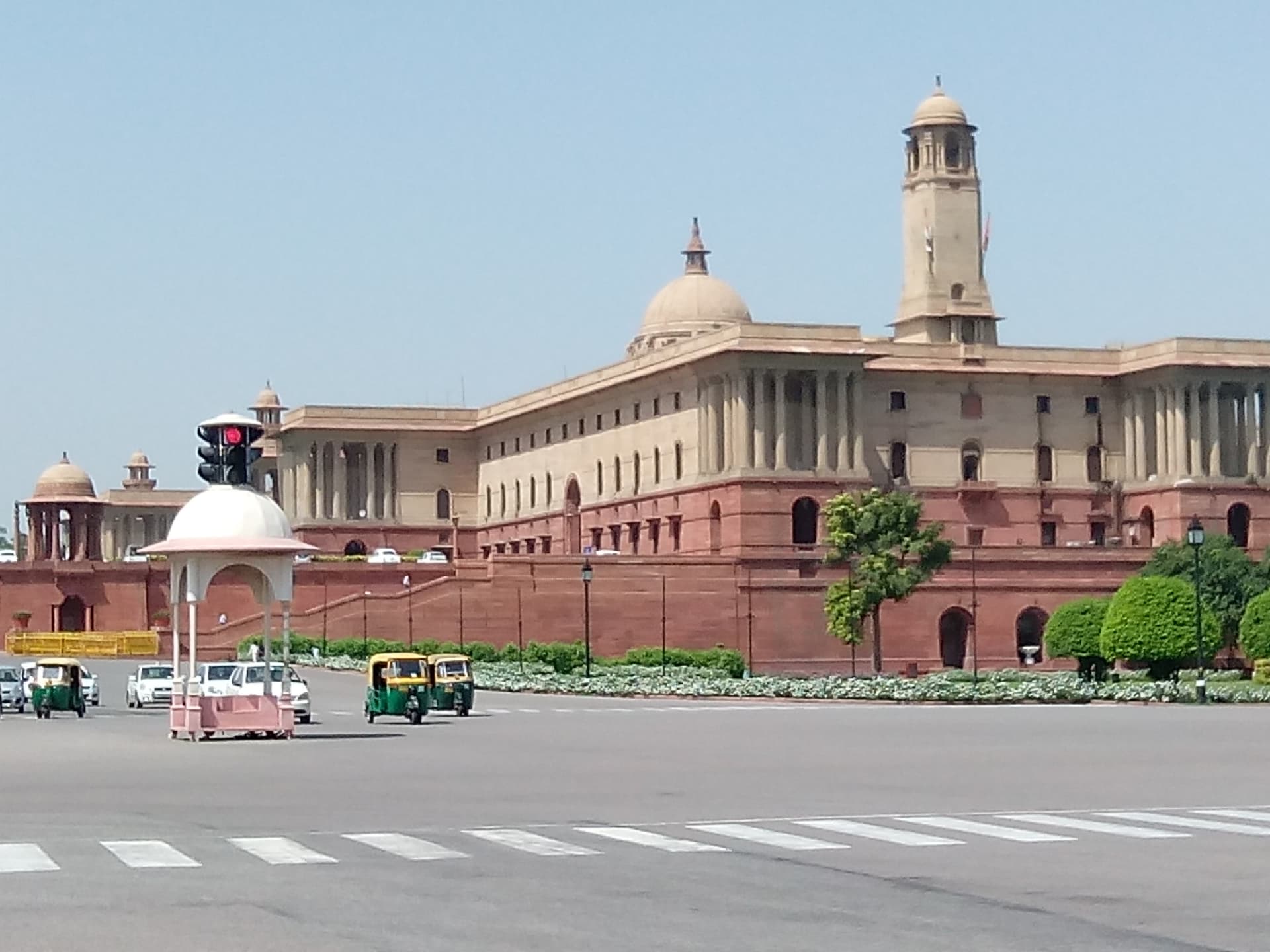
Architectural Brilliance: Designed by British architect Edwin Lutyens, the Rashtrapati Bhavan showcases a blend of Indian and Western architectural styles. Its key features include:
- Central Dome: Inspired by Indian Buddhist architecture, the large dome is a prominent feature of the building and symbolizes the unity of various architectural styles.
- Rajpath Entrance: The grand entrance is flanked by imposing columns and offers a majestic view of the forecourt.
- Mughal Gardens: The lush gardens, which are open to the public during certain seasons, are designed in the Mughal style and feature beautiful floral arrangements, water channels, and manicured lawns.
- Durbar Hall: The main ceremonial hall is adorned with elaborate decor and is used for official functions and events.
- Secretariat Building: The building houses several important offices and departments related to the functioning of the president’s office.
Historical Significance: The Rashtrapati Bhavan was originally intended as the Viceroy’s House during the British Raj and served as the residence of the British Viceroy. After India gained independence in 1947, it became the official residence of the President of India.
Nearby Attractions
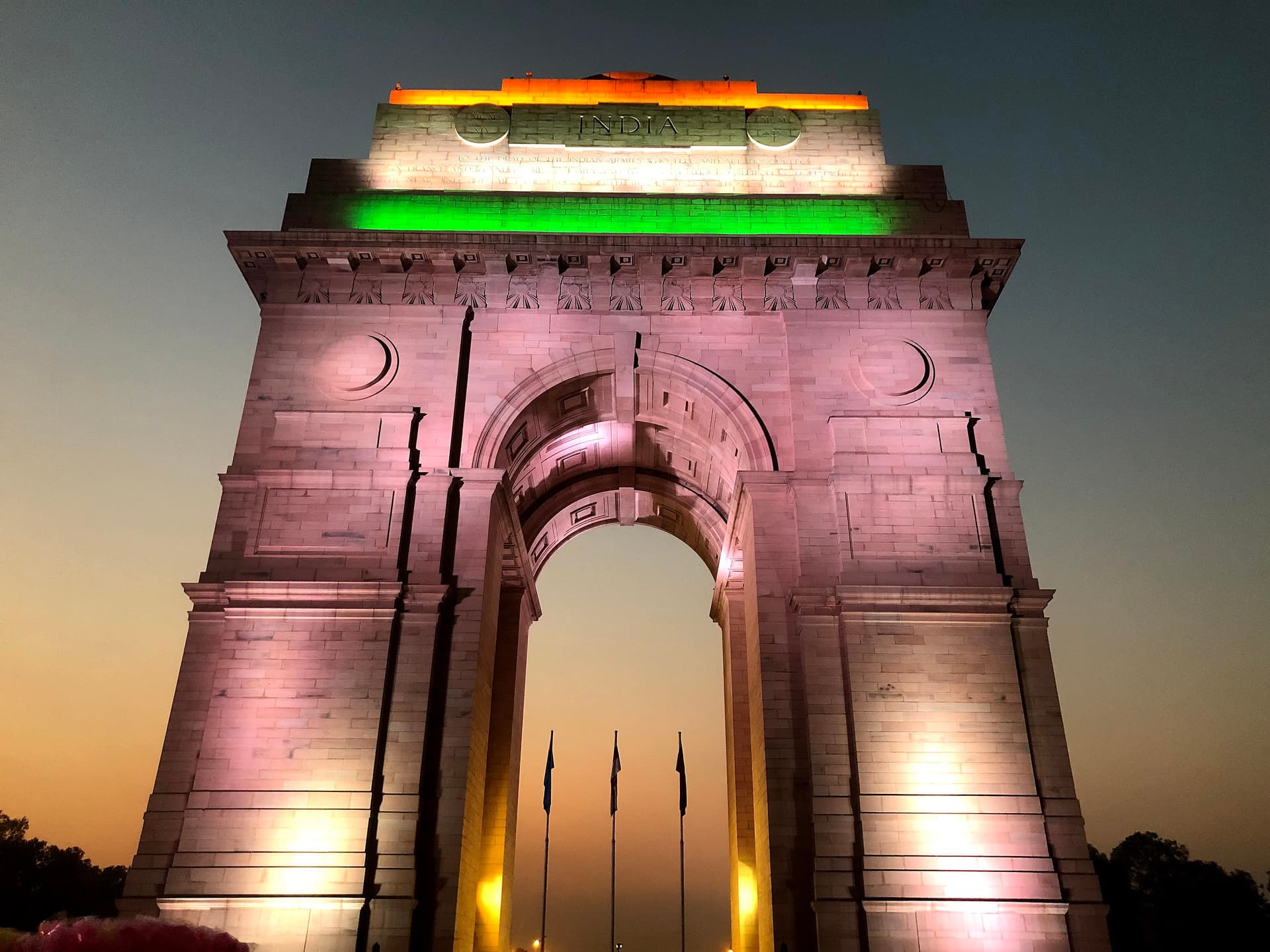
India Gate: Located about 2 kilometers from Rashtrapati Bhavan, India Gate is a prominent war memorial dedicated to soldiers who died in World War I. The surrounding lawns and gardens make it a popular spot for leisurely walks.
Parliament House: Situated around 1 kilometer from Rashtrapati Bhavan, the Parliament House (Sansad Bhavan) is an architectural marvel and the center of India's legislative activities. While not open to the public, it can be admired from the outside.
Raj Ghat: Approximately 3 kilometers away, Raj Ghat is the memorial dedicated to Mahatma Gandhi. It is a serene spot for reflection and offers a glimpse into the life of the Father of the Nation.
National Museum: Located around 2 kilometers from Rashtrapati Bhavan, the National Museum showcases India’s rich heritage through its extensive collection of art, artifacts, and historical relics.
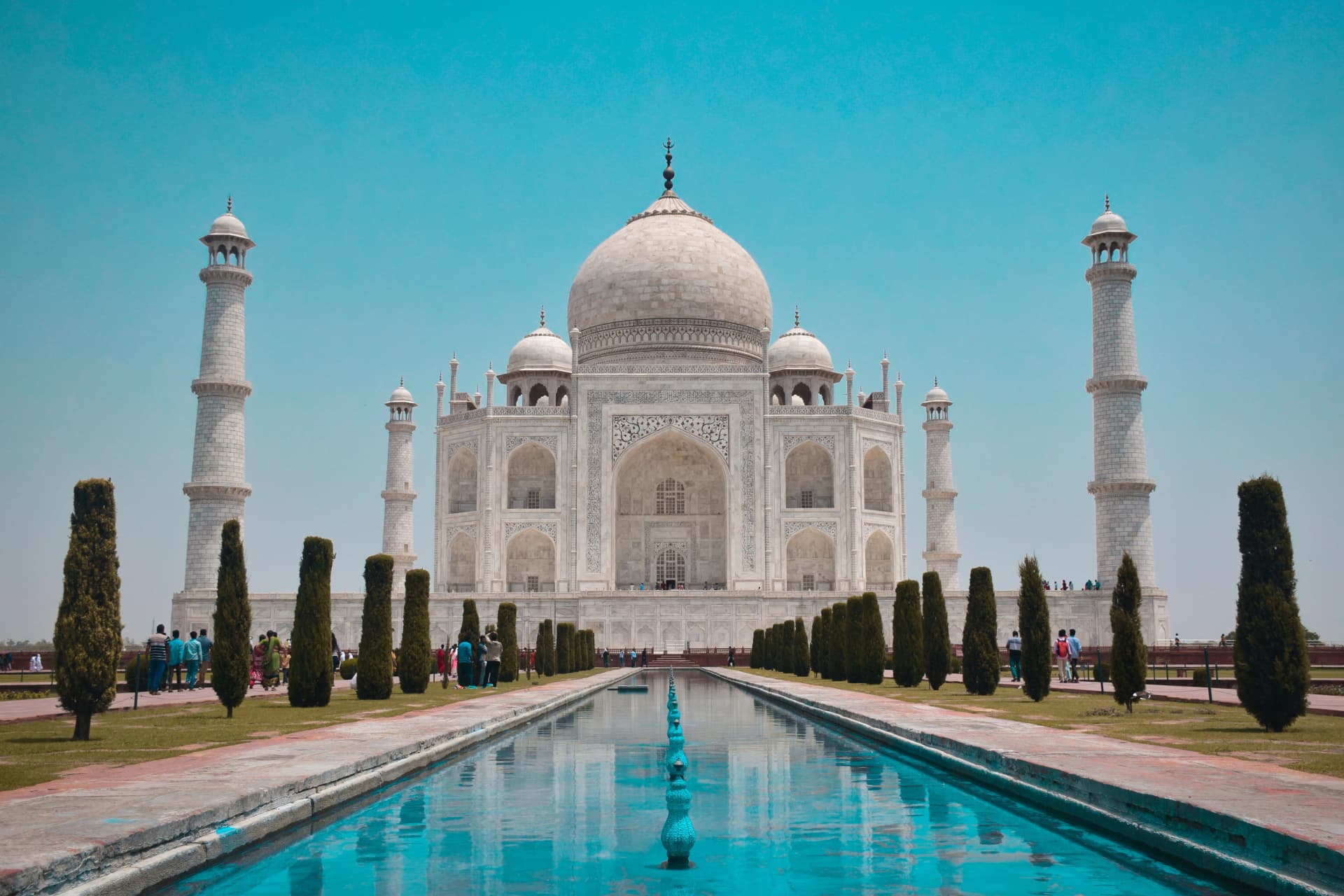
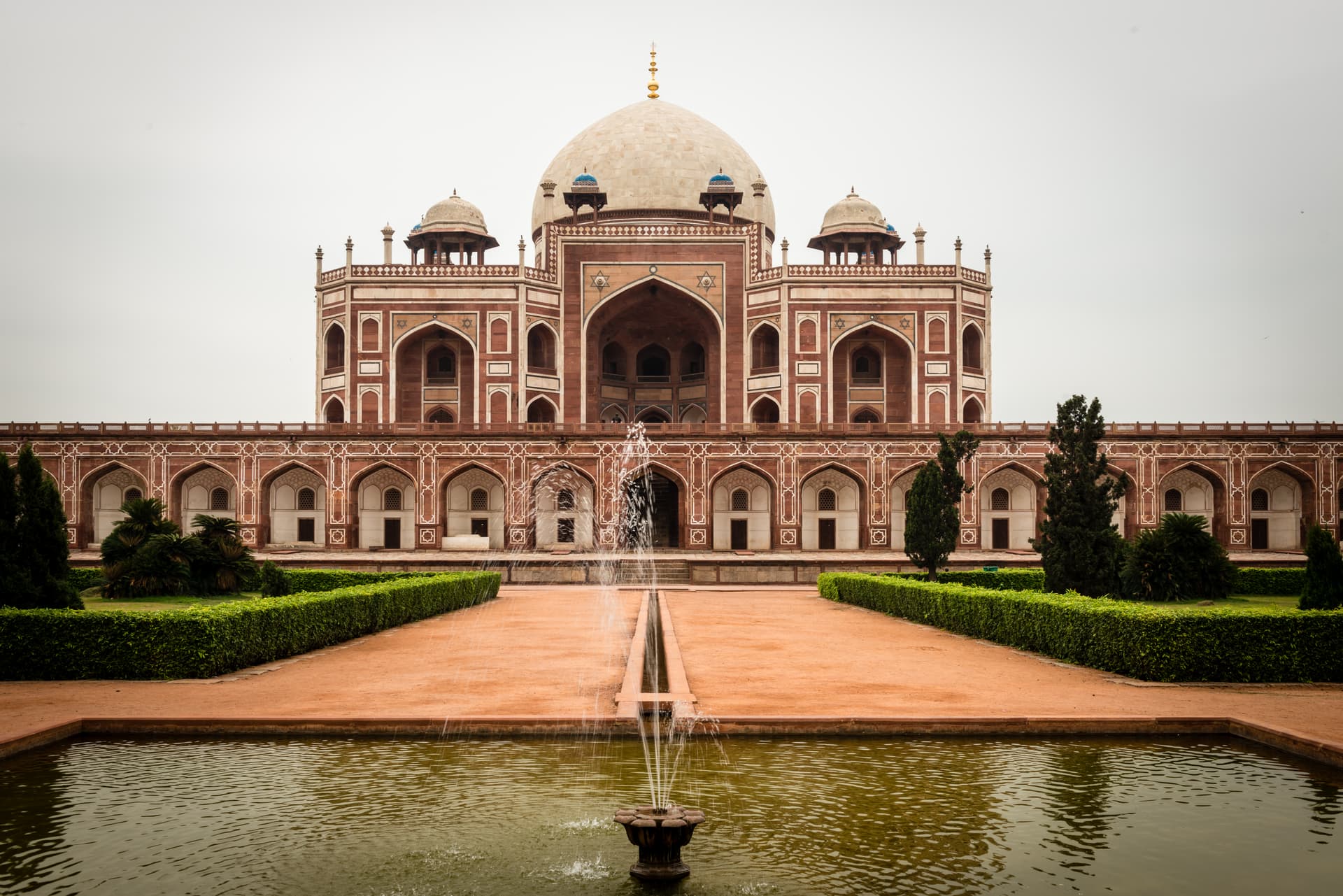
Humayun’s Tomb: About 6 kilometers away, Humayun’s Tomb is a UNESCO World Heritage Site and an exquisite example of Mughal architecture that served as an inspiration for the Taj Mahal.
Best Time to Visit
The best time to visit Rashtrapati Bhavan is between October and March, during Delhi's cooler months. The weather is pleasant and ideal for exploring the vast grounds and architectural features of the building.
Visiting Hours: Rashtrapati Bhavan is open to visitors with prior permission and through guided tours. It is advisable to book tours in advance, as access is regulated. The Mughal Gardens are usually open to the public during the spring season, from February to March, providing a chance to witness their full splendor.

Leave the planning to a local expert
Conclusion
Rashtrapati Bhavan is not just a residence but a symbol of India’s democratic ethos and architectural heritage. Its grand design, historical significance, and stunning Mughal Gardens make it a landmark that embodies the essence of India’s rich cultural and political history.
Exploring Rashtrapati Bhavan offers a unique opportunity to appreciate the opulence of British colonial architecture while also understanding the importance of the building in modern Indian governance. Its strategic location in the heart of New Delhi places it near several other significant landmarks, allowing visitors to experience a rich tapestry of India’s historical and cultural landscape.