Lotus Temple
Overview
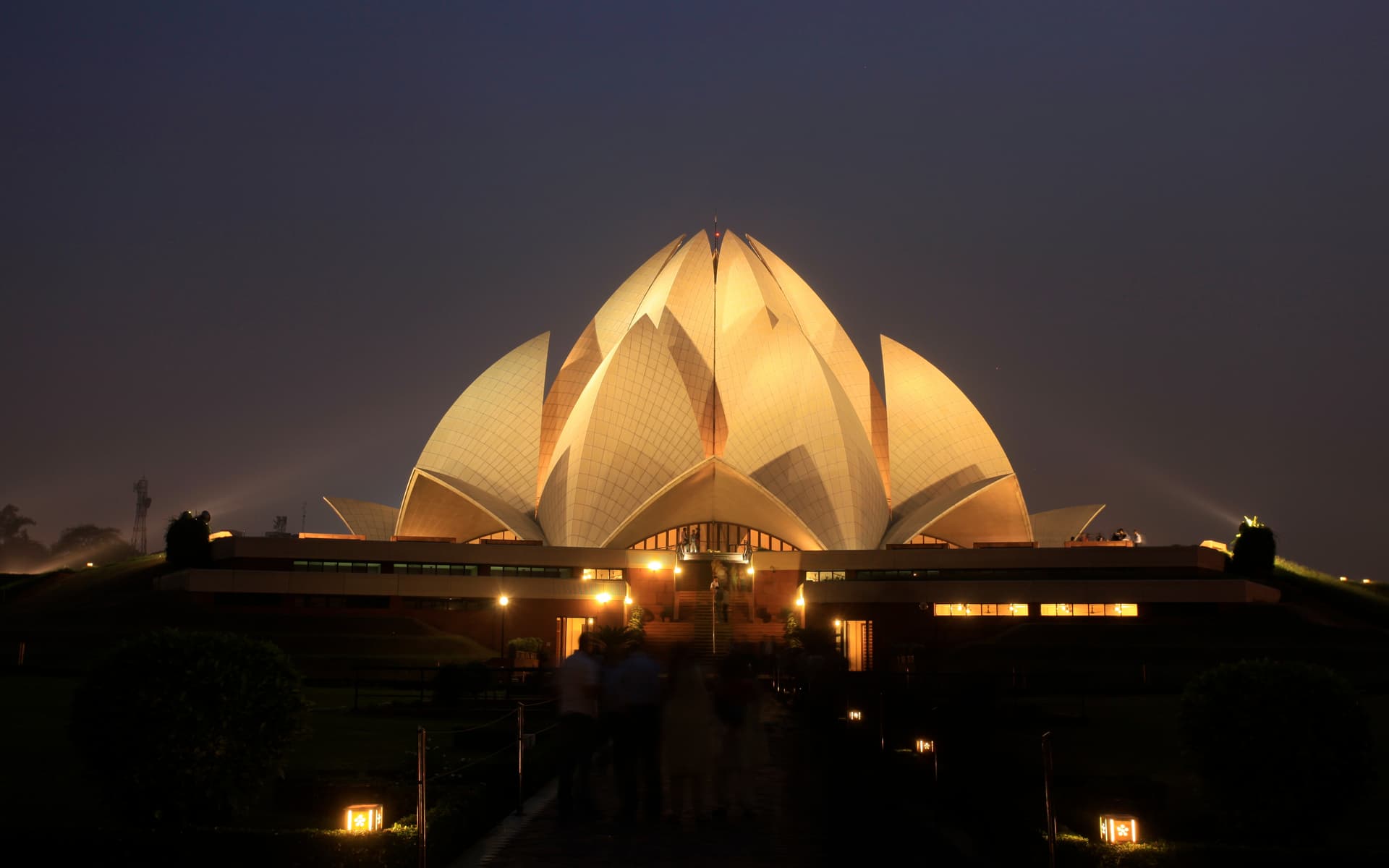
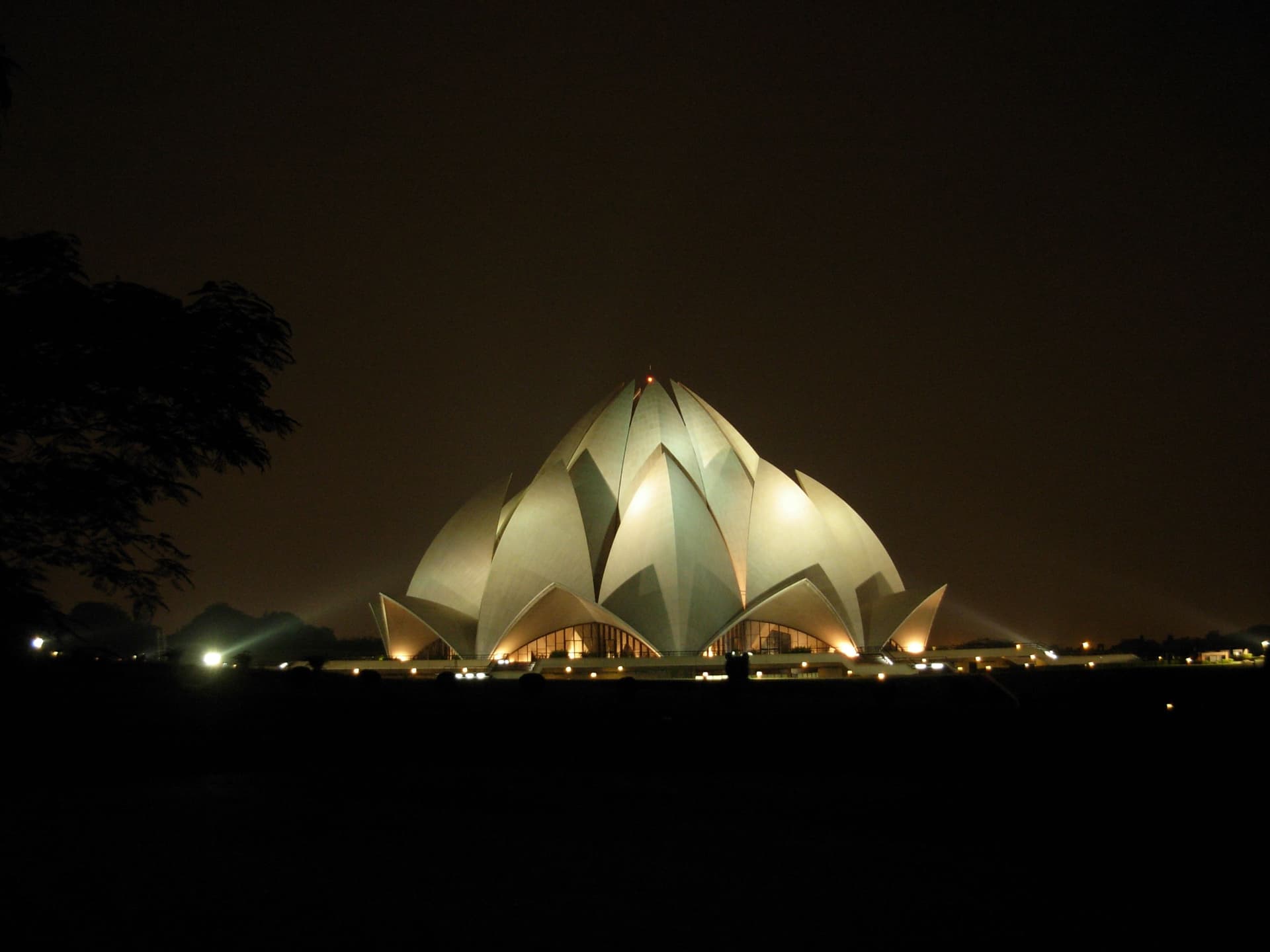
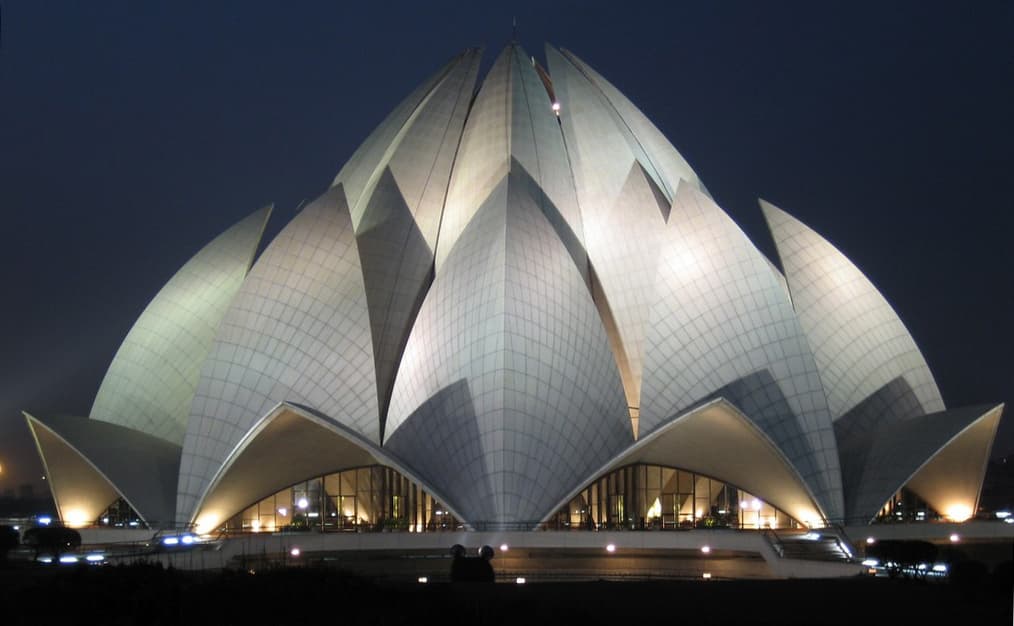
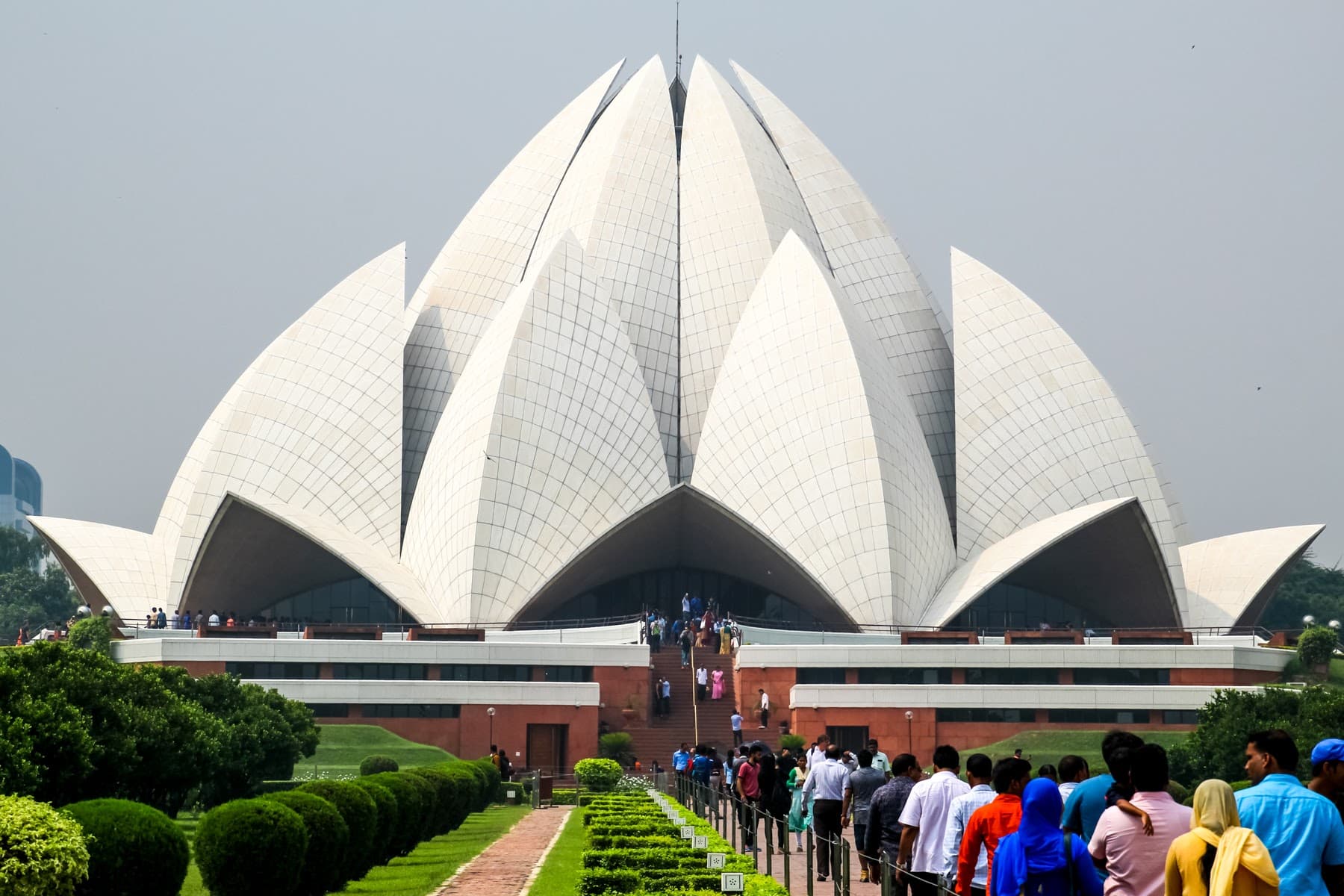
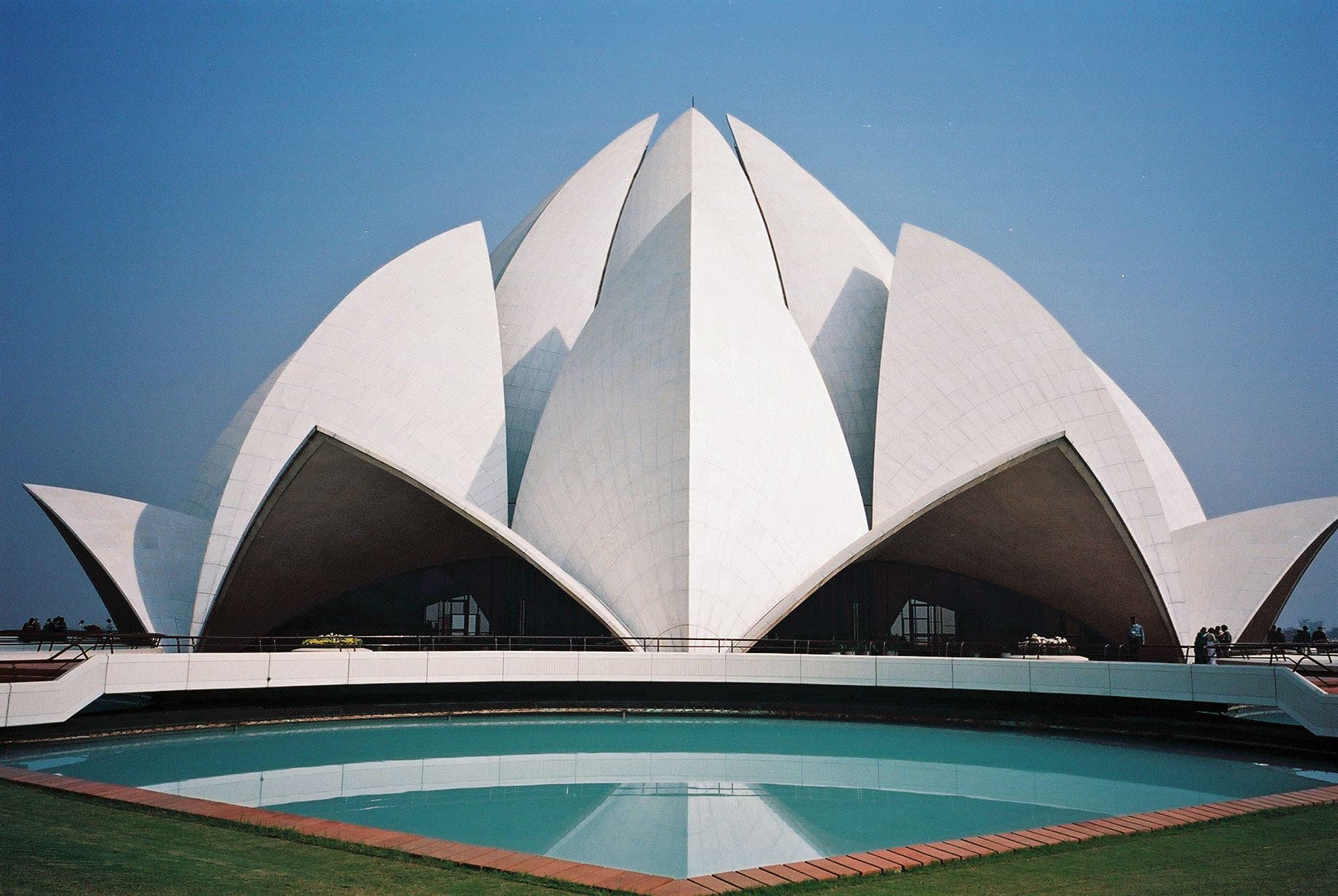
The Lotus Temple, which is sometimes referred to as the Bahá'í House of Worship, is a prominent landmark in New Delhi. This architectural masterpiece was unveiled in 1986 and is formed like a lotus flower, which is revered throughout many cultures as a symbol of purity, love, and peace. The temple was designed by Iranian architect Fariborz Sahba and has nine sides made up of 27 free-standing "petals" covered in marble that are grouped in threes. The temple welcomes visitors of all faiths for prayer and meditation and serves as a symbol of the harmony of all religions.
Label: Must visit
How to reach: Bike, bus, taxi, auto
Timings: 8:30 AM to 6:00 PM
Time Required: 2 hours
Entry Fee: Free
Key Features
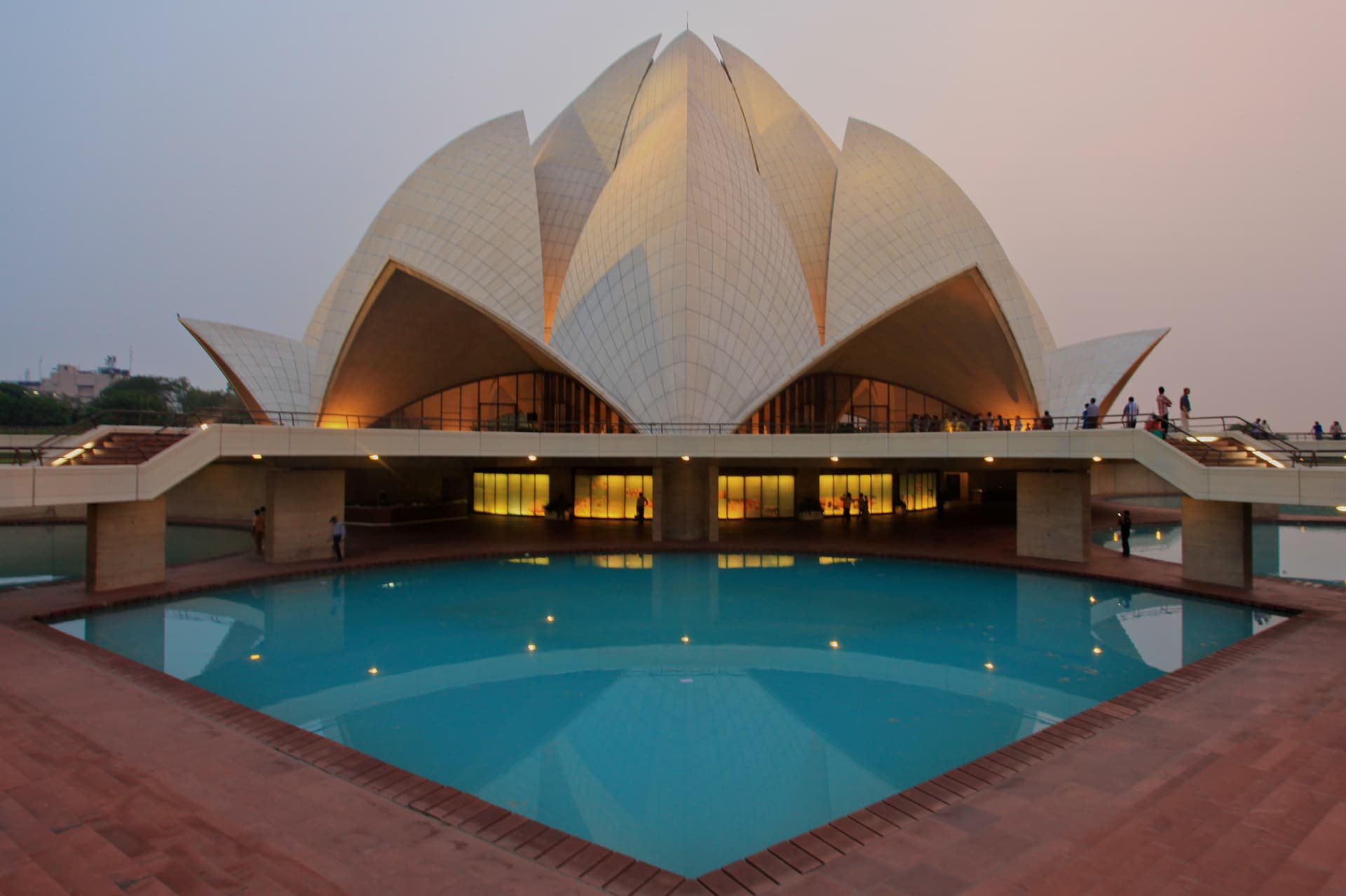
Architectural Significance: The Lotus Temple's unique design has won numerous architectural awards. The structure is made of white marble sourced from the Penteli mountain in Greece, and its petals create a stunning visual effect against the blue sky. The central hall, which can accommodate up to 2,500 people, is devoid of any idols, photographs, or religious symbols, emphasizing the Bahá'í faith's principle of unity and equality.
Garden and Surroundings: The temple is surrounded by nine ponds and extensive gardens, enhancing its beauty and providing a tranquil environment for visitors. The carefully manicured gardens are ideal for leisurely walks and offer a serene escape from the bustling city.
Spiritual Ambiance: The interior of the Lotus Temple is designed to foster an atmosphere of calm and reflection. The absence of sermons or rituals makes it a place for personal contemplation and prayer, welcoming visitors from all walks of life to experience peace and spiritual rejuvenation.
Nearby Attractions
Kalkaji Mandir: Located close to the Lotus Temple, Kalkaji Mandir is an ancient Hindu temple dedicated to the goddess Kali. It is a significant pilgrimage site and offers a glimpse into the religious diversity of the area.
Nehru Place: A major commercial hub, Nehru Place is just a short distance from the Lotus Temple. It is known for its electronic goods market, making it a popular spot for tech enthusiasts and shoppers.
Iskcon Temple: Situated about 2 kilometers from the Lotus Temple, the Iskcon Temple is a vibrant spiritual center dedicated to Lord Krishna. The temple complex includes a museum, a Vedic culture center, and a vegetarian restaurant.
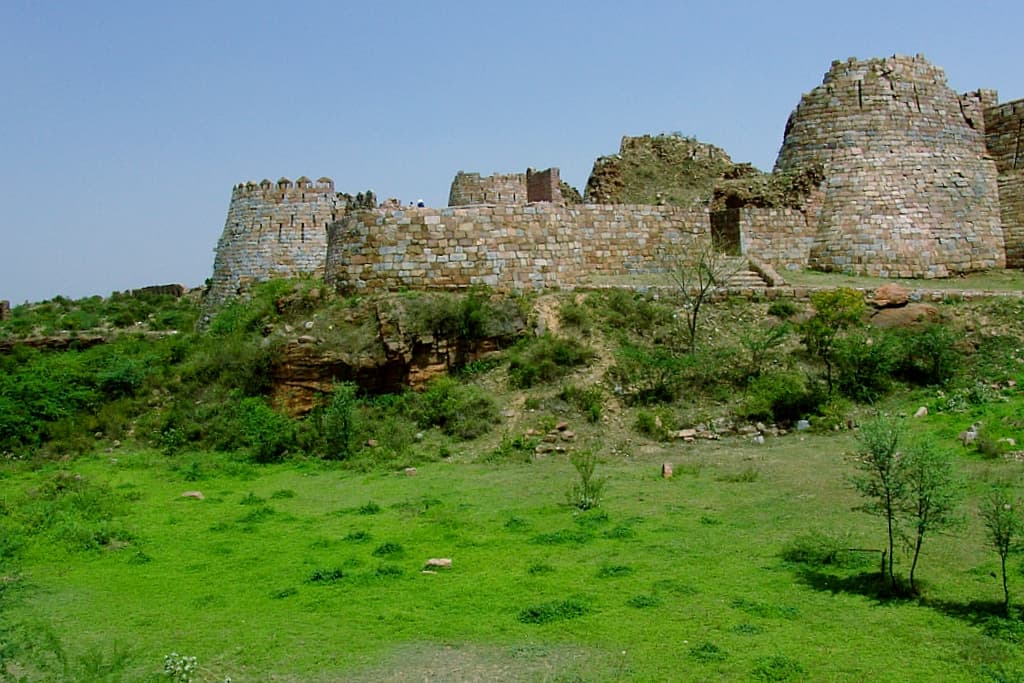
Tughlaqabad Fort: Approximately 6 kilometers from the Lotus Temple, Tughlaqabad Fort is a historic ruin dating back to the 14th century. It offers a fascinating insight into Delhi's medieval history and provides panoramic views of the city.
Greater Kailash: A posh residential and commercial area, Greater Kailash is known for its upscale boutiques, cafes, and restaurants. It is an excellent place to explore after a visit to the Lotus Temple.
Best Time to Visit
The best time to visit the Lotus Temple is during the cooler months from October to March. The weather during this period is pleasant, making it comfortable to explore the temple and its surrounding gardens. Visiting in the morning or late afternoon can also help avoid the midday heat and provide better lighting for photography. The temple is open from Tuesday to Sunday, with Monday being a holiday. Entry is free, and visitors are encouraged to maintain silence inside the temple to preserve its serene ambiance.

Leave the planning to a local expert
Conclusion
In New Delhi, the Lotus Temple is a shining example of both architectural beauty and spiritual harmony. Both residents and visitors should make time to visit this location because of its tranquil surroundings, distinctive lotus-shaped architecture, and unifying message. Regardless of their religious views, guests may find serenity and introspection in the temple's warm atmosphere.
Discovering the Lotus Temple is a multidimensional experience that blends natural beauty, spiritual profundity, and amazing architecture. The adjacent sites enhance the experience even further by offering chances to explore Delhi's rich cultural and historical background.