Qutab Minar
Overview
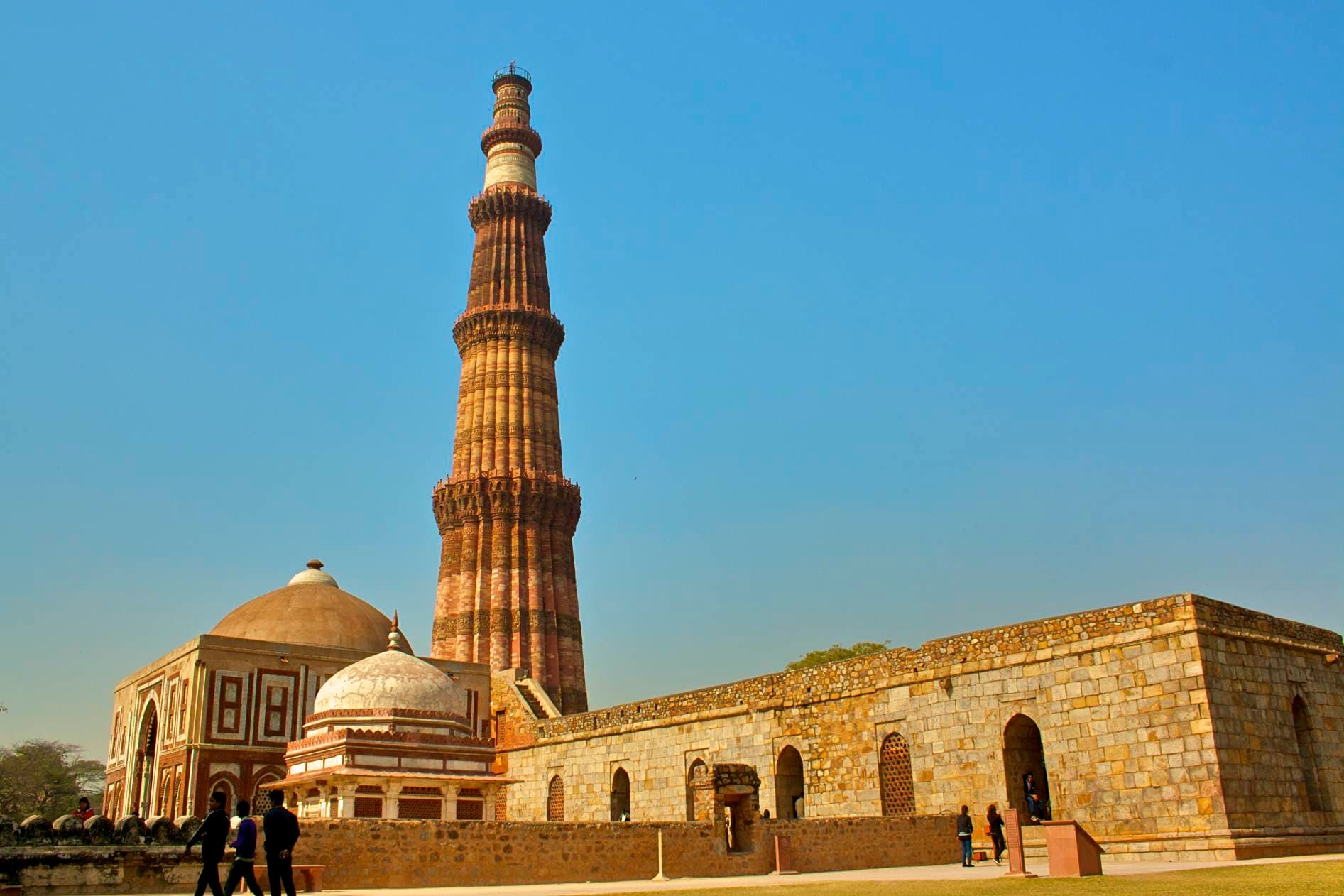
One of India's most famous historical sites, Qutub Minar, is situated in the Mehrauli neighbourhood of New Delhi and is recognised as a UNESCO World Heritage Site. Qutb-ud-din Aibak, the first king of the Delhi Sultanate, constructed this imposing minaret in the early 13th century. It is renowned for both its architectural beauty and historical significance.
Label: Must visit
How to reach: Bike, bus, taxi, auto
Timings: 7:00 AM to 5:00 PM
Time Required: 2 hours
Entry Fee: INR 35 for Indians and INR 550 for Foreigners
Key Features
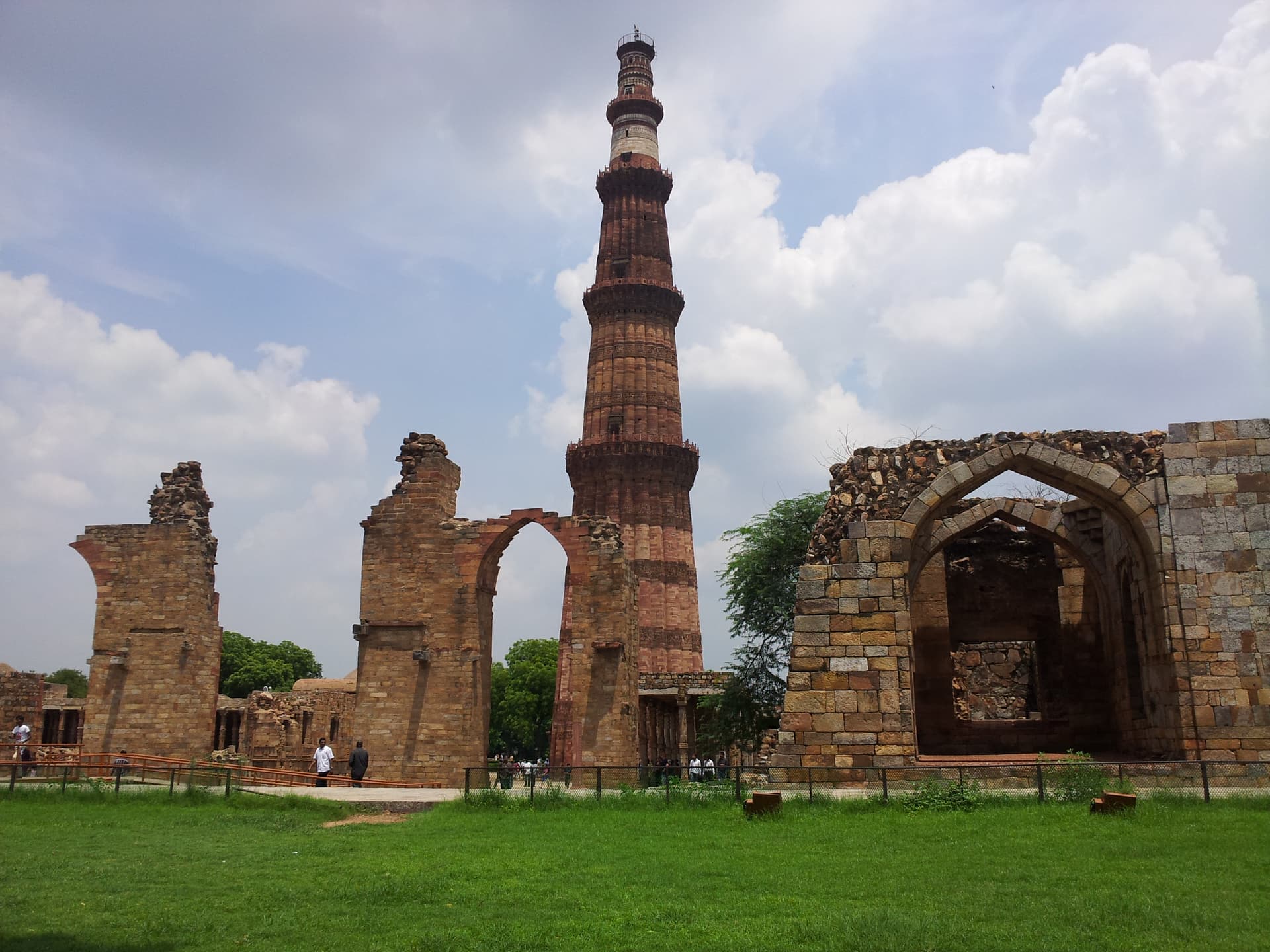
Architectural Brilliance:
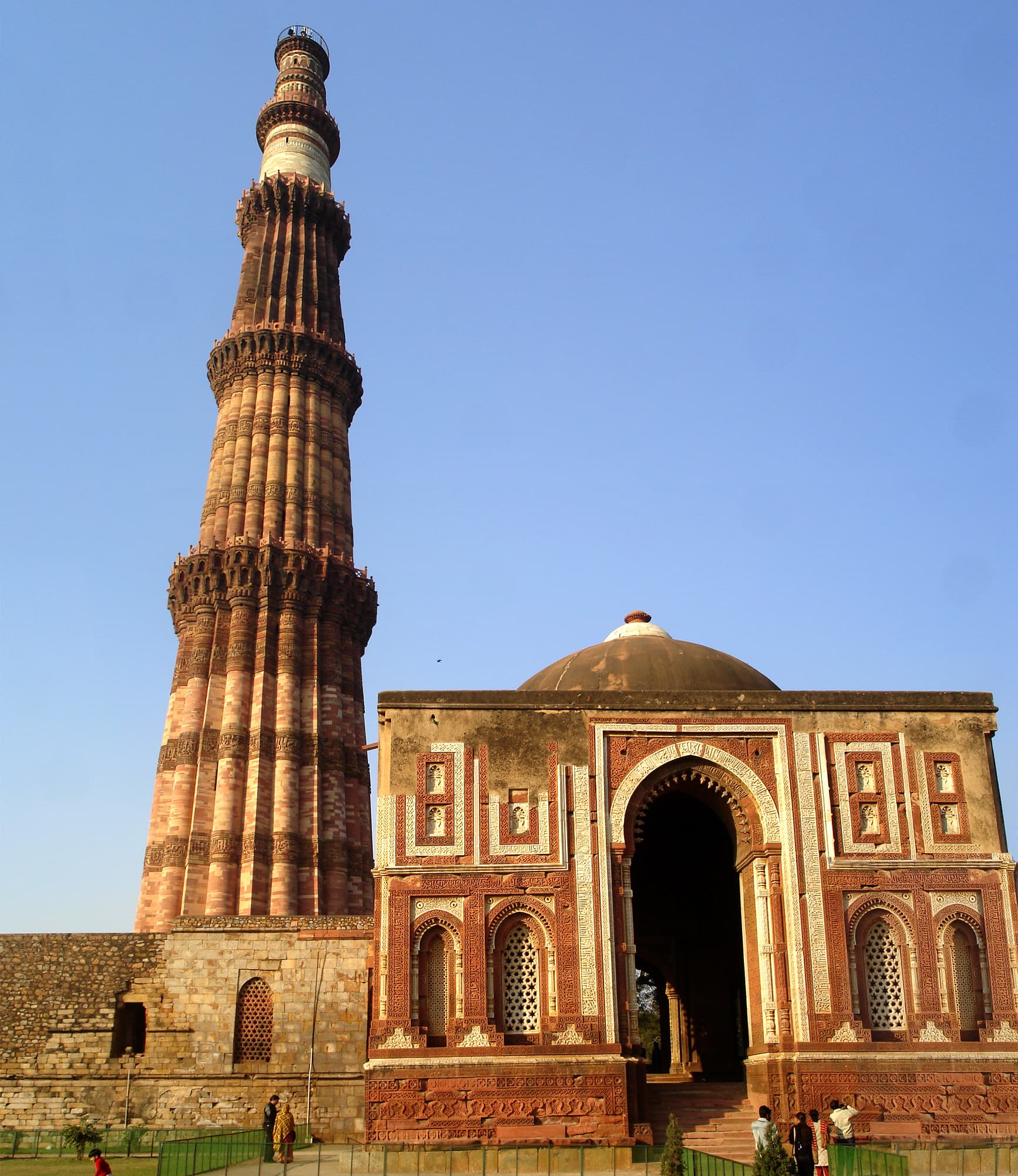
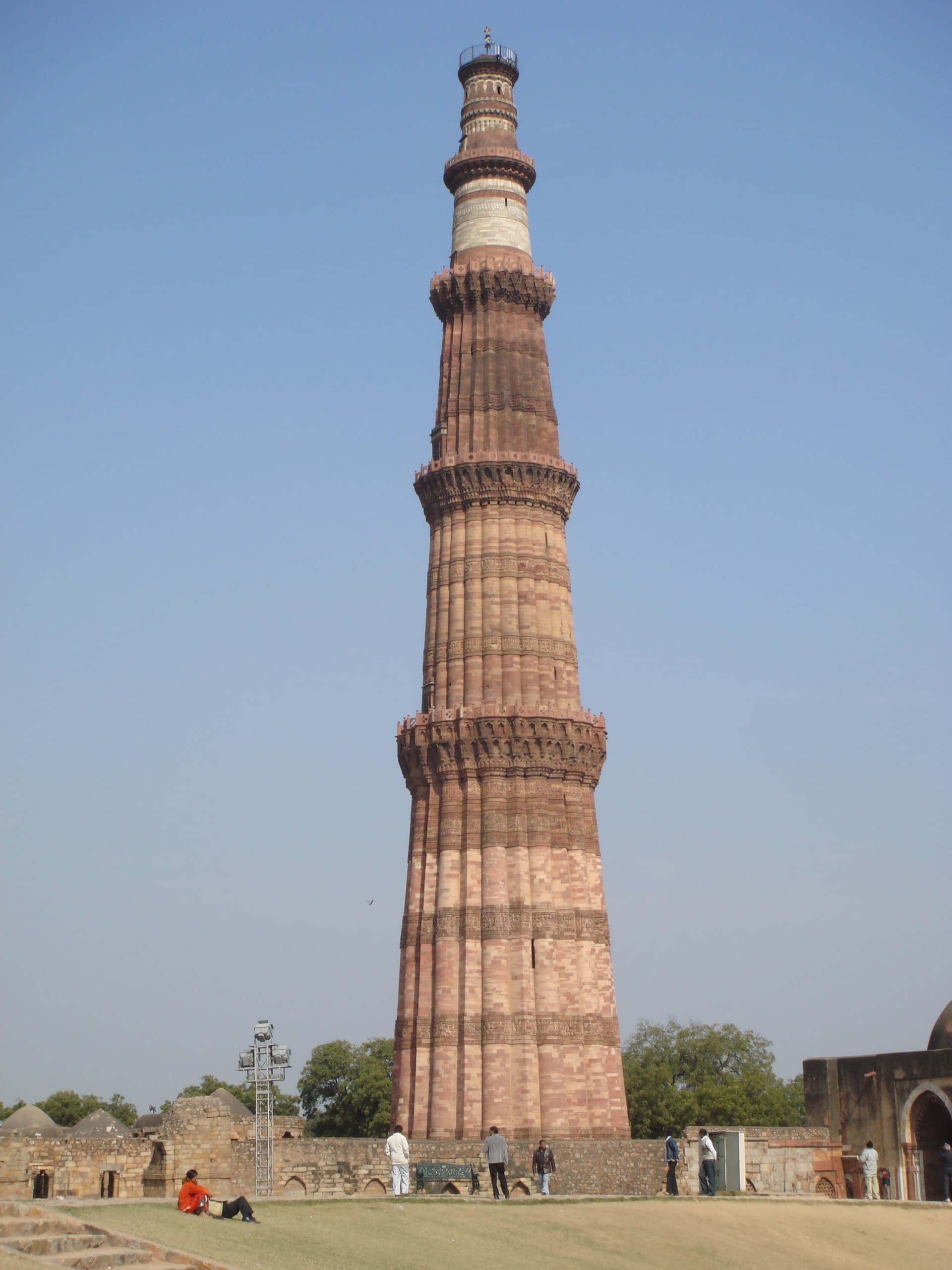
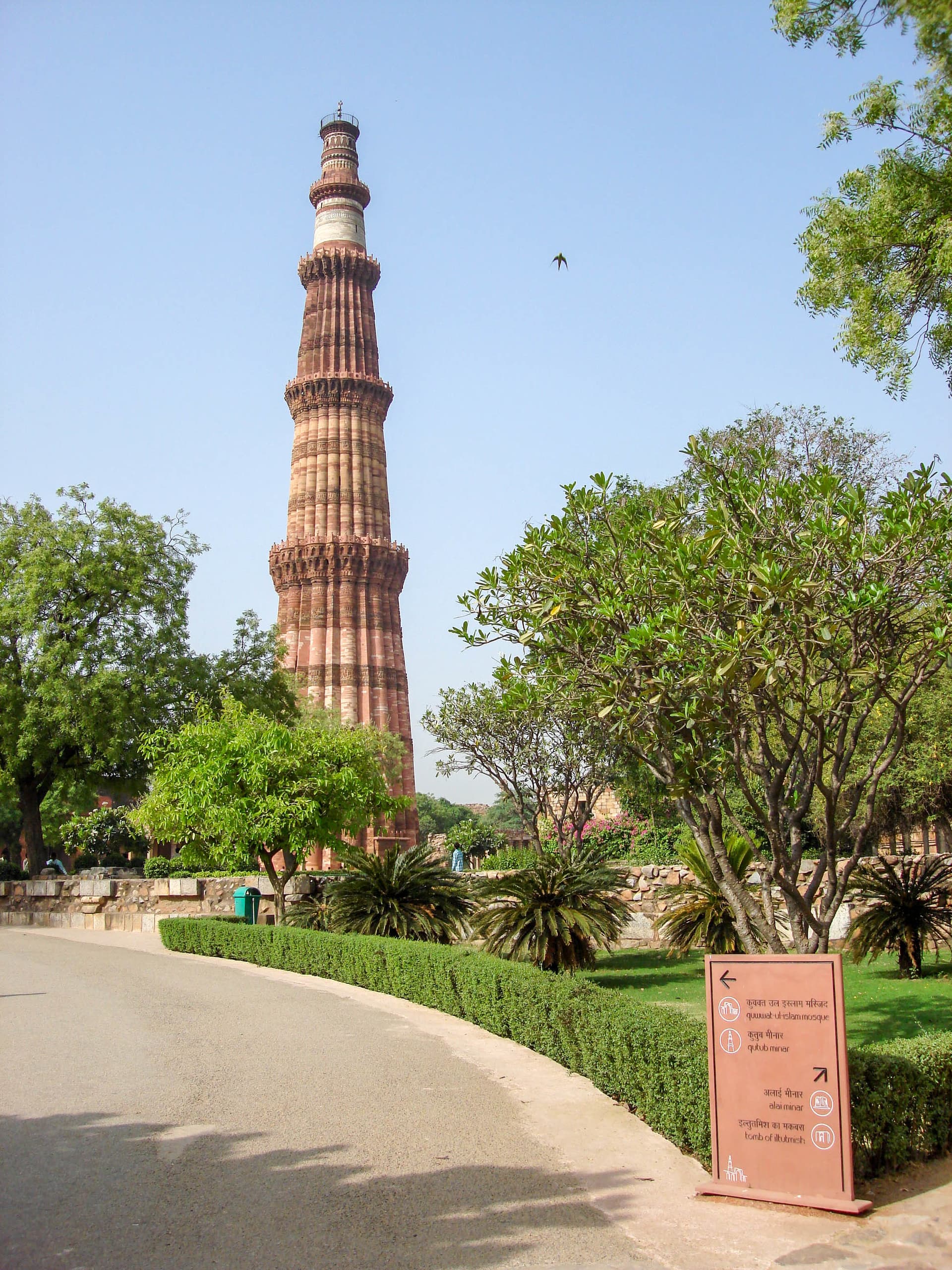
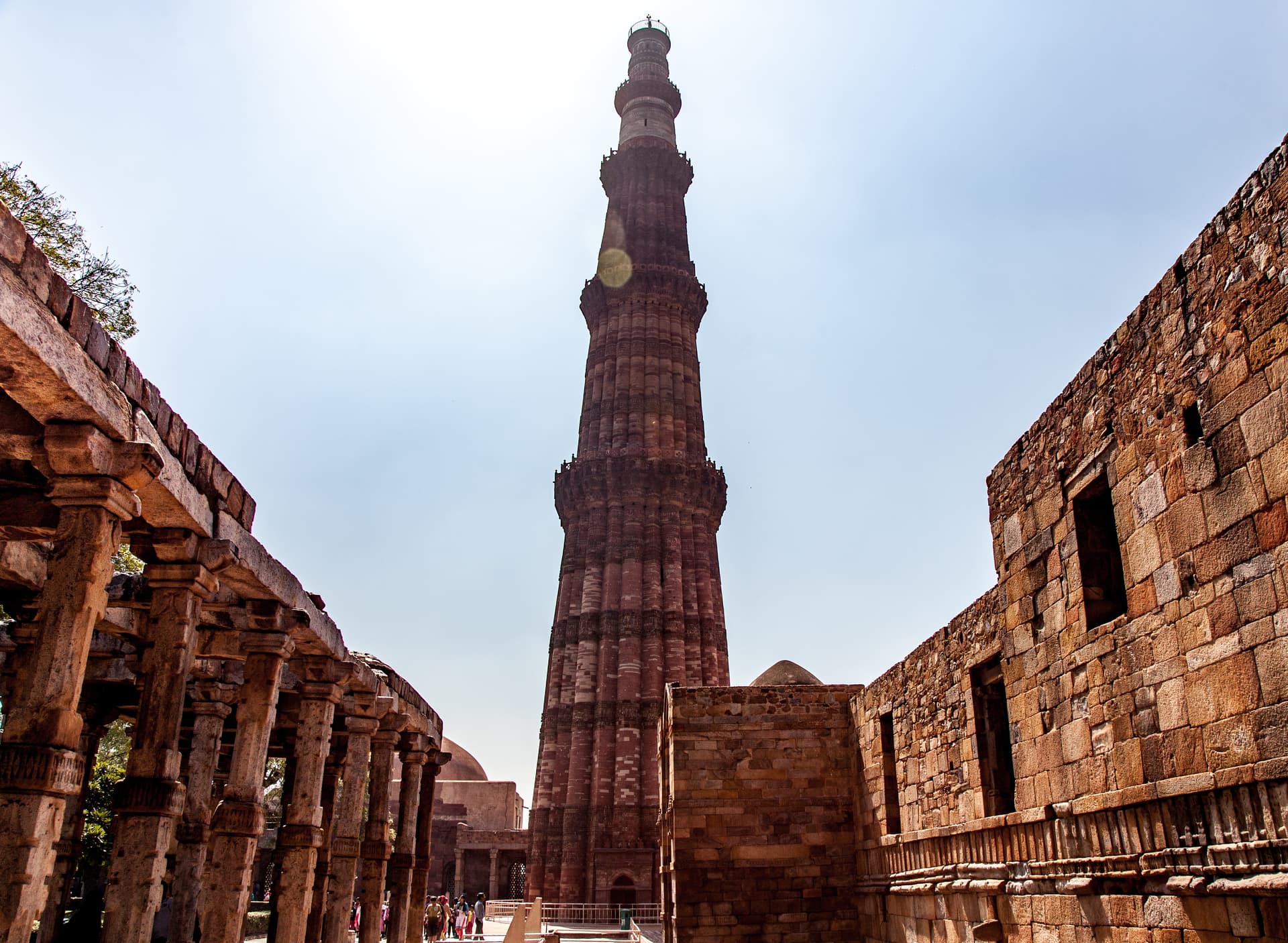
- Height and Structure: Standing at 73 meters (240 feet), the Qutub Minar is the tallest brick minaret in the world. It comprises five distinct stories, each marked by a balcony and intricately carved patterns.
- Material and Design: Constructed primarily of red sandstone, the minaret features ornate carvings and inscriptions from the Quran. The uppermost floors are adorned with bands of marble, showcasing a blend of different architectural styles and techniques.
- Architectural Features: The minaret has a cylindrical shape and tapers as it ascends. It is decorated with intricate calligraphy, geometric patterns, and floral motifs, reflecting the artistry of the period.
- Surrounding Structures: The Qutub Minar complex includes several other significant monuments, such as the Quwwat-ul-Islam Mosque, the Iron Pillar, and the Tomb of Iltutmish. The Iron Pillar, known for its rust-resistant properties, dates back to the 4th century and adds to the historical intrigue of the site.
Historical Significance: The Qutub Minar was originally constructed to celebrate the victory of the Muslim rulers over the Hindu rulers of Delhi and to serve as a minaret for the adjacent mosque. It also symbolizes the beginning of Muslim rule in India.
Nearby Attractions
Qutub Complex:
- Quwwat-ul-Islam Mosque: Adjacent to the Qutub Minar, this mosque is one of the oldest in India, built using materials from demolished Hindu temples.
- Iron Pillar: Located within the Qutub Complex, this 7-meter-tall pillar is renowned for its resistance to rust despite being over 1,600 years old.
- Tomb of Iltutmish: The tomb of Iltutmish, the third ruler of the Delhi Sultanate, is a fine example of early Islamic architecture in India.
Mehrauli Archaeological Park:
- Nearby Park: Located just a short distance from the Qutub Minar, this park contains several ancient ruins and is a great place for a leisurely walk and exploration of Delhi's historical heritage.
Humayun’s Tomb:
- UNESCO Site: Approximately 15 kilometers from the Qutub Minar, Humayun's Tomb is another UNESCO World Heritage Site and a significant example of Mughal architecture.
Lotus Temple:
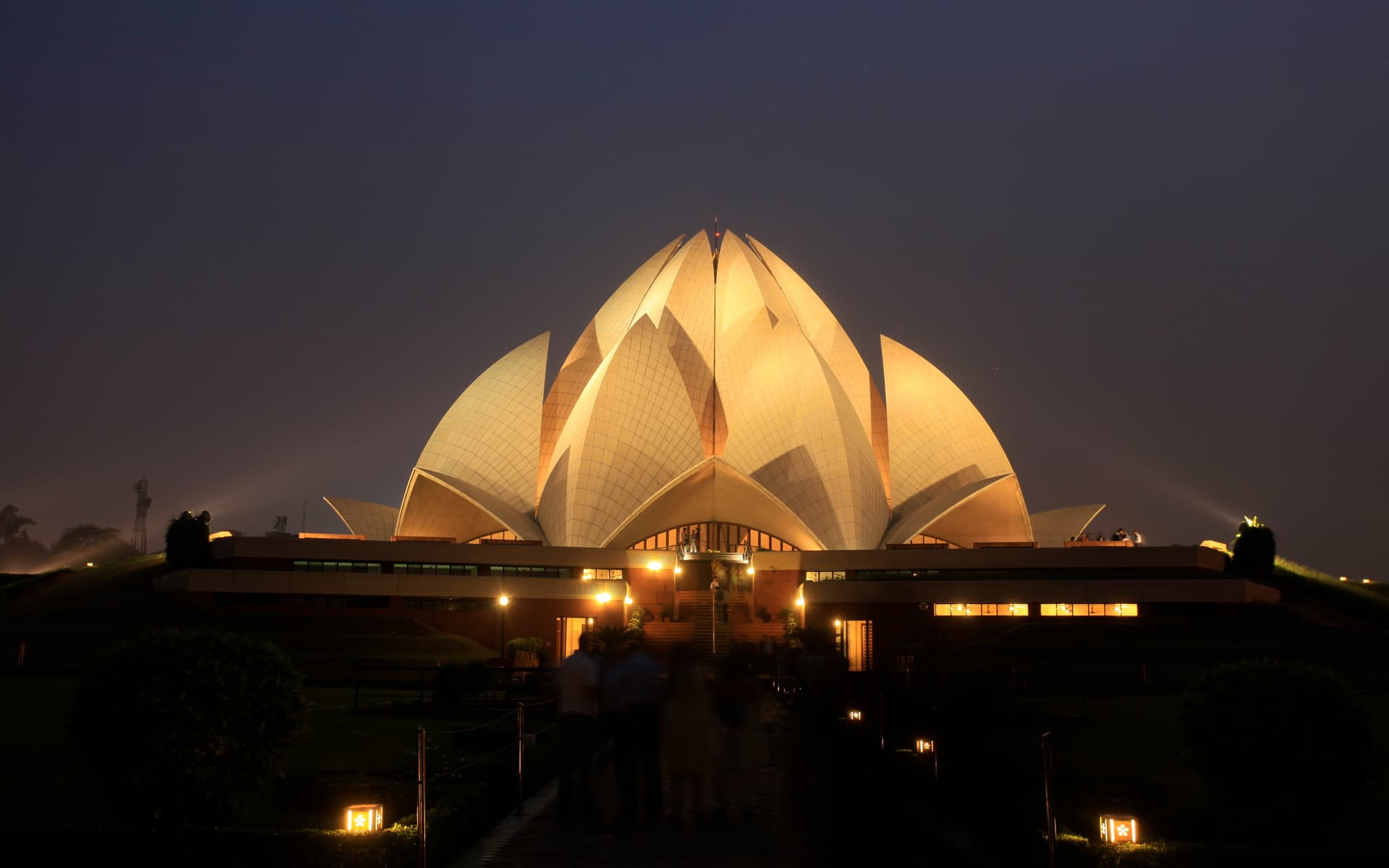
- Modern Landmark: Around 12 kilometers away, the Lotus Temple is known for its unique lotus-shaped design and offers a serene place for meditation and reflection.
Best Time to Visit
The best time to visit Qutub Minar is between October and March, when the weather is cooler and more comfortable for outdoor exploration. Delhi's summer months can be extremely hot, making sightseeing challenging. During the cooler months, the pleasant weather enhances the experience of exploring the minaret and its surrounding monuments.
Visiting Hours: Qutub Minar is open to visitors daily except for Fridays. The site is typically open from sunrise to sunset. It is advisable to check for any specific opening times or potential closures before planning your visit.

Leave the planning to a local expert
Conclusion
Qutub Minar stands as a testament to India's rich historical and architectural heritage. Its towering presence, intricate carvings, and historical significance make it a must-visit landmark for anyone interested in exploring the depths of India's past. The surrounding Qutub Complex, with its blend of Islamic and Hindu architectural elements, adds to the historical narrative of the site.
In conclusion, a visit to Qutub Minar offers not just a glimpse into medieval architecture but also an opportunity to connect with India’s diverse historical tapestry. Its remarkable design, historical importance, and the surrounding attractions make it a significant destination for travelers and history enthusiasts alike.