Humayun's Tomb
Overview
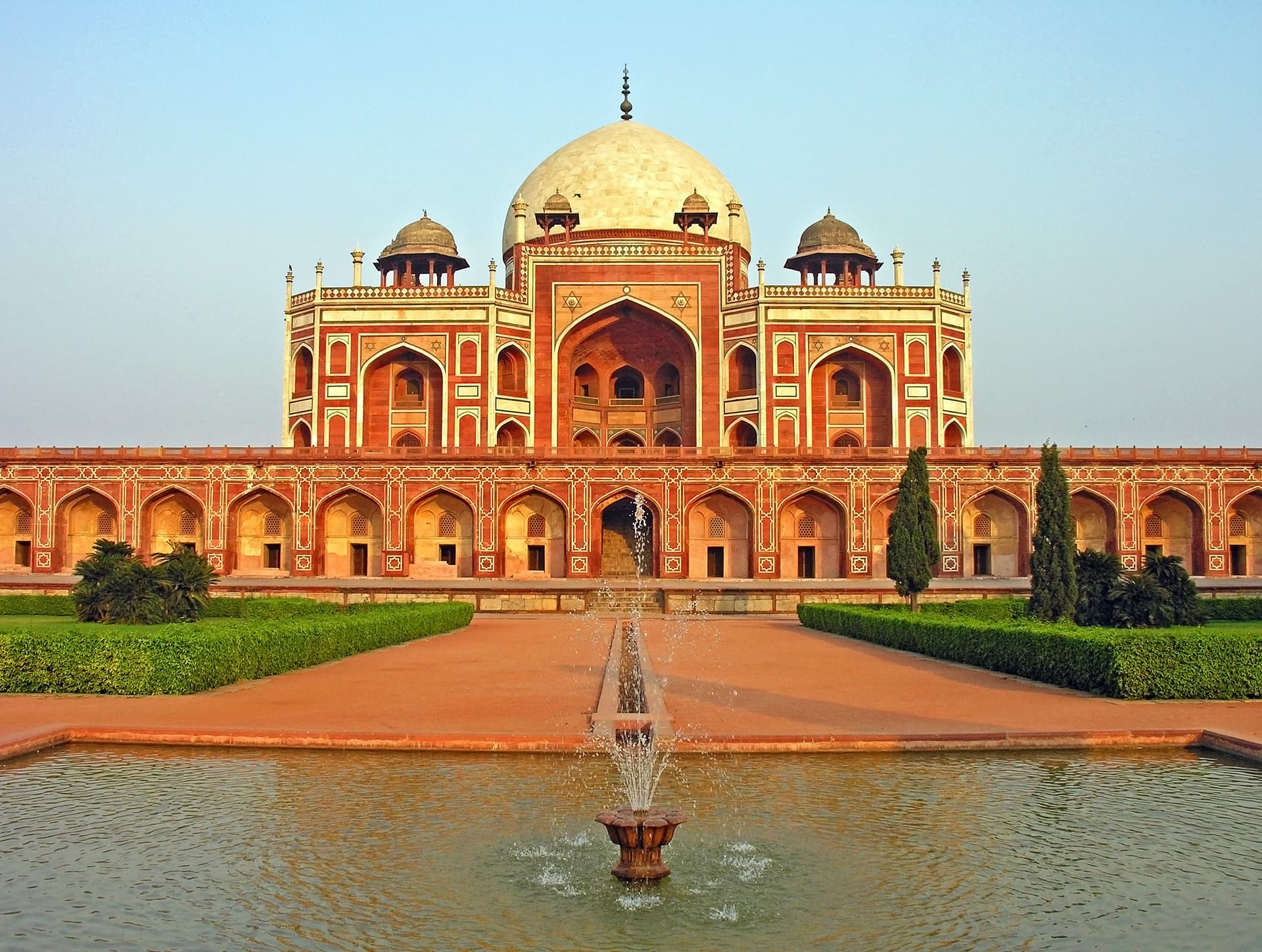
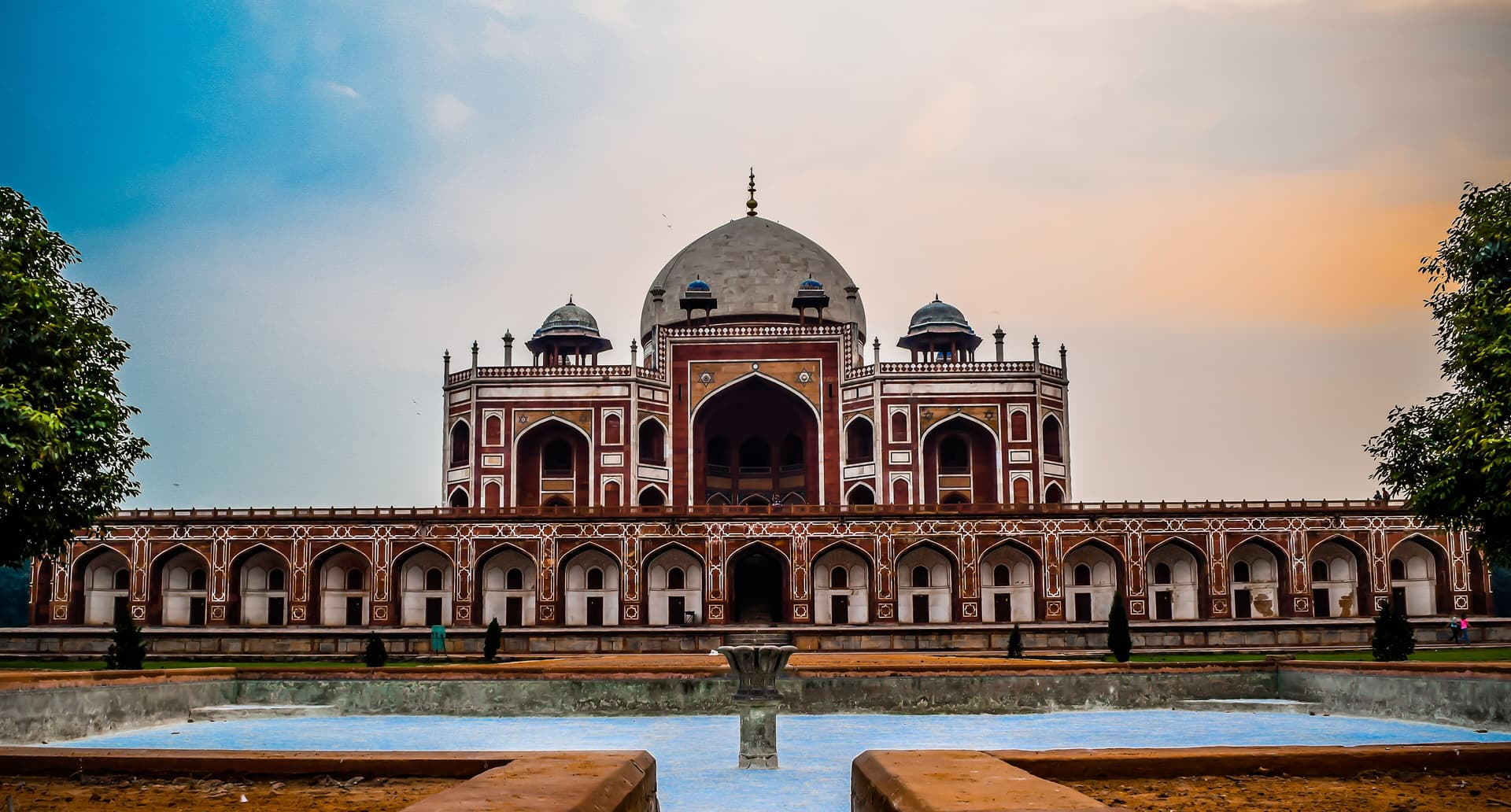
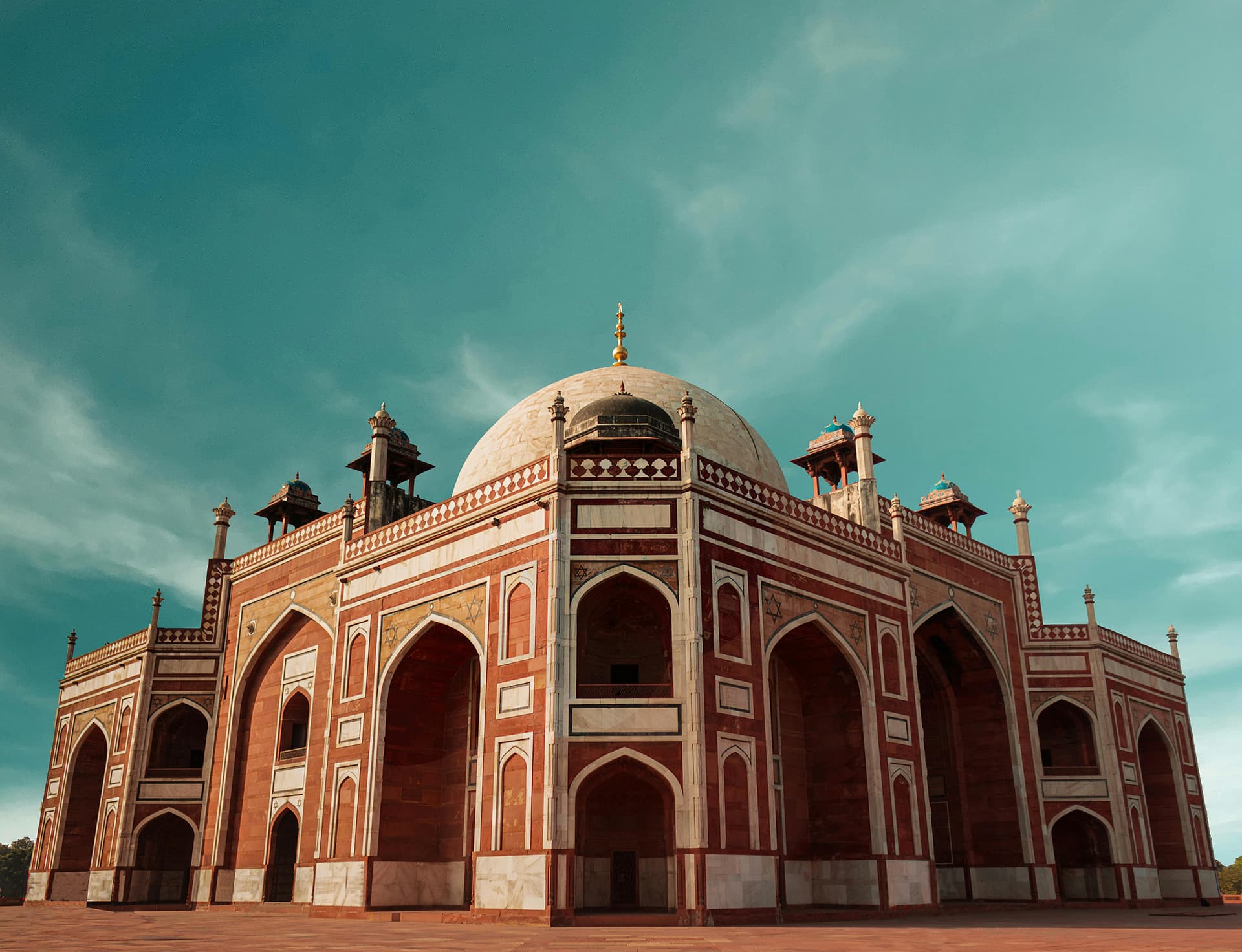
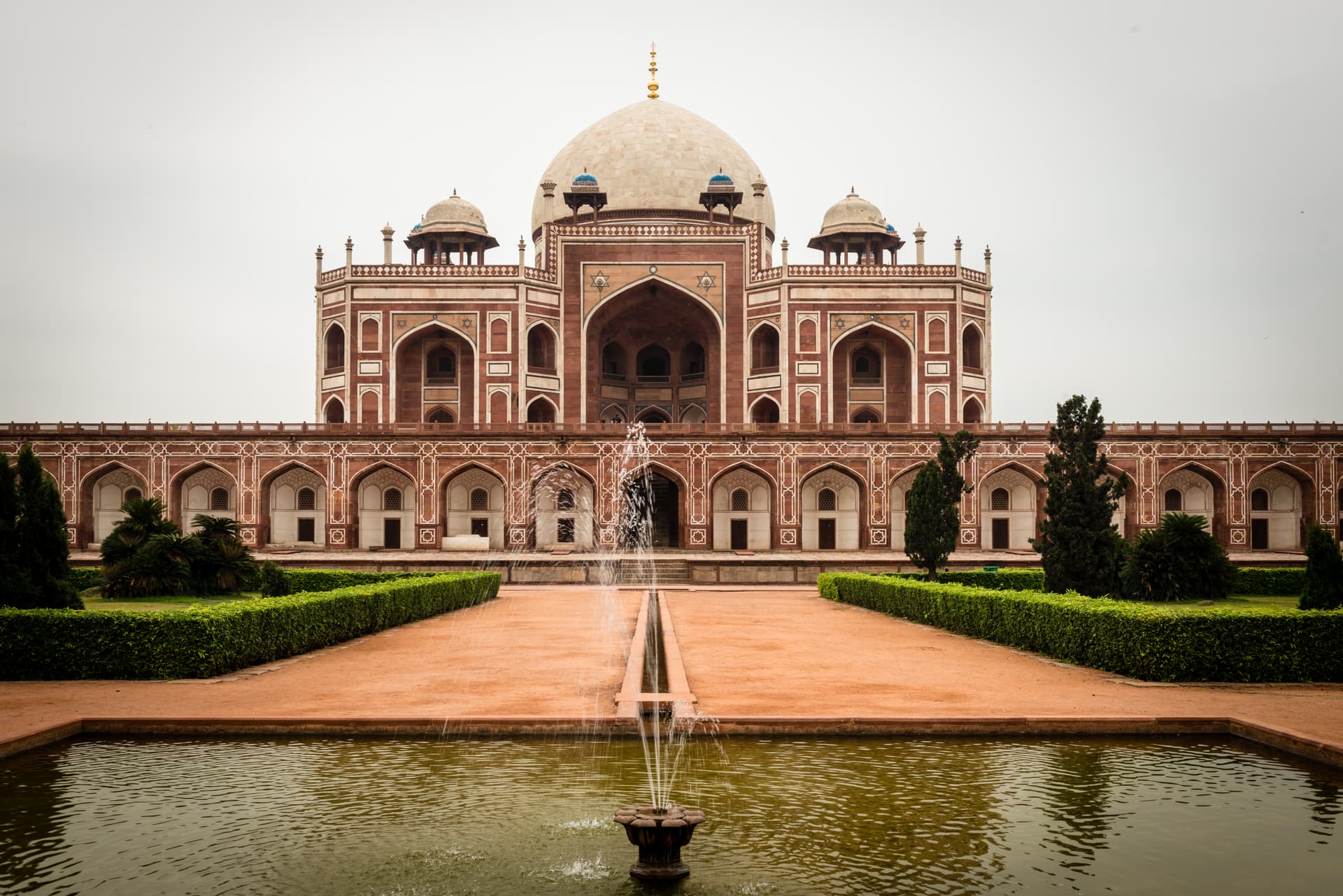
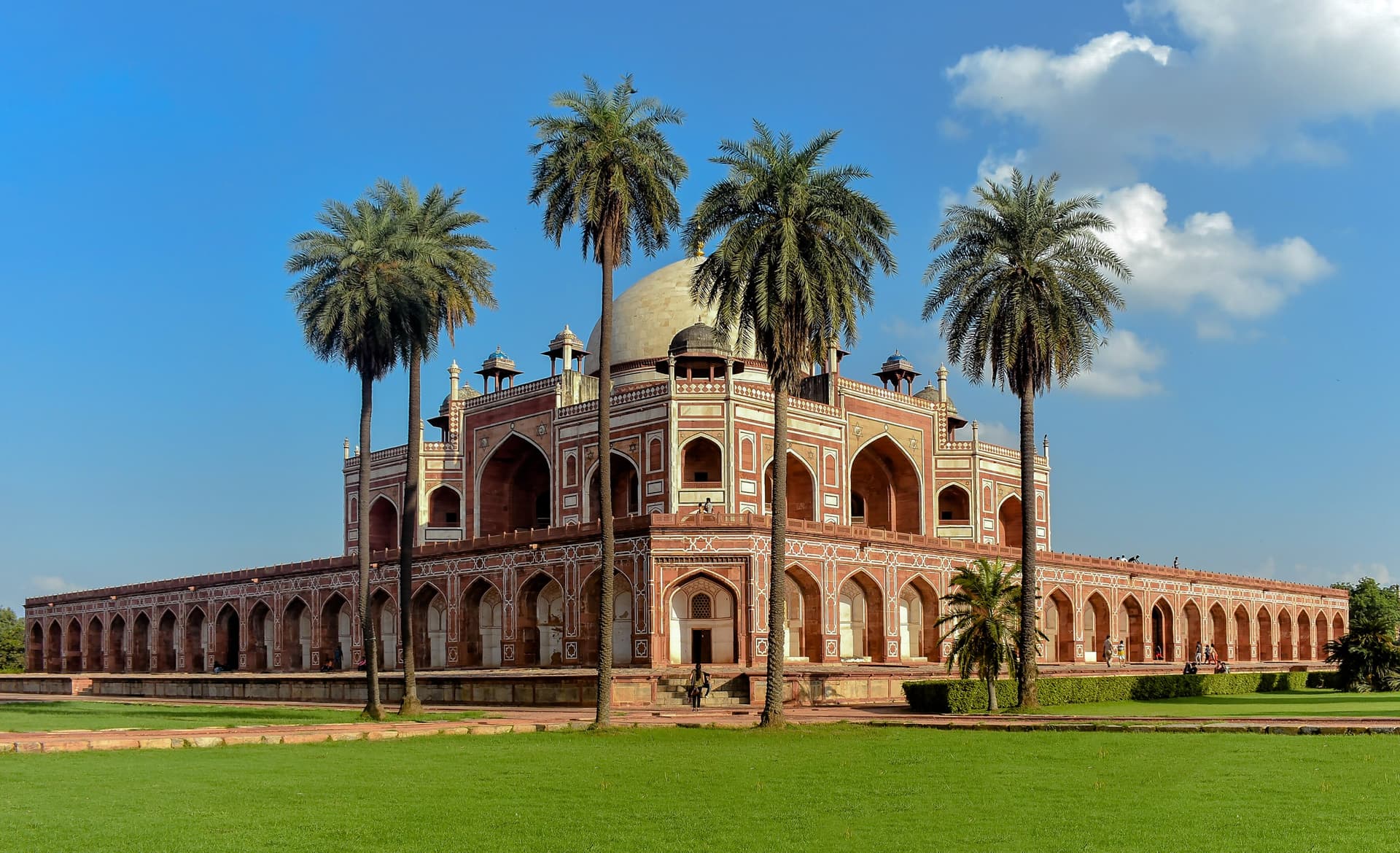
A UNESCO World Heritage Site, Humayun's Tomb is a magnificent example of Mughal architecture situated in the centre of New Delhi. This magnificent mausoleum, which was commissioned in 1569–1570 by Empress Bega Begum, the widow of Humayun, is considered a forerunner of the later Mughal style that is typified by the Taj Mahal. The mausoleum was created by Persian architect Mirak Mirza Ghiyas and combines Turkish, Indian, and Persian architectural elements.
Label: Must visit
How to reach: Bike, bus, taxi
Timings: 6:00 AM to 6:00 PM
Time Required: 2 hours
Entry Fee: INR 35 for Indians and INR 500 for Foreigners
Key Features
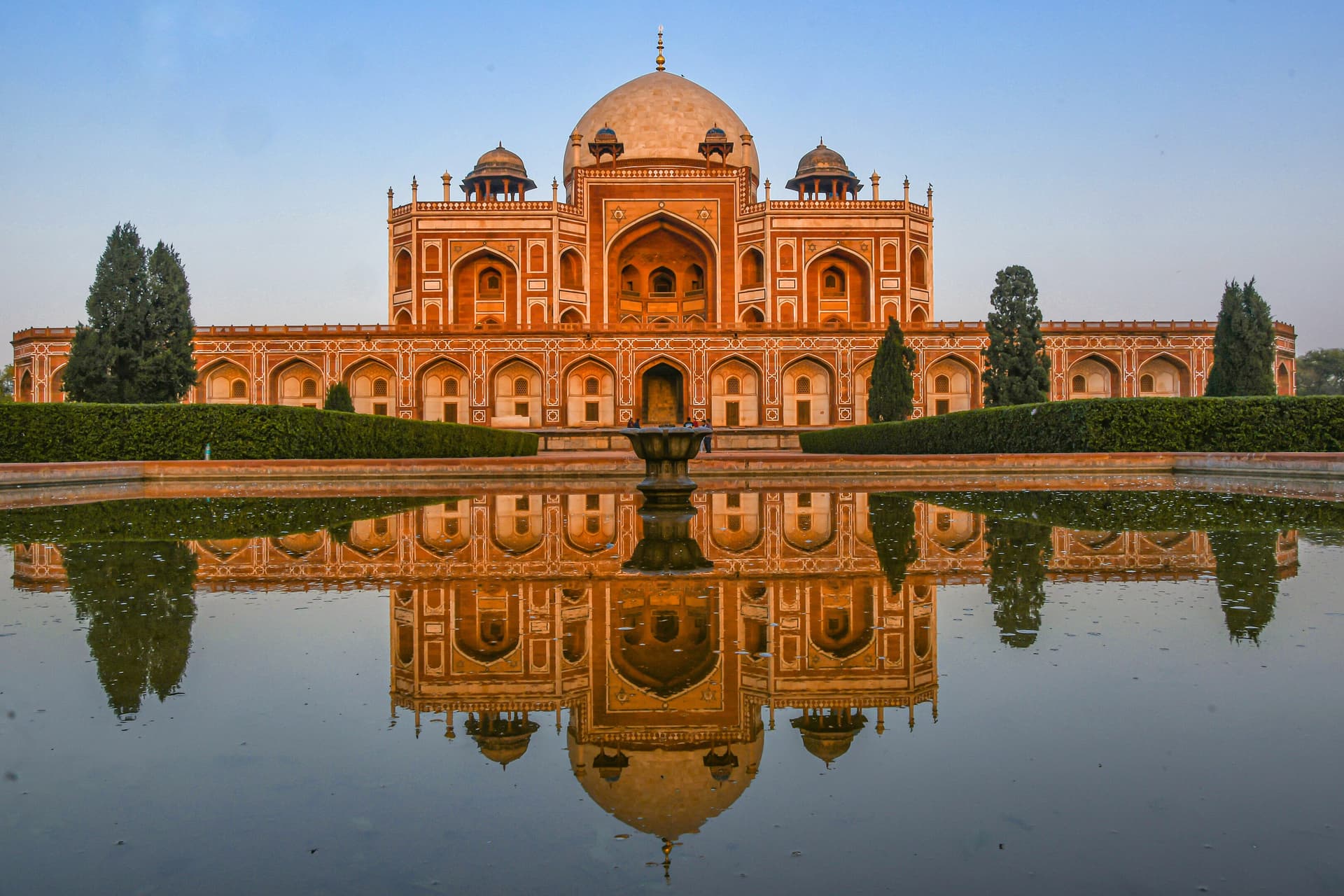
Architectural Significance: Humayun's Tomb is known for its impressive double dome, intricate lattice work (jali), and expansive charbagh (four-quadrant) gardens, which are divided by water channels and pathways. The main tomb, constructed from red sandstone and white marble, sits on a large plinth and features a high, arched entrance. The central chamber, which houses Humayun's cenotaph, is octagonal and surrounded by smaller chambers, many of which contain the graves of other Mughal royals.
Charbagh Gardens: The gardens surrounding Humayun's Tomb are one of the earliest examples of Persian-style charbagh in India. These meticulously designed gardens are divided into four parts by walkways and water channels, symbolizing the four rivers of paradise described in the Quran.
Additional Structures: Within the complex, several other significant structures are found, including the tombs of Humayun's wife, Bega Begum, and Isa Khan Niyazi, an Afghan noble in Sher Shah Suri's court. The Isa Khan tomb, predating Humayun's tomb, is a notable example of Lodi-period architecture.
Nearby Attractions
Nizamuddin Dargah: Close to Humayun's Tomb is the Nizamuddin Dargah, the mausoleum of the revered Sufi saint Hazrat Nizamuddin Auliya. It is a place of spiritual significance and attracts devotees from across the country.
Sunder Nursery: Adjacent to Humayun's Tomb, Sunder Nursery is a 90-acre heritage park that offers a peaceful retreat with its beautifully landscaped gardens, restored monuments, and rich biodiversity.
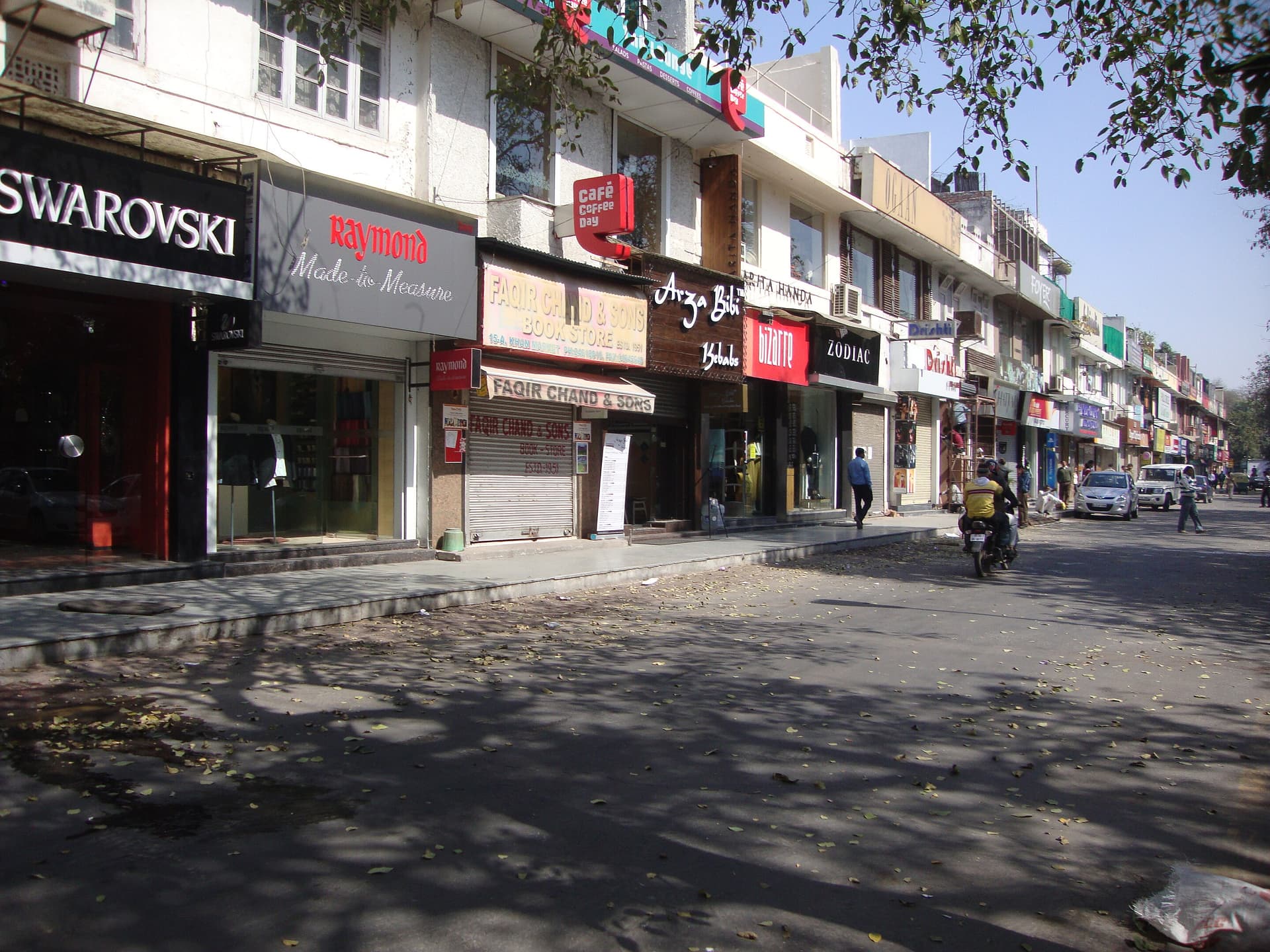
Khan Market: A short drive from Humayun's Tomb, Khan Market is one of Delhi's most upscale shopping districts. It is known for its high-end boutiques, bookstores, cafes, and restaurants.
Lodhi Gardens: Located a few kilometers away, Lodhi Gardens is another beautiful historical park, home to several tombs from the Lodi and Sayyid dynasties, making it a popular spot for picnics, jogging, and photography.
India Gate: Approximately 5 km from Humayun's Tomb, India Gate is a prominent war memorial and a popular spot for evening outings and picnics.
Best Time to Visit
The months of October through March are the coolest times of year to visit Humayun's Tomb. This time of year is perfect for touring the gardens and the nearby sites because of the nice weather. Your experience will be enhanced if you visit in the early morning or late afternoon, when the temperature is more comfortable and the red sandstone edifice is bathed in a wonderful glow from the mild sunshine.

Leave the planning to a local expert
Conclusion
In addition to being a monument, Humayun's Tomb serves as a representation of the rich architectural and cultural legacy of Mughal India. It is a must-see location for anybody visiting New Delhi because of its opulent architecture, verdant gardens, and historical significance. The mausoleum is a reminder of Empress Bega Begum's deep affection and respect for her husband. It also provided architectural influence for other Mughal buildings, such as the Taj Mahal.
Visitors may get a sense of the Mughal era's magnificence by exploring Humayun's Tomb, whose elaborate structures and vast gardens provide a calm and contemplative atmosphere. The experience is further enhanced by the neighbouring attractions, which let guests explore Delhi's historical and cultural landscape in greater detail.