Culture
The Spitians - Syncretism within Buddhism and Hinduism
3 min
10th July 2024
 by Shethana P
The co-existence of Hinduism and Buddhism
Spiti Valley is known for its beautiful views, the shadowing effect of the mountains - the Himalayas, and fulfilling adventure. With all these Spiti is also known for its holiness, the religious practices with the combination of two different religions - Hindus and Buddhas. Well, this is the highlighted part of Spiti Valley. Visitors can rejuvenate and relax their mind, body, and soul. The local people living here are influenced by the ‘Guru Padmasambhava’ according to Hinduism and old monks who lived ages ago following Buddhism. No place in India offers you this sync between the gods and beliefs among the spitians. There is an equal number of monasteries and temples to visit and seek the blessings of ancestors to bring joy in all aspects of life. Let’s dive deep into how these religions merge and work together!
Influence of Buddhism
Buddhism has a profound and pervasive presence in Spiti Valley, with its roots tracing back to the 8th century when Guru Padmasambhava introduced the religion to this region. The valley is dotted with ancient monasteries that serve as centers of Buddhist learning and practice, making it a significant pilgrimage site for Buddhists from around the world. While the top priority monasteries are -
Key monastery
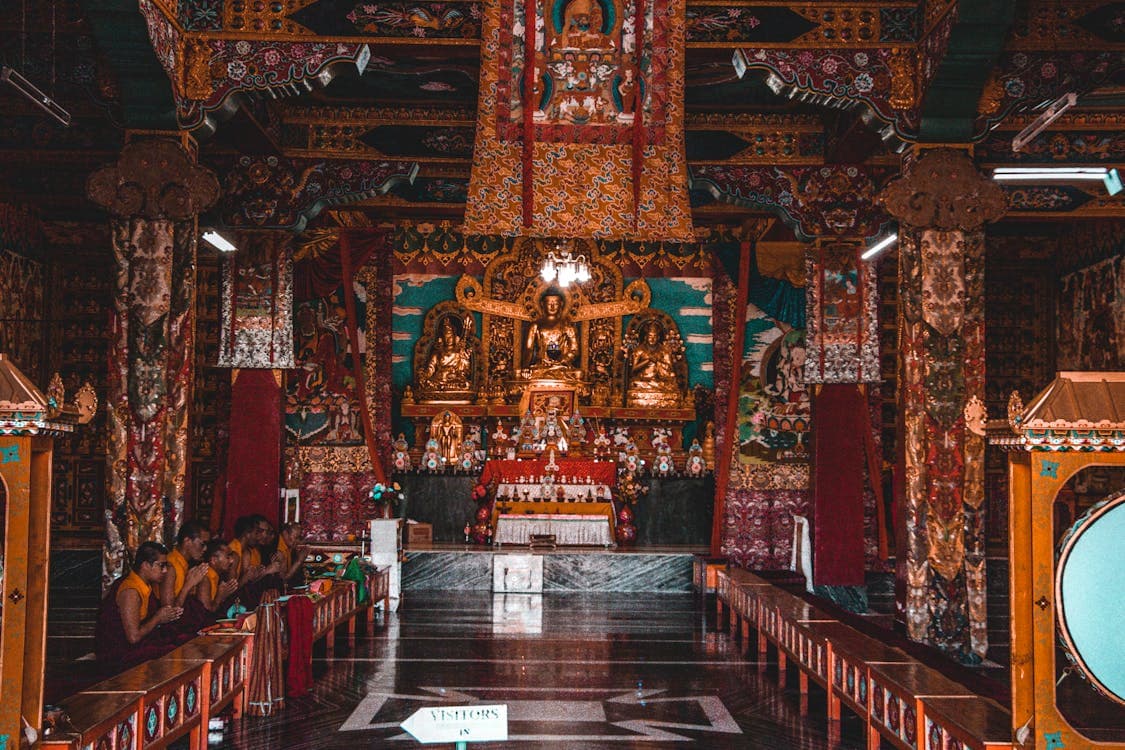
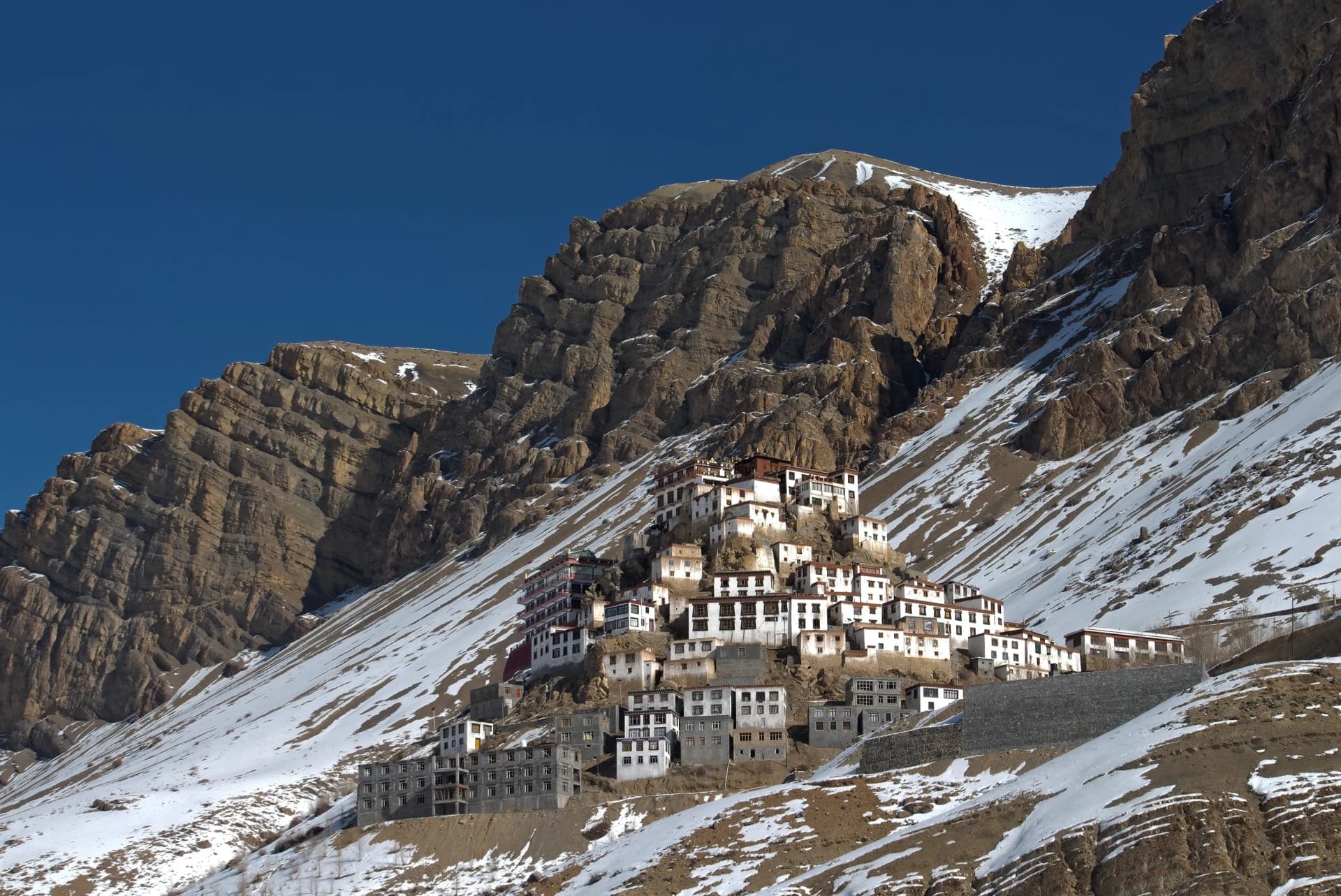
This site offers numerous prayer rooms for visitors to meditate, a large assembly hall, and ancient murals and thangkas. Key Monastery is home to around 300 monks, practicing religious rituals. The members also host various festivals like the annual Chaam festival, during traditional masked dances. With all these happening in the Key Monastery it remains a Tibetan Buddhist heritage, reflecting the legacy of Buddhism in the Himalayan region.
Tabo monastery
Established in 996 AD by the Buddist King Yeshe-O who was the king of the Western Himalayan - Kingdom of Guge. This place is often called the “Ajanta of the Himalayas” due to the presence of murals and stucco sculptures. Accessible via road from Kaza, Tabo Monastery is a significant pilgrimage and tourist destination. Despite facing conservation challenges due to its age and harsh environmental conditions, efforts are ongoing to preserve its artistic and architectural heritage. Tabo Monastery remains a testament to the enduring legacy of Tibetan Buddhism in the Himalayas.
Dhankar Monastery
The monastery consists of traditional Tibetan architecture, built with mud and stone, and includes ancient temples and meditation caves. This monastery can be reached by road from Kaza. However, the monastery faces conservation challenges due to its age, harsh environmental conditions, and the erosion of the cliff on which it stands. Ongoing efforts aim to preserve this remarkable cultural heritage site.
The touch of Hinduism
While Buddhism dominates the spiritual landscape of Spiti, Hinduism also holds a significant place, particularly in the lower regions of the valley. The intermingling of Hindu and Buddhist traditions is evident in the shared festivals, rituals, and folklore. Key Hindu Sites:
Leave the planning to a local expert
Trilokinath Temple
Located near the village of Tunde, Trilokinath Temple is revered by both Hindus and Buddhists. For Hindus, it is a temple dedicated to Lord Shiva, while Buddhists associate it with Arya Avalokiteshvara. This dual significance makes it a unique symbol of religious harmony.
Kunzum Mata Temple
At the Kunzum Pass, which connects the Kullu and Lahaul valleys with Spiti, stands the Kunzum Mata Temple. Travelers and pilgrims stop here to seek blessings for a safe journey. The temple is dedicated to Goddess Durga and showcases the blend of Hindu and Buddhist practices.
Unity in diversity
Concluding this with meaningful insight, the coexisting nature of these religions sets the best example for everyone to NOT divide people based on their religion, caste, or any other dividend aspects instead stay united for the well-being of oneself and the country. India is the only country that exists with a combination of religions and each citizen should be proud of it. Well, people celebrate all the festivals, explore all forms of art, and believe and practice all the rituals for the goodness of people living here.