Blog
An Aromatic Journey through Munnar’s Famous Spice Gardens and Tea Plantations
5 minutes
18th May 2024
 by Renuka Chandrashekar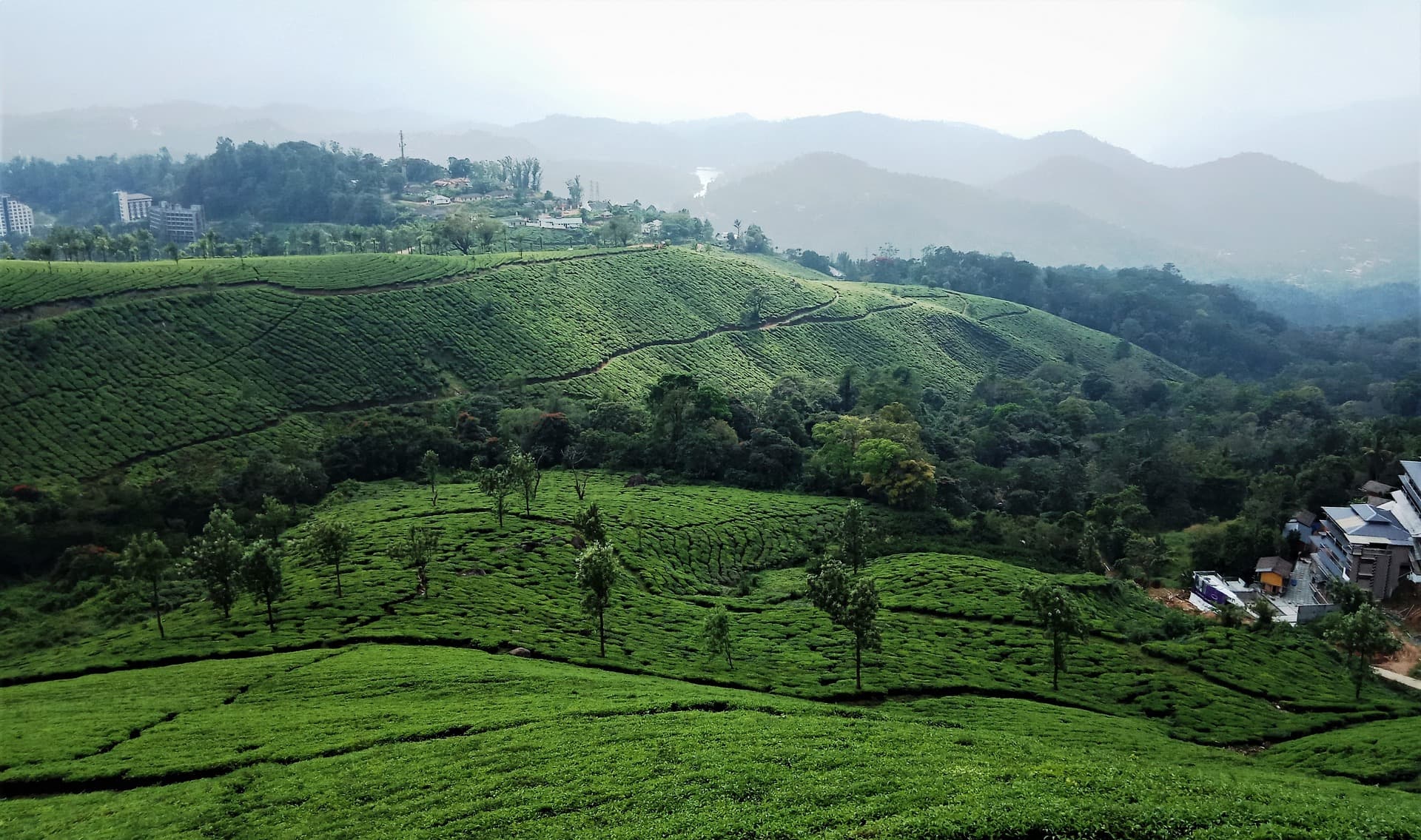
Tea and spices - The taste of Munnar
Munnar is a picturesque hill station located in “God’s own country”, Kerala. Nestled in the Western Ghats of South India, Munnar is famous for its lush greenery, vibrant tea plantations, cascading waterfalls, and aromatic spice gardens. Take a walk through the vibrant tea plantations while immersing yourself in Munnar's natural beauty. Take in the serenity and breathe in the symphony of fragrances as you walk through the spice gardens of Munnar.
SPICE GARDENS
Let us take a look at the famous spice plantations of Munnar and uncover the benefits of spices grown here.
Cinnamon Gardens Spices Plantation
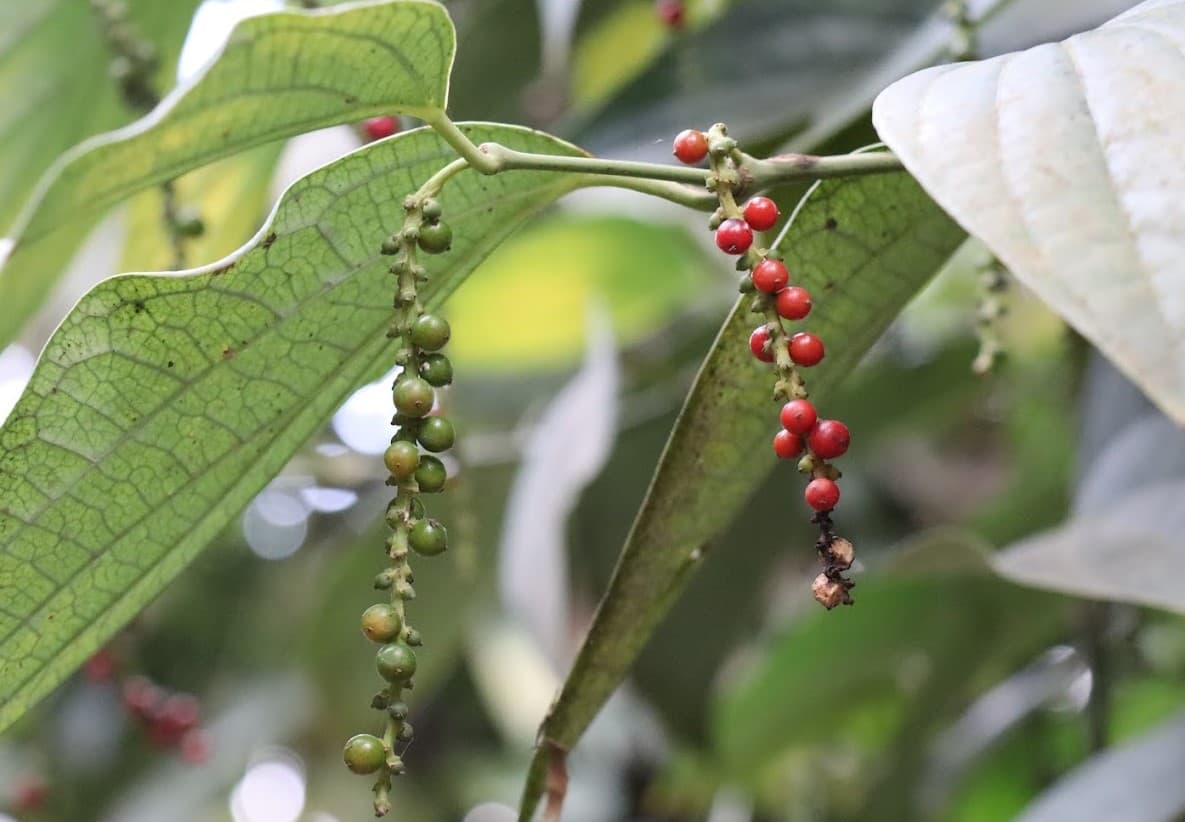
Spice plants - Courtesy of Photographer
Cinnamon Gardens is located just 13 km off Munnar on National Highway 49. It is a famous spice garden in Munnar and is home to a variety of plants and trees. Even though the name only has cinnamon in it, there are various spice plants in the garden. There are two different varieties of cardamom, namely, small and large cardamom plants. Other spice plantations in the garden include pepper, nutmeg, and bay leaf. Apart from spices, Cinnamon Gardens also houses medicinal plants. Some important medicinal plants on the property include Brahmi plants and Insulin trees. Brahmi leaves are known for their memory-enhancing properties and help combat colds, chest congestion, and bronchitis. Insulin leaves can be consumed by diabetic patients to lower their blood glucose levels. Lemongrass is another medicinal herb at the Cinnamon Gardens. Lemongrass oil is known for its therapeutic properties and the herb itself is used for culinary purposes as well.
There are also fruit-bearing trees in the spice garden. Some of them are mangosteen, orange, and fig. Mangosteen is a tropical tree bearing edible reddish-purple fruits, which taste like citrus fruits. Along with fruit trees, there are also flowering plants such as Jacobinia and Datura on the property. Jacobinia is a tropical flower mostly planted in gardens for decorative purposes. Datura is a highly poisonous plant, but due to its hallucinogenic properties, it is used during surgeries. Cinnamon Garden also has some well-known trees like rubber, sandalwood, banyan, and agarwood trees. The agarwood tree is also known as the perfume tree, as it is used in perfumery. The famous Neelakurinji flowers which bloom once every twelve years are cultivated in the Cinnamon Gardens.
The guides in Cinnamon Gardens are very knowledgeable and provide good insights about the plant life. You can taste the spices while touring the Garden. There is a shop inside Cinnamon Garden where you can purchase home-grown spices. And the best part is that you are not forced to buy anything from the shop, and are free to make a purchase only if you truly feel like it.
Periyar Spice Garden
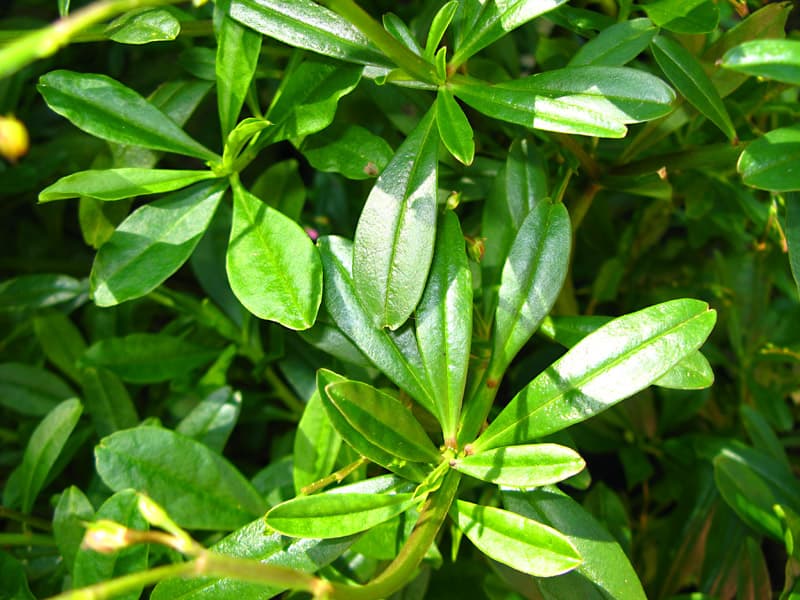
Spice plants - Courtesy of Photographer
Located on the Munnar-Thekkady road, Periyar Spice and Ayurvedic Garden is renowned for its wide variety of spices. It is situated on the slopes of the Western Ghats, which are carpeted by tea, coffee, and rubber plantations. The spices cultivated in the garden include cardamom, cinnamon, nutmeg, cloves, and pepper. As you enter the Garden, your lungs are filled with the rich aroma of spices, making it a wonderful sensory experience. The Garden also offers guided tours where one can learn about the harvesting and cultivation of their plants. The tour also covers the history and importance of spice plantations.
In addition to spices, the garden also houses herbs such as lemongrass, aloe vera, stevia, and more. These herbs have numerous health benefits which are explained by the guides in the tour. Along with spices and herbs, trees like red sandalwood and eucalyptus are also cultivated on the property. Different varieties of orchids are grown in the Garden as well. Visitors can witness beautiful vibrant birds and is a great experience for bird-watching enthusiasts. At the end of the guided tour, you can avail a free consultation with an Ayurvedic Doctor. There is also a shop inside the Garden where you can purchase the spices grown on the property. Apart from spices, you can also buy chocolates from the shop for your friends, family, or yourself.
TEA PLANTATIONS
Let us explore some of the popular tea plantations in Munnar.

Leave the planning to a local expert
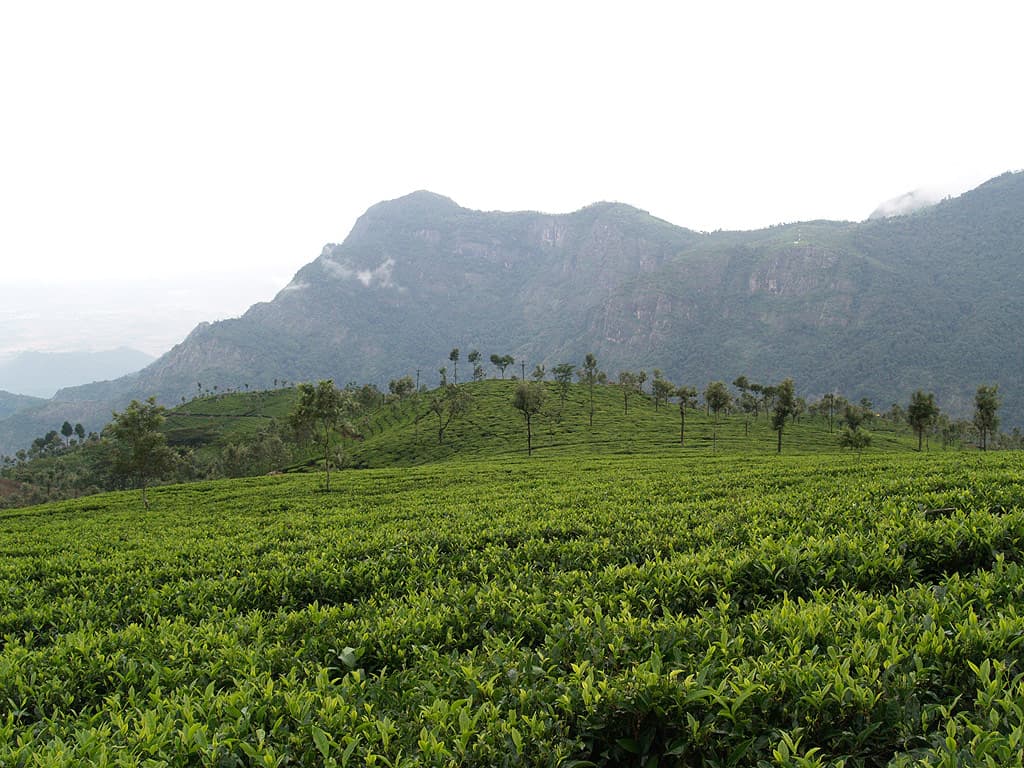
Kannan Devan Hills Plantations
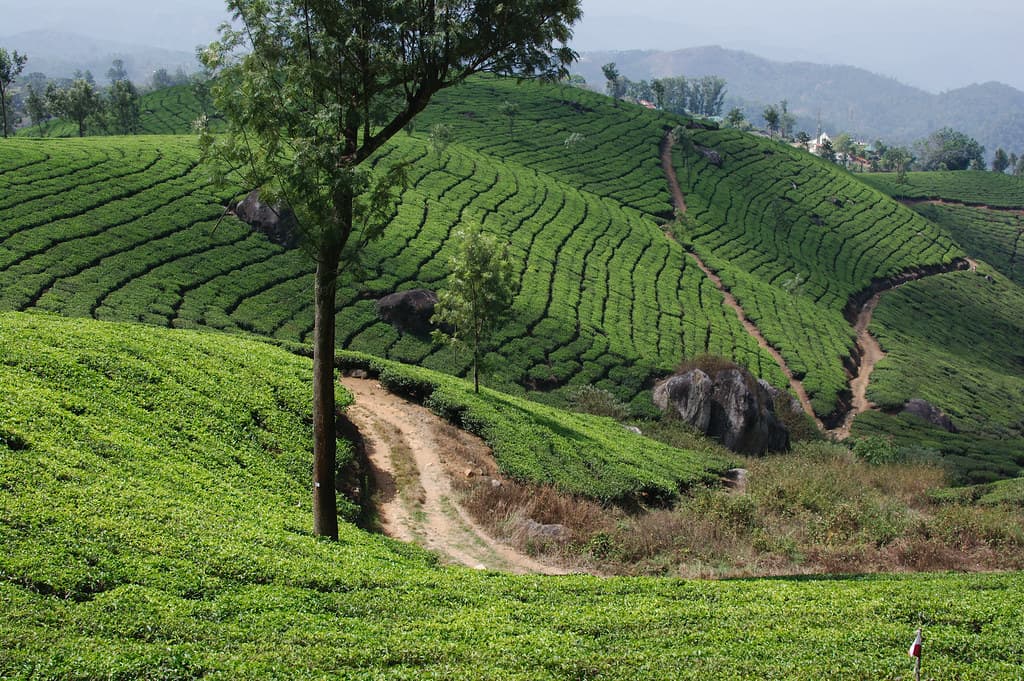
Kannan Devan Hills - Courtesy of Photographer
One of the most popular plantations in Munnar, Kannan Devan Hills Plantation is famous for its tea and spice plantations. The plantation is 136 years old and dates back to the British Colonial Era, which is reflected in the tea museum situated on the property. There are seven tea plantations spread over 24,000 hectares and has an annual tea production of 22 million kgs. The museum has been open to the public since 2005 and has since had 2.5 million visitors since then. Visitors are greeted by a large sundial built in 1913 at the entrance of the museum. There is a miniature tea factory inside the museum where one can learn about the cultivation and processing of tea. The museum exhibits the machinery used in the production of tea in the 20th century. It is a great place to learn about the history of tea in India and a must-visit for all tea lovers. It can also be said that the museum was built as a tribute to the tea estate workers to honor their hard work and dedication.
At the end of the tea museum tour, you can indulge yourself with a tea-tasting experience where you can relish the tea prepared from home-grown tea leaves. The museum is open to visitors from 9 AM to 4 PM on all days except Mondays. The entry fee for children is INR 35 and adults are charged INR 75. If you plan to bring a camera along to capture this historical genesis, an additional fee of INR 20 will be charged for it.
Kolukkumalai Tea Estate
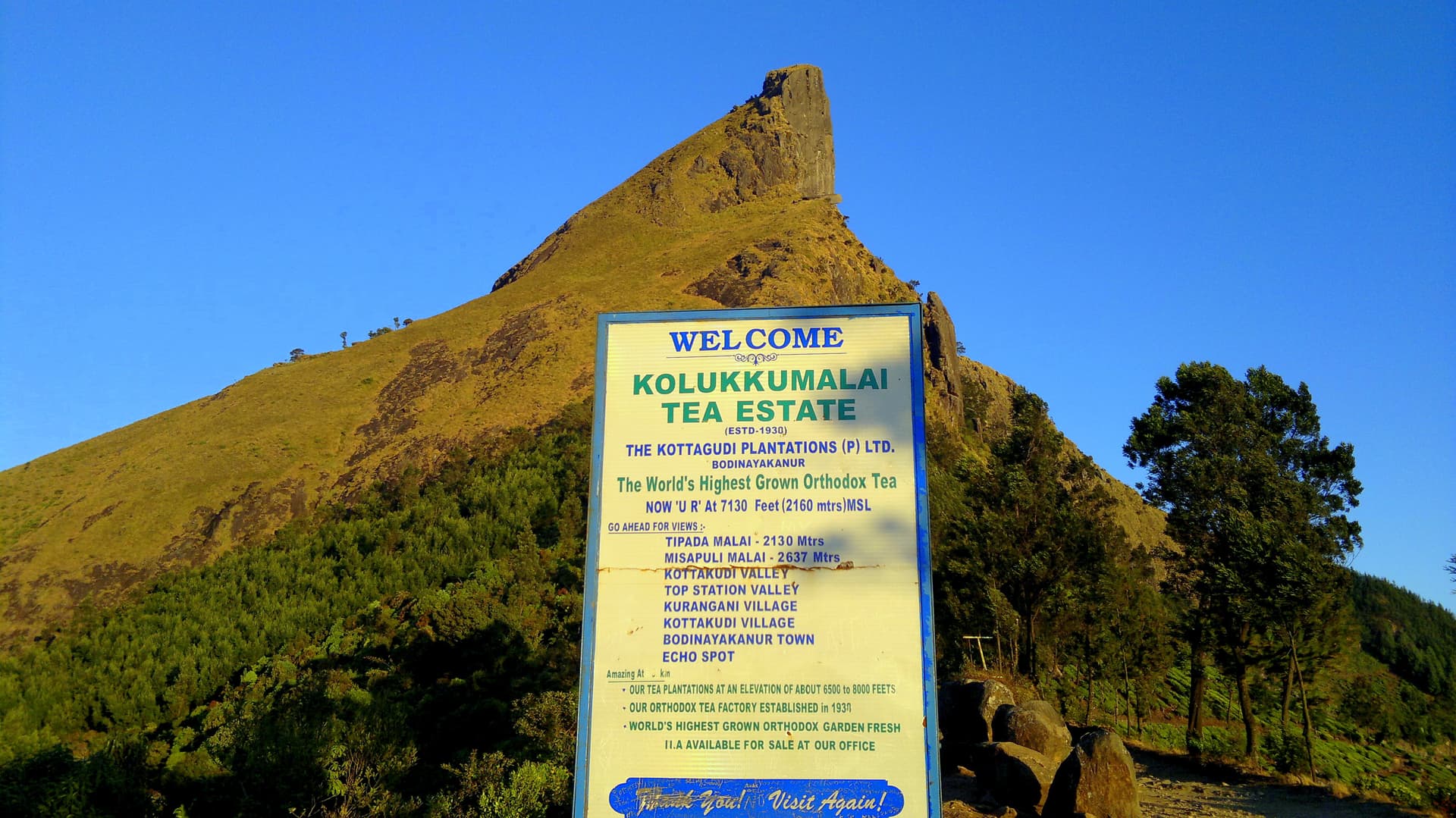
Kolukkumalai Tea Estate - Courtesy of Photographer
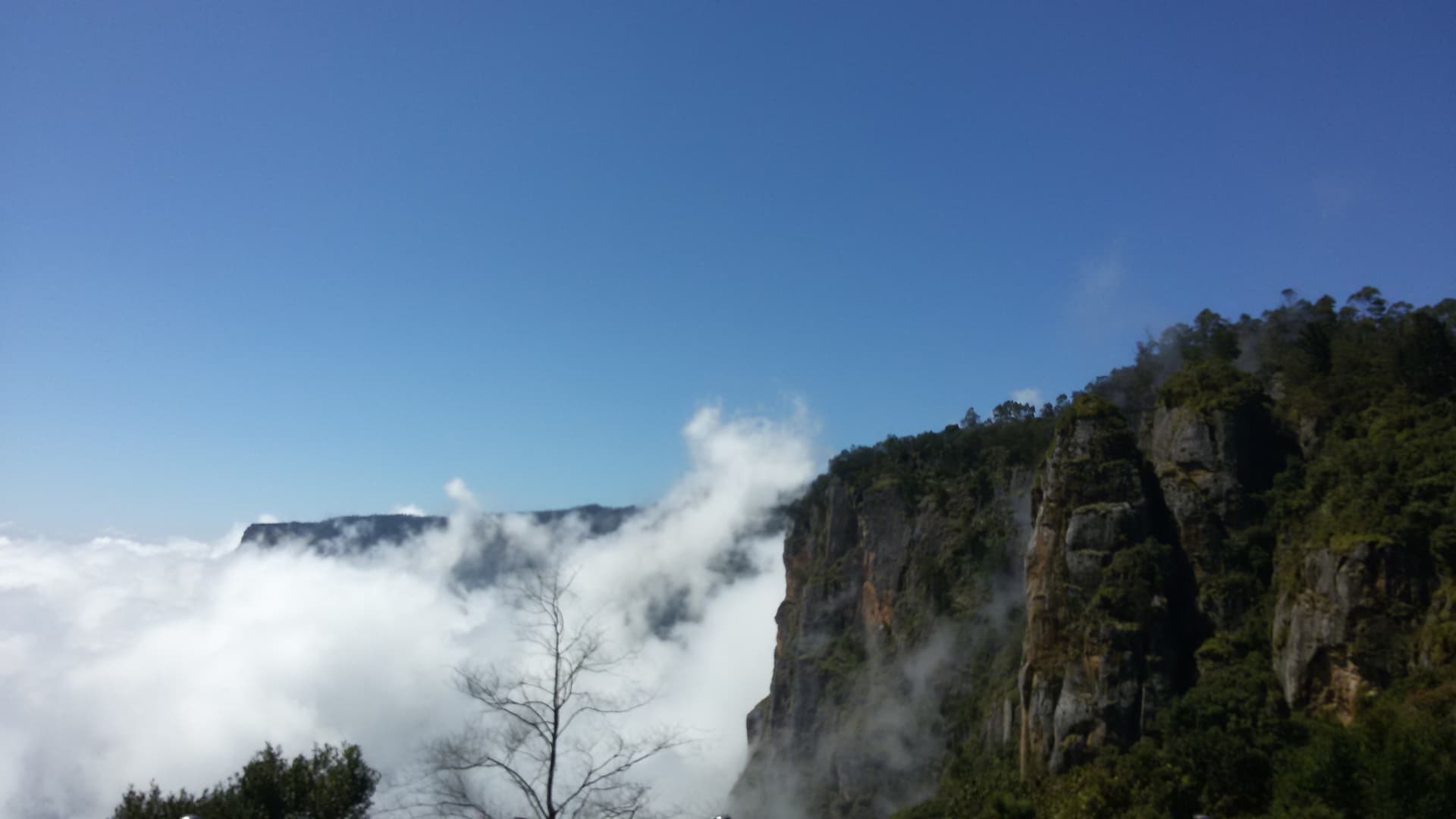
Located about 35 km from Munnar, the Kolukkumalai Tea Estate is a must-visit when you are in Munnar. With an altitude of over 7000 feet, it is the highest tea plantation in the world, offering the most breathtaking views. The estate was built by the British between the years 1920 and 1927 in association with the Chettiar brothers of Tamil Nadu. The estate has a colonial tea factory where to this day traditional methods are incorporated in the production of tea, which is believed to enhance the quality of the beverage. Visitors can taste the tea prepared from the tea leaves grown on the property. There is a guided tour of the estate where one can explore the plantations while soaking in its beauty. Due to its high altitude, the clouds often envelop the valleys, making for a spectacular view from the estate’s top.
The estate is open to visitors from 7 AM to 6 PM on all days of the week except Sundays. If you visit the estate in the evening, make sure to stay and witness the magical sunset as the sun casts its golden hues across the town of Kodaikanal.
Conclusion
On your next visit to Munnar, make sure to visit these spice gardens and tea plantations to experience the true beauty of this delightful hill station. Learn about the history and significance of spices and tea in Munnar with guided tours while you enjoy the scenic views.
Hope you enjoyed reading this blog. For more such content, check out our official website https://backpackersunited.in/



-optimized.webp&w=1920&q=75)