
Manikarnika Ghat

Overview
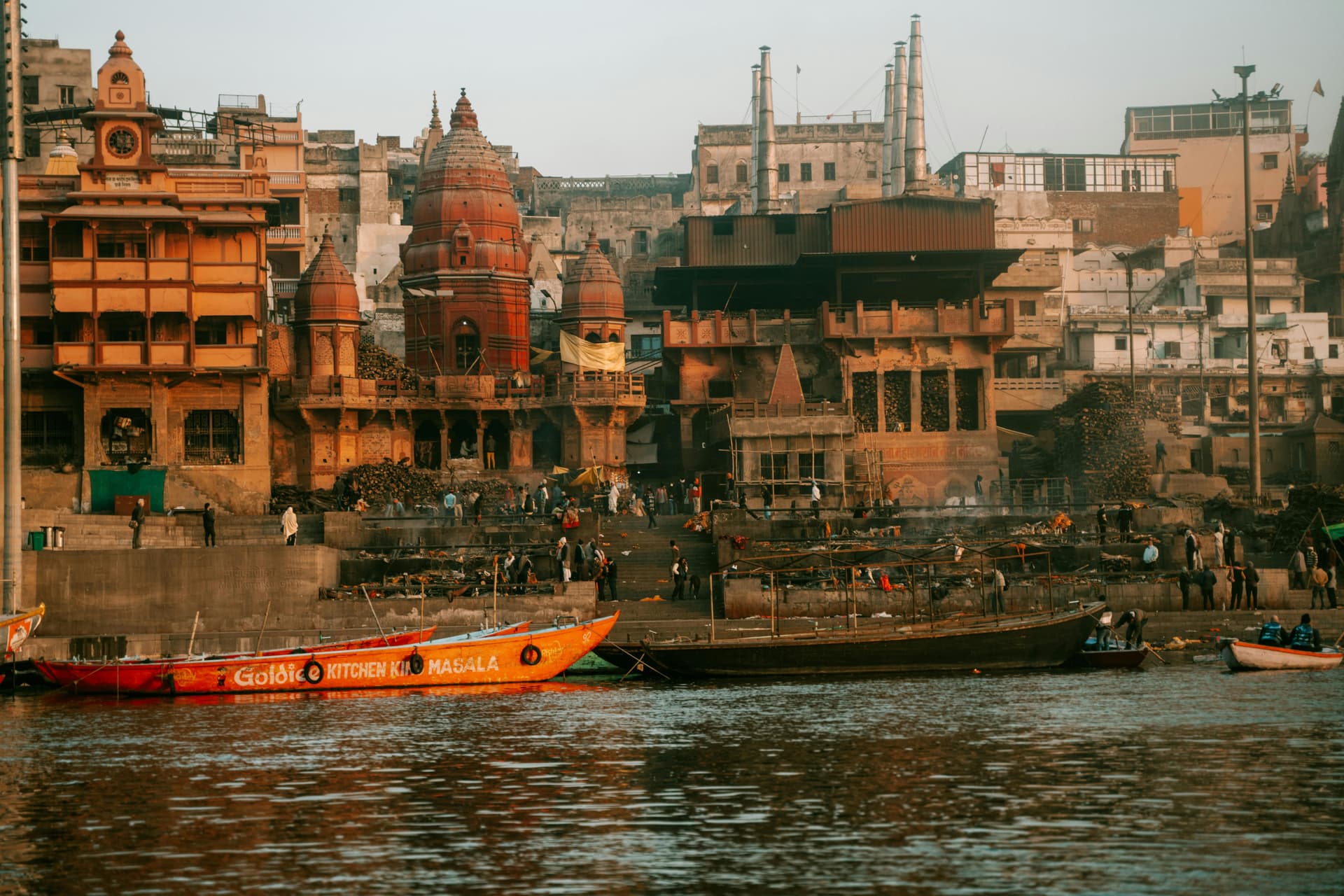
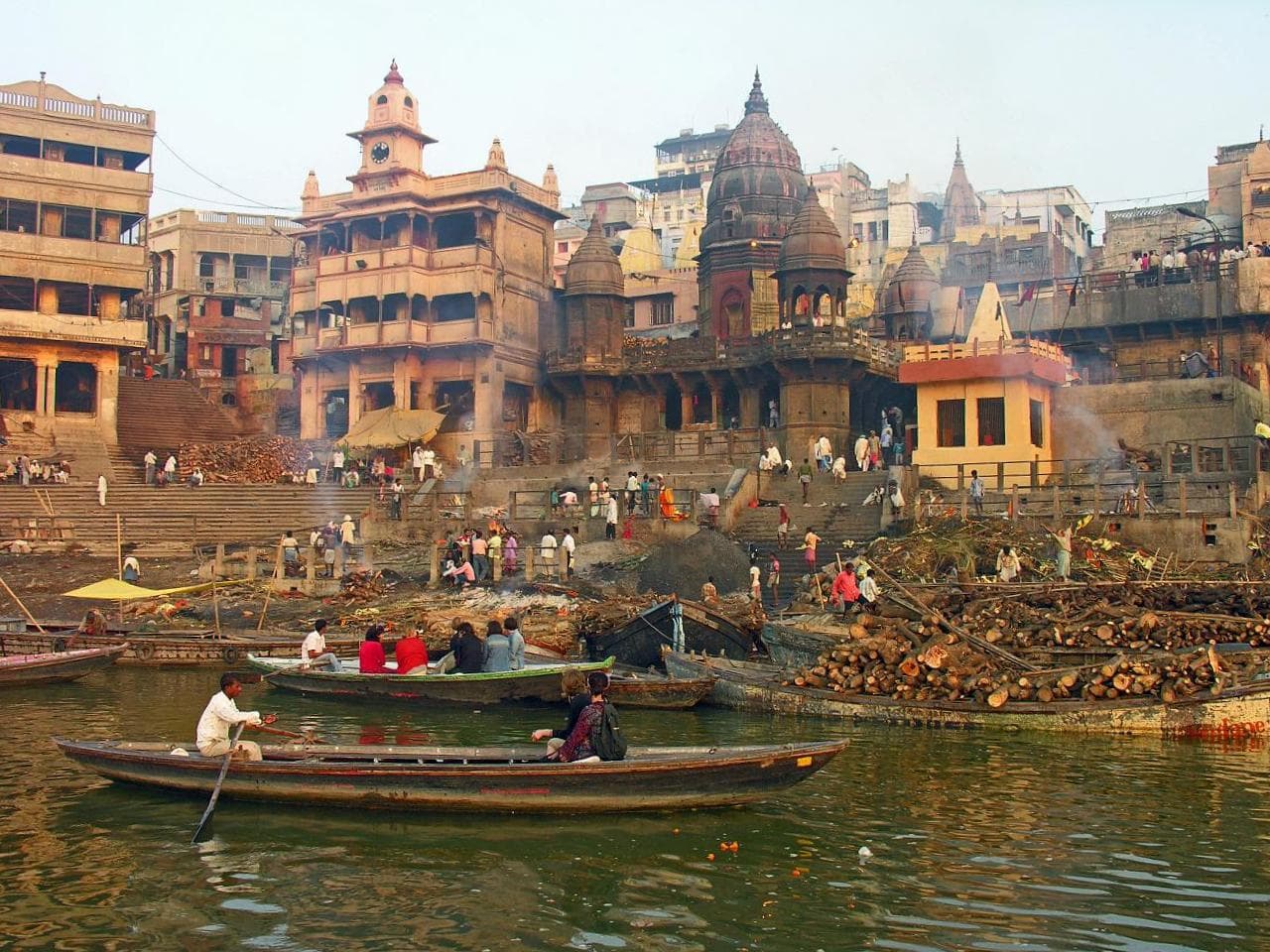
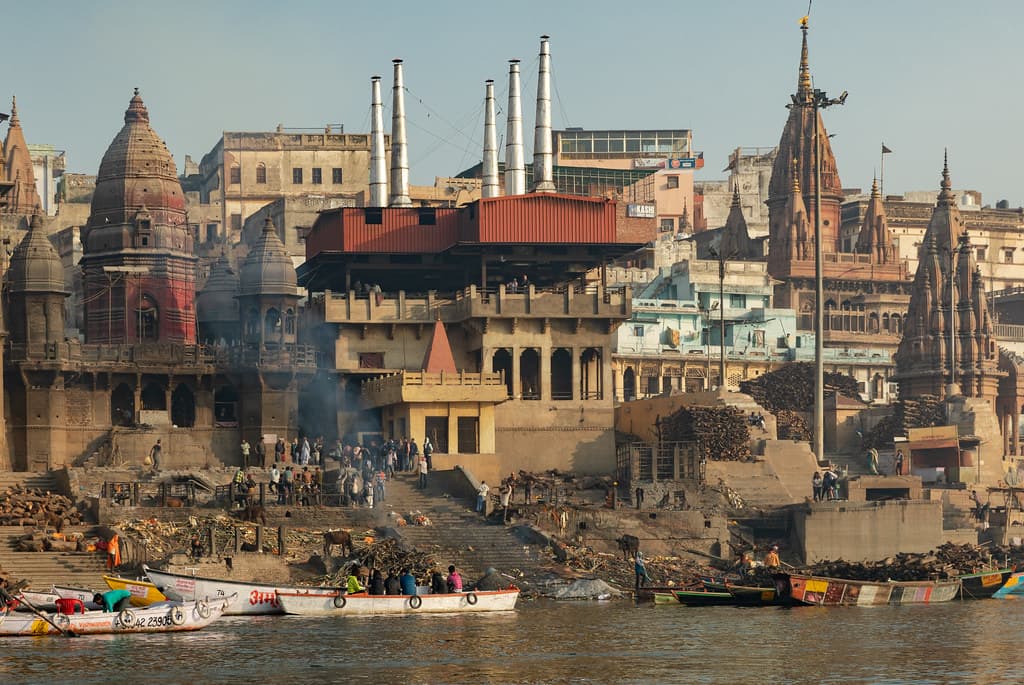
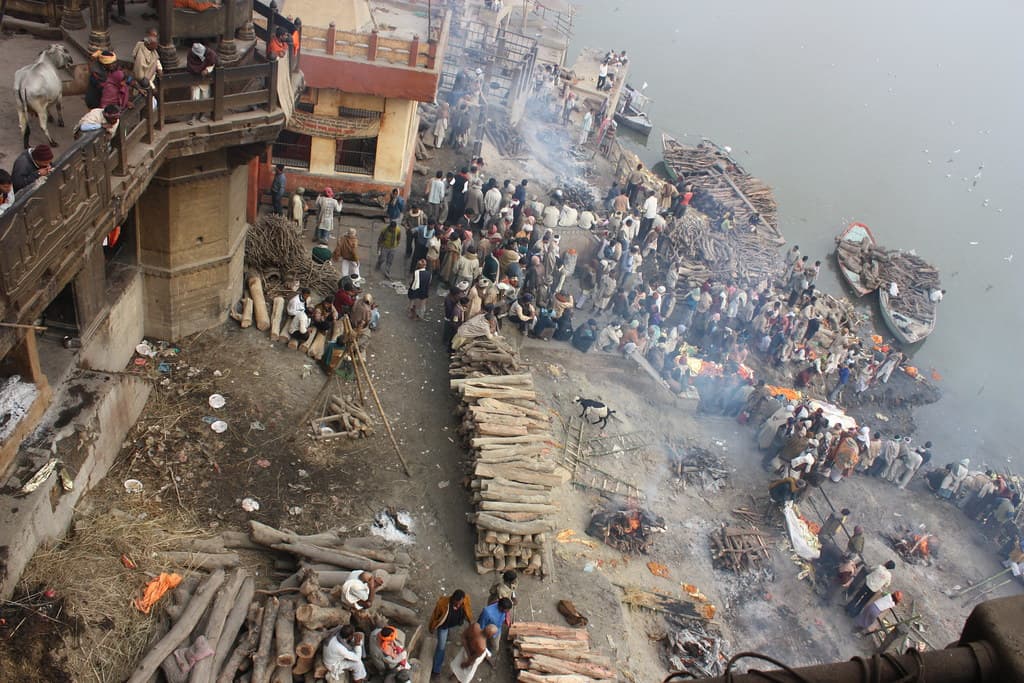
Manikarnika Ghat, one of the oldest and most significant ghats in Varanasi, holds immense cultural and spiritual importance. Situated on the banks of the Ganges River, this ghat is renowned as a major cremation site, drawing thousands of pilgrims and visitors who come to witness the rituals of life and death. The ghat's history is intertwined with Hindu mythology, with legends suggesting that it was here that Lord Vishnu dug a well, leaving his earring (Manikarnika) behind, hence the name. The continuous funeral pyres burning at Manikarnika Ghat provide a profound and poignant glimpse into the Hindu belief in the cycle of life, death, and rebirth. Amidst the solemn rituals, one can observe the intricate customs and rites performed by priests and mourners, making it a place of deep reverence and reflection. The nearby temples, such as the Kashi Vishwanath Temple, add to the spiritual atmosphere, while the bustling activity along the ghat, including the chanting of prayers and the sacred dip in the Ganges, offers a vivid experience of Varanasi's enduring religious traditions. Visitors are often struck by the powerful, raw emotions and the stark reality of life's impermanence, making a visit to Manikarnika Ghat a truly unforgettable and transformative experience.
Key Features and Attractions
Cremation Rituals: Manikarnika Ghat is primarily known for its continuous cremation ceremonies. The fires at this ghat are said to have been burning for thousands of years, symbolizing the eternal cycle of life and death. Witnessing these rituals offers a profound insight into Hindu customs surrounding death and the afterlife.
Manikarnika Kund: Adjacent to the ghat is the sacred Manikarnika Kund, a small water tank believed to have been dug by Lord Vishnu. It is said that a dip in this kund can help attain moksha (liberation from the cycle of rebirth).
Harishchandra Ghat: Located nearby, this is another cremation ghat. It is named after King Harishchandra, who, according to legend, once worked here as a cremator to uphold his promise of honesty and integrity.
Temples: The ghat is surrounded by numerous temples, each with its own historical and spiritual significance. The Tarkeshwar Mahadev Temple and the Ratneshwar Mahadev Temple are notable for their unique architecture and religious importance.
Cultural Heritage
Manikarnika Ghat is deeply embedded in the cultural and spiritual fabric of Varanasi. The ghat's association with the cycle of life and death reflects the Hindu belief in reincarnation and the quest for moksha. The rituals performed here are centuries-old, passed down through generations, and continue to be practiced with the same reverence.
Nearby Attractions
Kashi Vishwanath Temple: One of the most famous Hindu temples dedicated to Lord Shiva, it is located a short distance from Manikarnika Ghat. The temple is a major pilgrimage site and a must-visit for its spiritual ambiance and architectural beauty.
Dashashwamedh Ghat: Known for its grand evening Ganga Aarti, this ghat is a lively place where priests perform rituals with lamps and chants, creating a mesmerizing atmosphere.
Ramnagar Fort: Situated across the river, this 17th-century fort is the ancestral home of the Maharaja of Varanasi. It houses a museum with a fascinating collection of vintage cars, royal costumes, and historical artifacts.
Local Cuisine
Varanasi is famous for its street food and traditional cuisine. Some must-try dishes include:
- Kachori Sabzi: A spicy potato curry served with deep-fried kachoris.
- Chaat: Varanasi offers a variety of chaat, including tamatar chaat, palak chaat, and dahi puri.
- Banarasi Paan: A betel leaf preparation that is an essential part of the local culture.
- Malaiyyo: A frothy, saffron-flavored milk dessert available during winter.
- Lassi: A traditional yogurt-based drink, often flavored with fruit or spices.

Leave the planning to a local expert
Tips for Visitors
Respect the Rituals: As a place of significant spiritual importance, visitors should observe the rituals with respect and refrain from taking photographs or videos during cremation ceremonies.
Dress Modestly: Wearing modest clothing is recommended out of respect for the religious and cultural sensitivities.
Guided Tours: Consider hiring a local guide to gain a deeper understanding of the rituals and history associated with the ghat.
Safety: The ghat can be crowded and chaotic, so keep personal belongings secure and stay cautious of your surroundings.
Conclusion
Manikarnika Ghat is not just a place but an experience that encapsulates the profound spiritual ethos of Varanasi. It offers a unique perspective on life, death, and the cycle of rebirth, making it an essential visit for those seeking to understand the depth of Hindu traditions. The ghat, with its rich history and cultural significance, provides a moving and unforgettable experience for all who visit.