Culture

Bhutanese Festivals: A Guide to the Most Colorful and Vibrant Celebrations

4 minutes

16th July 2024

by Shakti Iyer
Festivals in Bhutan

Bhutan: Culture and Festivals

Nestled in the Eastern Himalayas, Bhutan is a country where tradition is not just preserved but vibrantly lived every day. Its culture and festivals are an exquisite tapestry of ancient rituals, colorful dances, and timeless beliefs that offer a delightful peek into the soul of this enchanting kingdom. From majestic masked dances to the quirky customs of daily life, Bhutan’s cultural landscape is as fascinating as it is unique. Let’s embark on a whimsical journey through Bhutan’s cultural heartbeat and its splendid festivals, where every celebration is a doorway to another world.

The Cultural Fabric: Weaving Tradition and Modernity

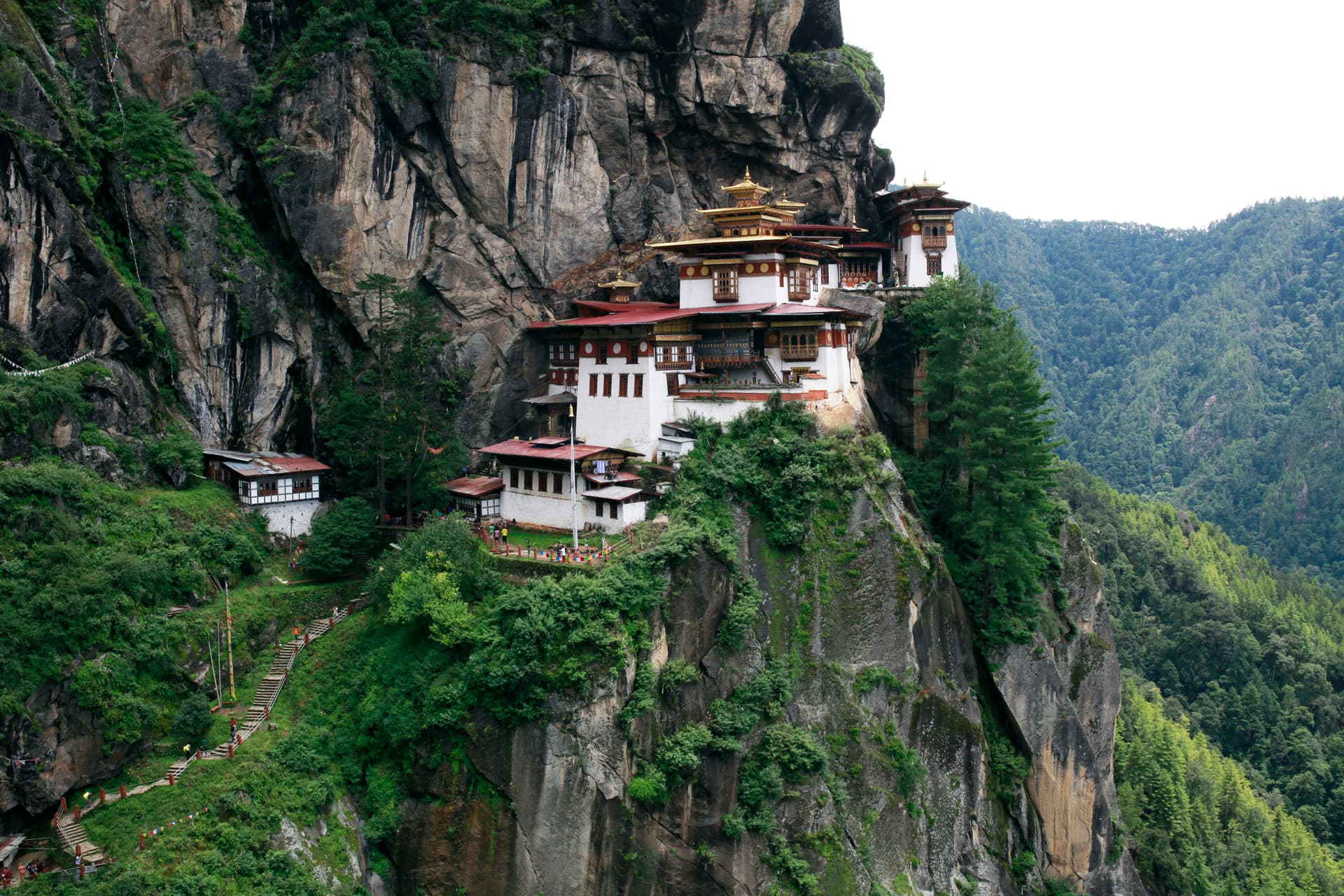
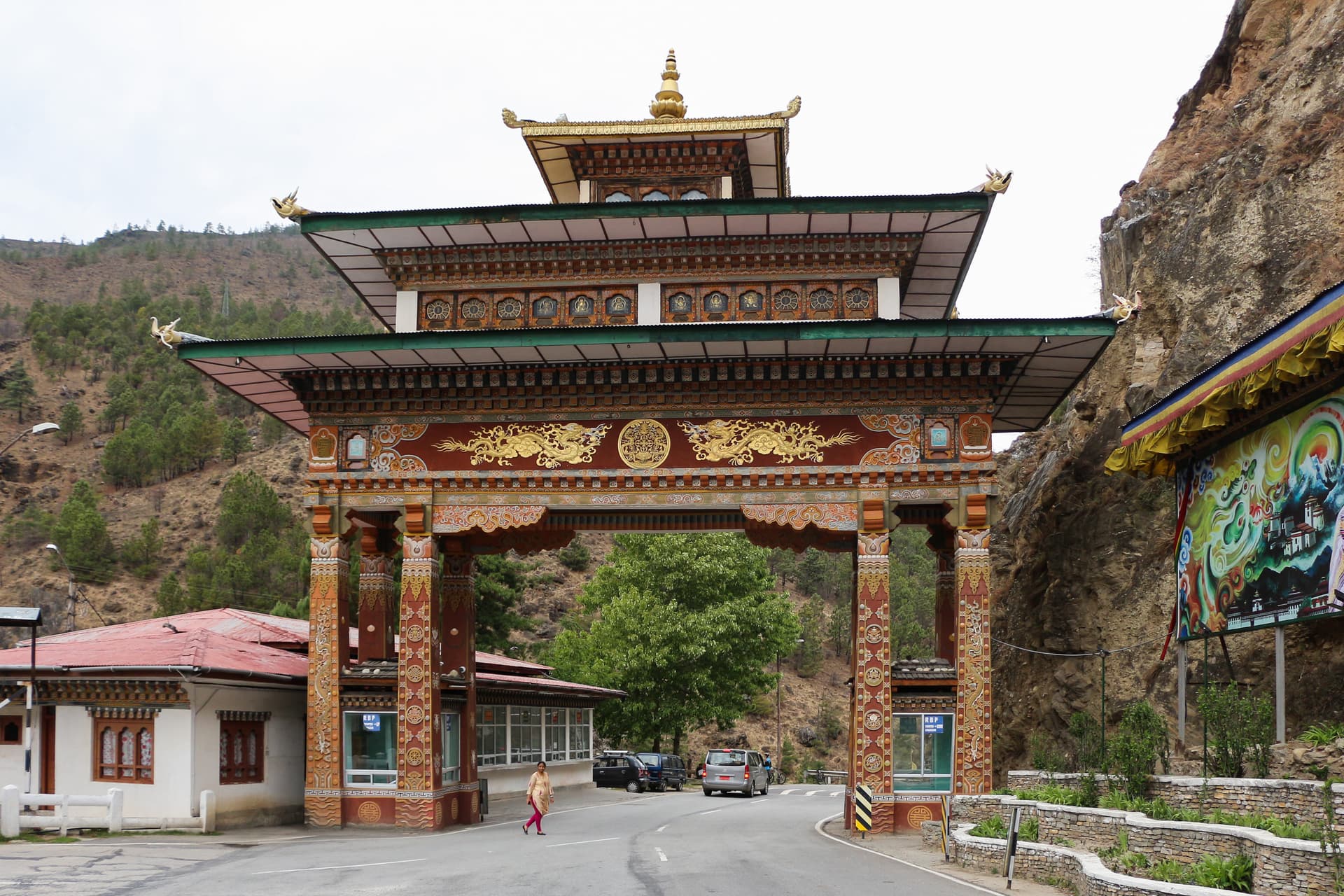
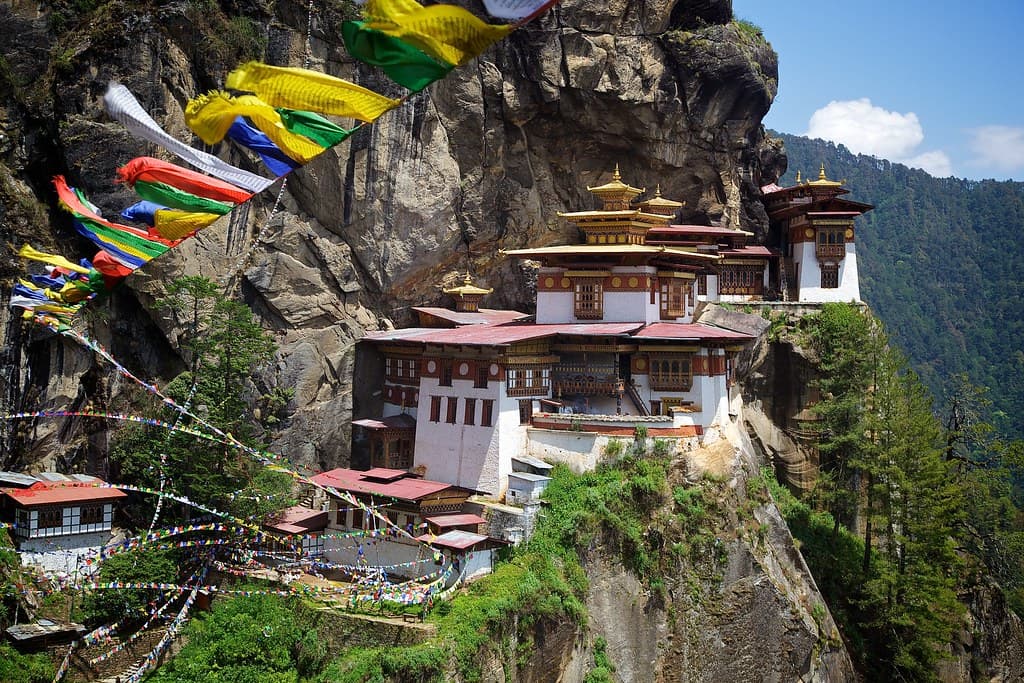
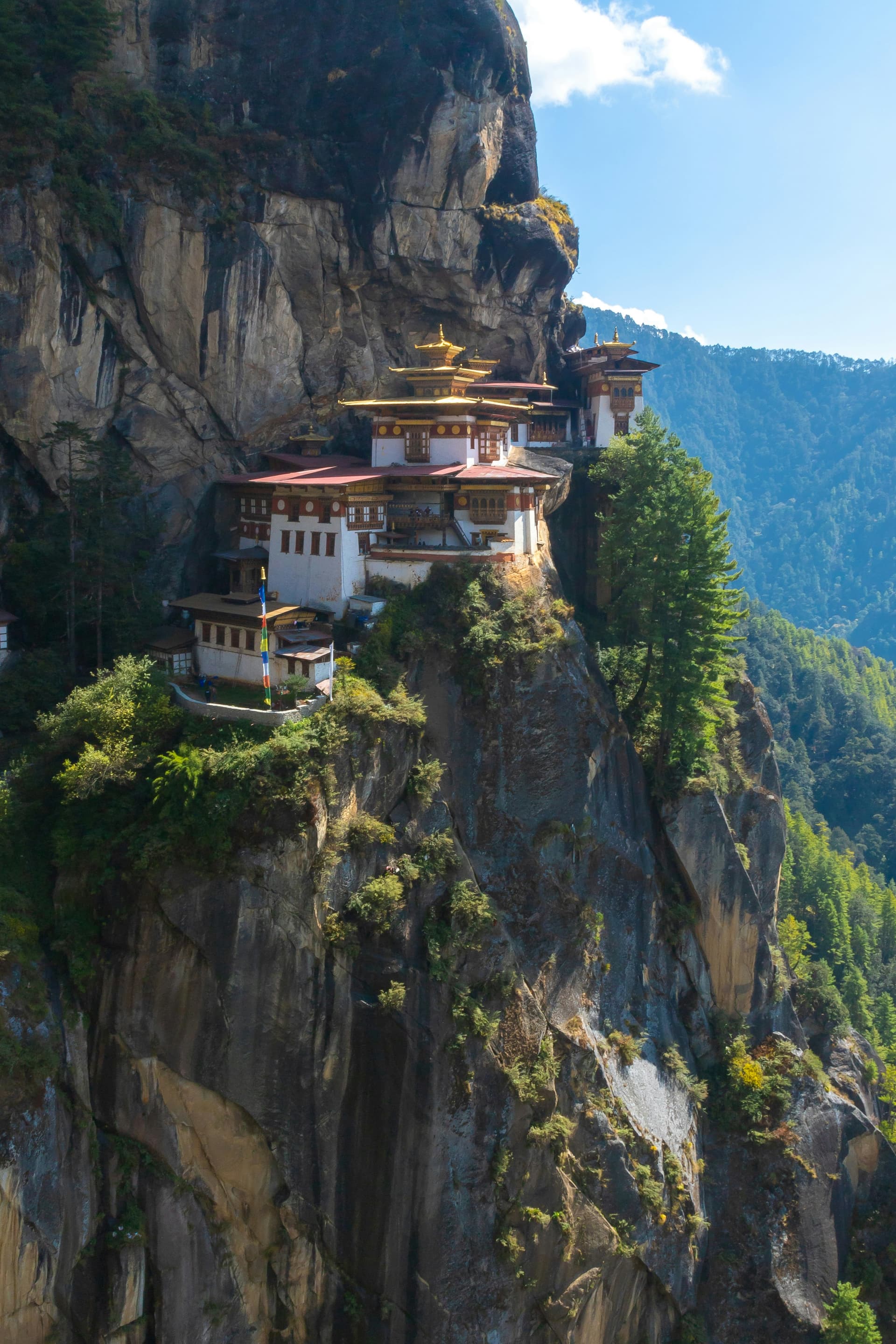
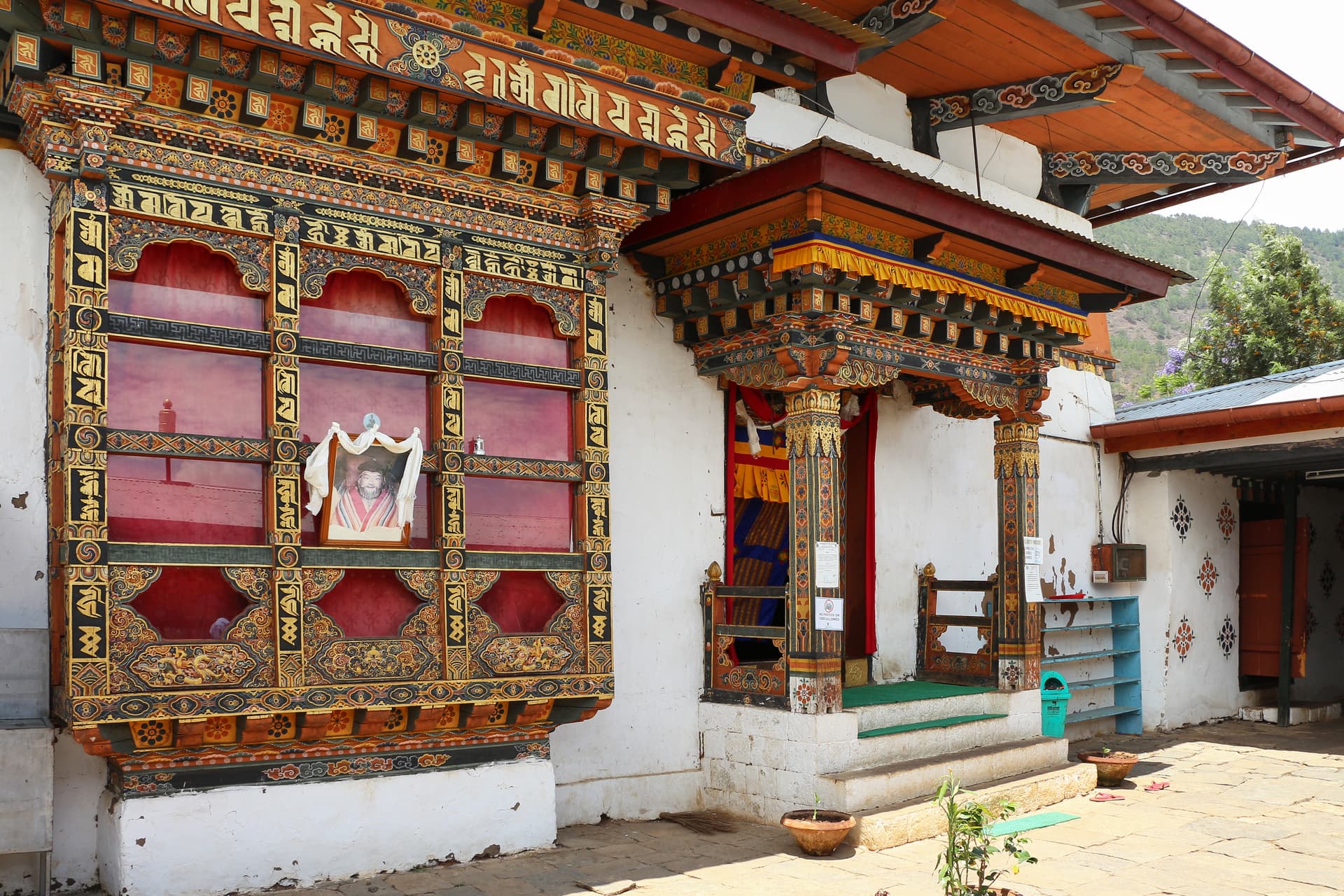
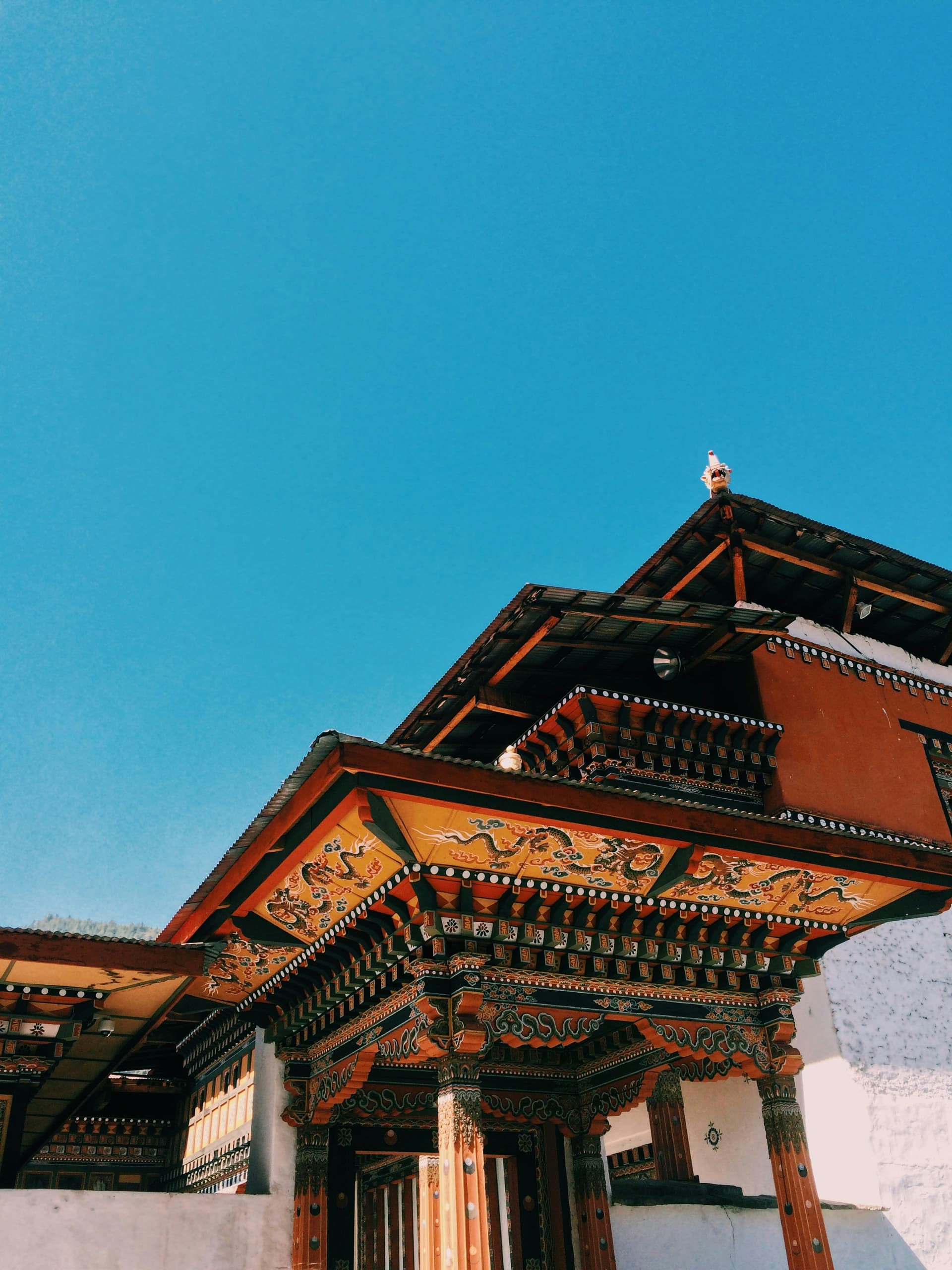
Imagine a land where the past walks hand-in-hand with the present, where the everyday humdrum is interspersed with bursts of color and tradition. Bhutan's cultural fabric is woven with threads of Buddhist spirituality, deeply embedded in the daily lives of its people. Monasteries perched on cliffs, prayer flags fluttering in the wind, and monks in maroon robes chanting ancient mantras create an atmosphere that feels like stepping into a timeless realm.

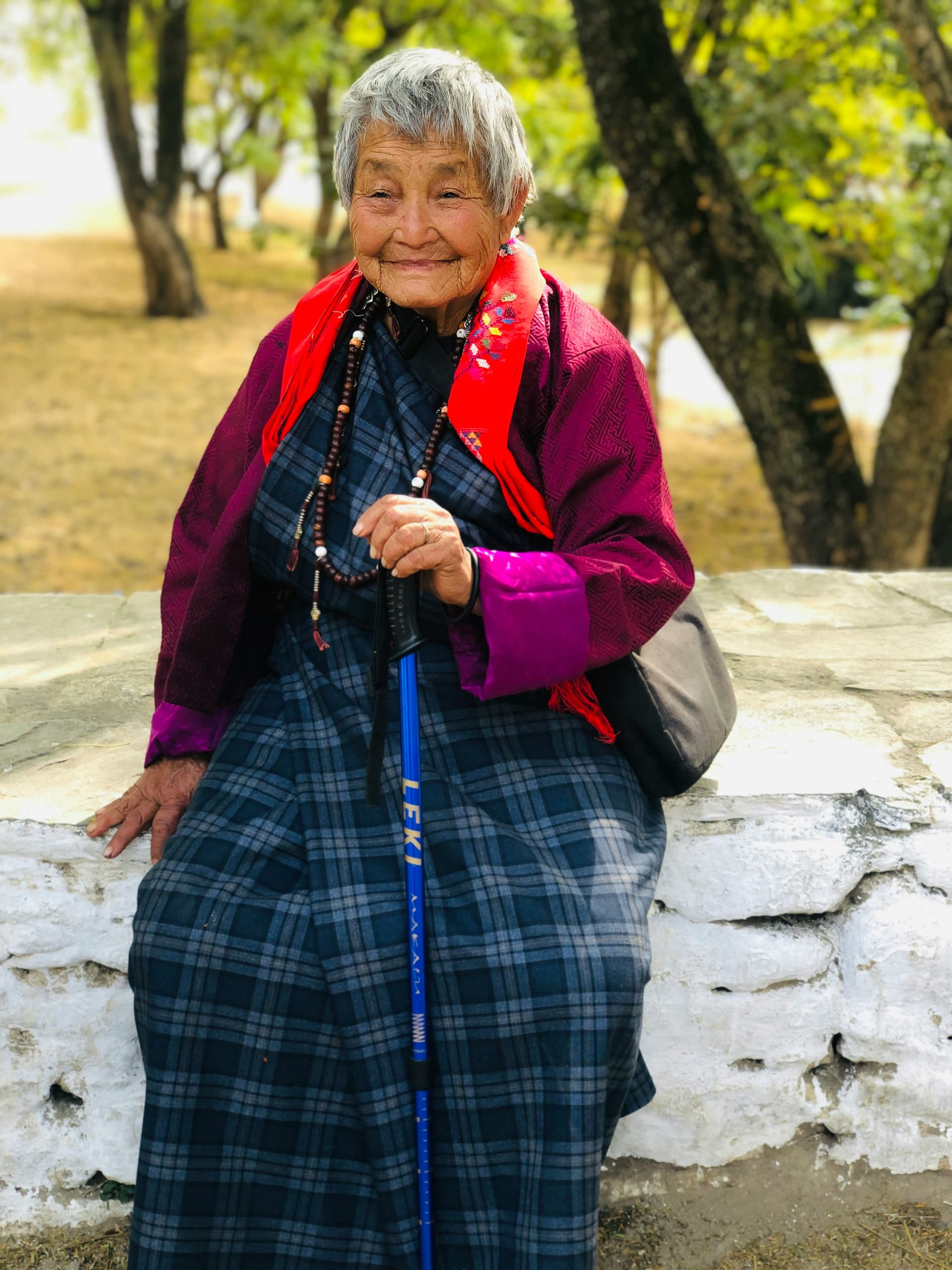
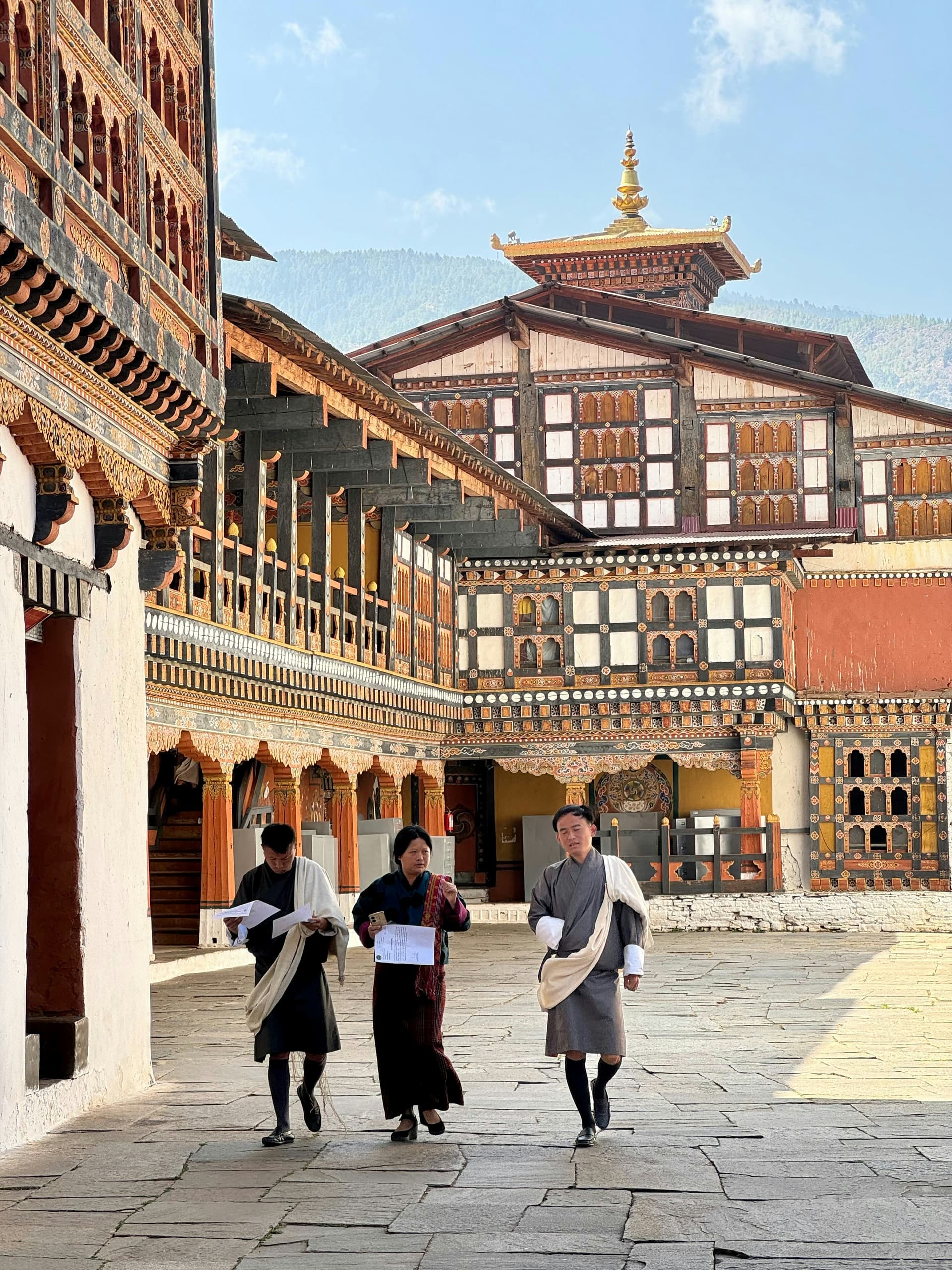
Bhutanese culture is a delightful blend of customs and practices that have been passed down through generations. The national dress, the gho for men and the kira for women, is not just a fashion statement but a symbol of national identity. Everywhere you go, you see people proudly donning their traditional attire, a sight that never ceases to amaze visitors. The Bhutanese language, Dzongkha, adds another layer of charm, with its melodic tones and unique script.


Tshechus: The Grand Festivals

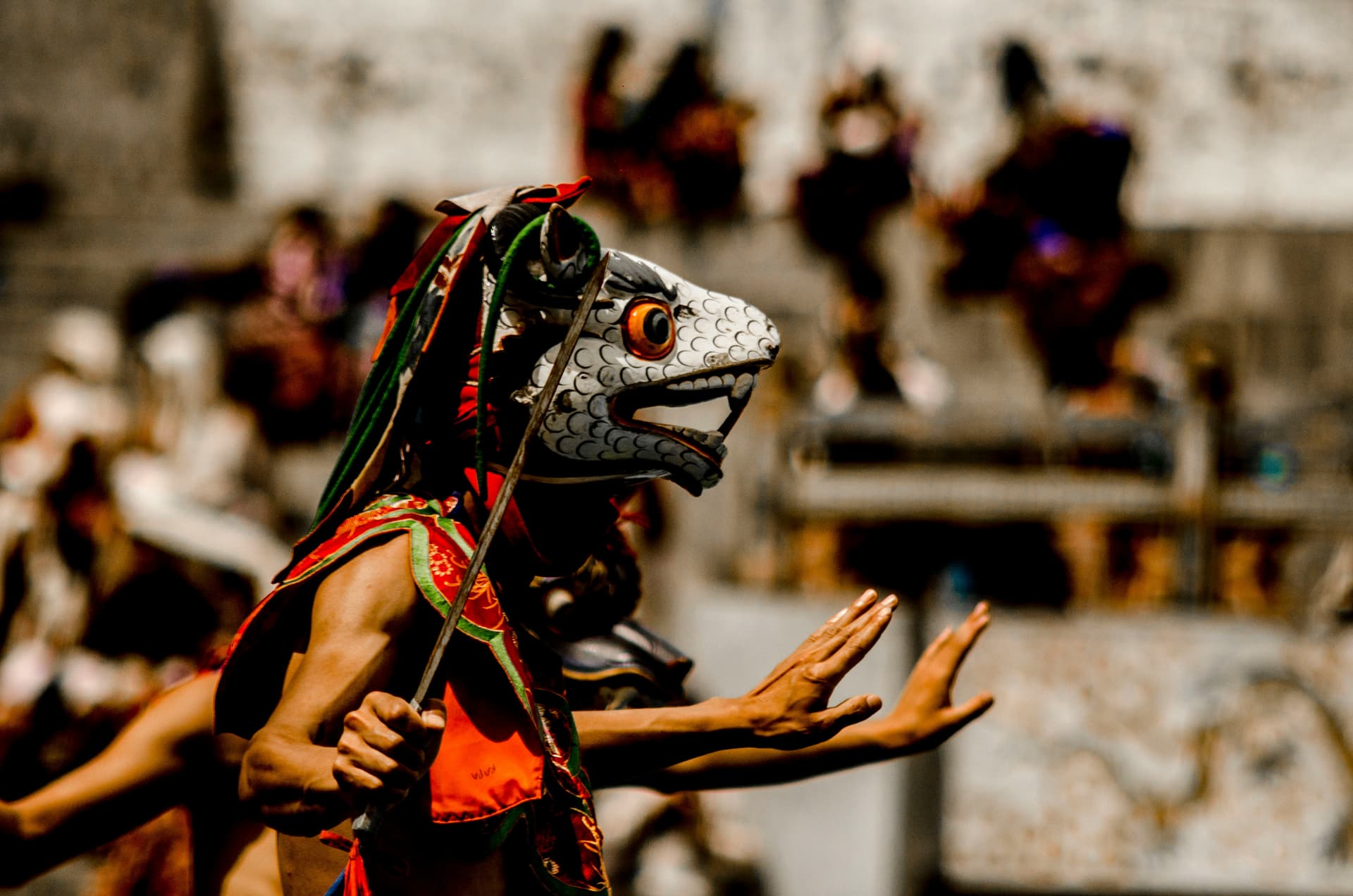
No discussion about Bhutanese culture is complete without diving into the world of tshechus. These grand festivals, held annually in every district, are a riot of color, music, and dance. But tshechus are more than just a spectacle; they are deeply spiritual events that celebrate the life and teachings of Guru Rinpoche, the saint who introduced Buddhism to Bhutan.

Imagine yourself in a massive courtyard surrounded by mountains. The air is filled with the sounds of traditional instruments—trumpets, drums, and cymbals. Monks and lay performers, clad in elaborate costumes and masks, enact sacred dances that recount tales of good versus evil, compassion, and the power of faith. The Cham dances, as they are known, are both mesmerizing and meditative, with their slow, deliberate movements and symbolic gestures.


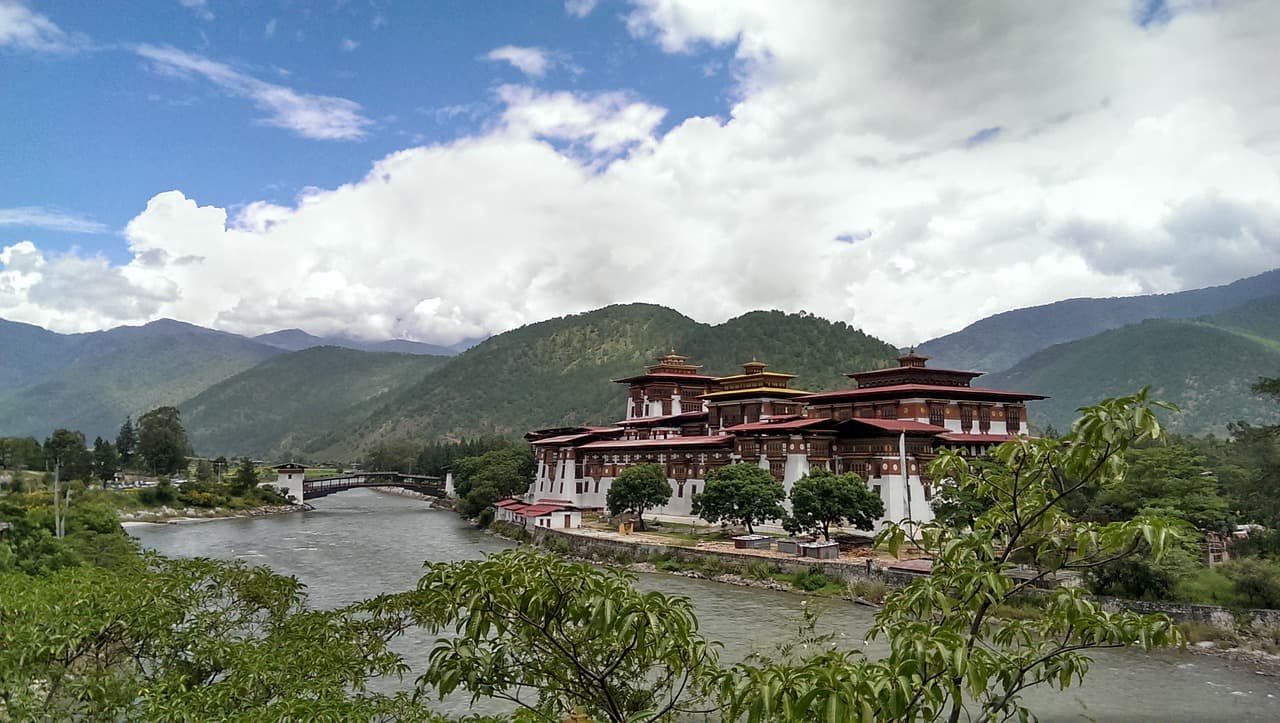
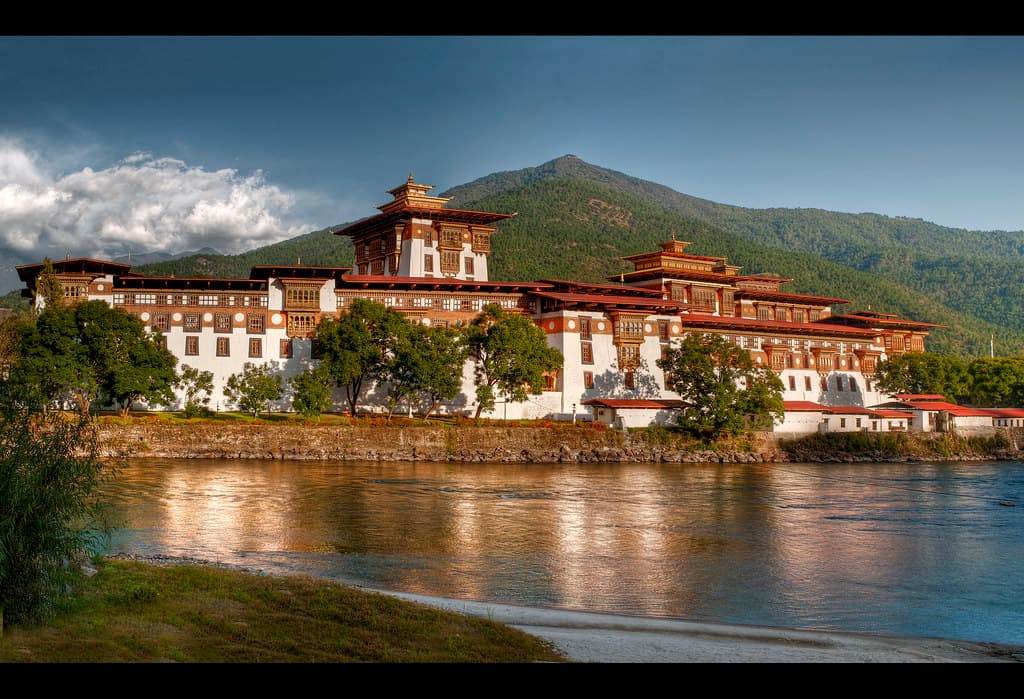
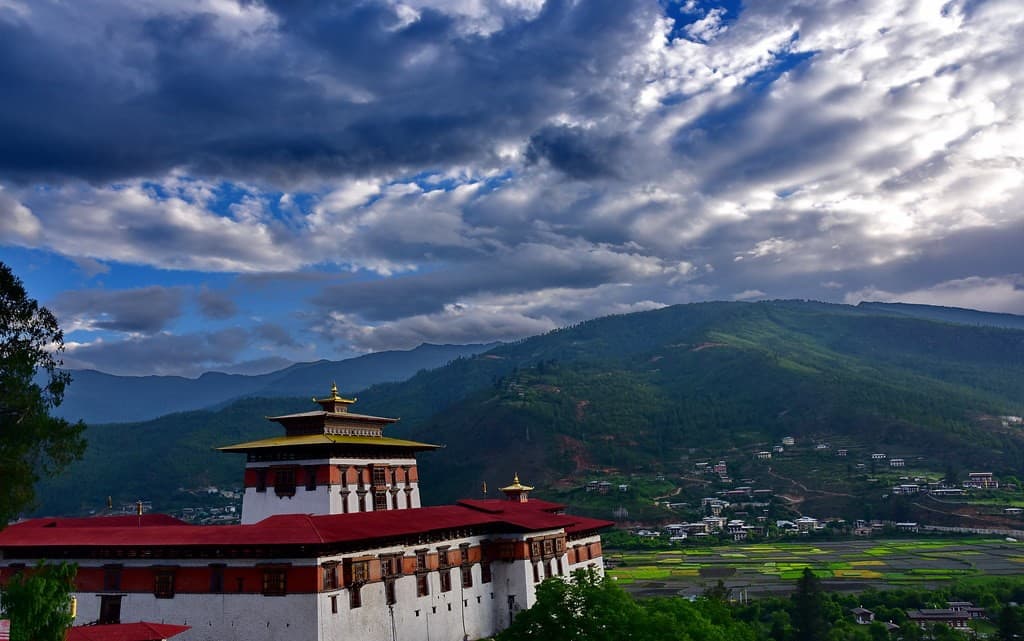
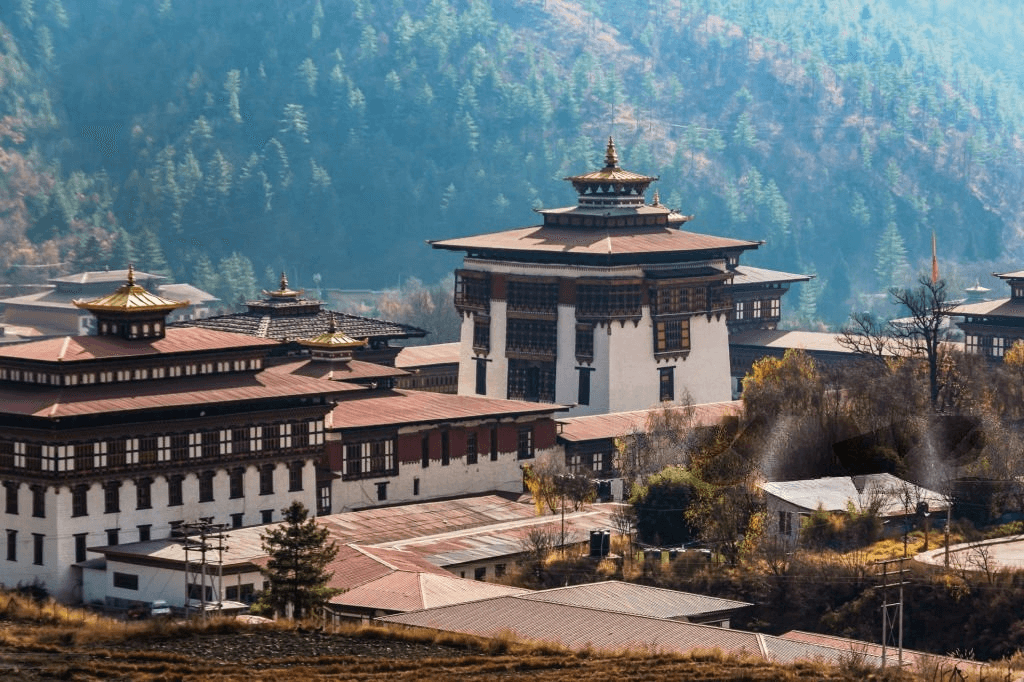
Each tshechu has its unique flavor, but some stand out for their sheer scale and splendor. The Paro Tshechu, held in the majestic Paro Dzong, attracts thousands of devotees and tourists alike. The highlight of this festival is the unfurling of the thangka, a gigantic sacred scroll depicting Guru Rinpoche, which is displayed at dawn to the awe of the gathered crowd. Then there's the Thimphu Tshechu, the capital’s grand celebration, where you can witness the Atsaras, clowns who playfully interact with the crowd, bringing a touch of humor to the solemn proceedings.

Beyond the Tshechus: A Kaleidoscope of Celebrations

While tshechus dominate the festival calendar, Bhutan has a host of other celebrations that reflect its cultural diversity and spiritual depth. Losar, the Bhutanese New Year, is a time of joyous merrymaking. Families come together to clean and decorate their homes, prepare lavish feasts, and partake in traditional games. The celebrations are marked by the offering of prayers for a prosperous year ahead, making Losar a beautiful blend of festivity and spirituality.

Another fascinating festival is the Jambay Lhakhang Drup in Bumthang. This festival features the mystical Tercham, or the Fire Dance. Performed in the courtyard of Jambay Lhakhang, one of Bhutan’s oldest temples, the dance is a sight to behold. As dusk falls, bonfires are lit, and dancers clad in fierce costumes leap through the flames, a ritual believed to purify the sins of the onlookers.

If you visit Bhutan in winter, the Black-Necked Crane Festival in the Phobjikha Valley is a must-see. This unique festival celebrates the arrival of the black-necked cranes from Tibet. The valley, a vast bowl-shaped glacial expanse, comes alive with traditional songs and dances, and the locals pay homage to these graceful birds, which are considered harbingers of good fortune.

The Quirky Side of Bhutanese Culture

Bhutan's culture is not all solemnity and spirituality; it has its quirky side too. Take, for instance, the phallus symbols you see painted on houses or carved on wooden posts. These symbols are not some lewd joke but a tribute to Drukpa Kunley, the Divine Madman. This beloved saint, known for his unorthodox ways of teaching Buddhism, is celebrated for his playful and irreverent spirit. The phalluses are believed to ward off evil spirits and bring good luck, making them an essential element of Bhutanese folklore.

Then there's the practice of archery, Bhutan’s national sport. But this is not your average archery contest. Bhutanese archery matches are a boisterous affair, with teams of archers aiming at targets placed 145 meters apart. The atmosphere is charged with excitement, as teammates sing and dance to distract the opposing side while offering loud cheers for their own. The whole event is as much about the camaraderie and the celebratory spirit as it is about hitting the bullseye.


Spirituality and Daily Life

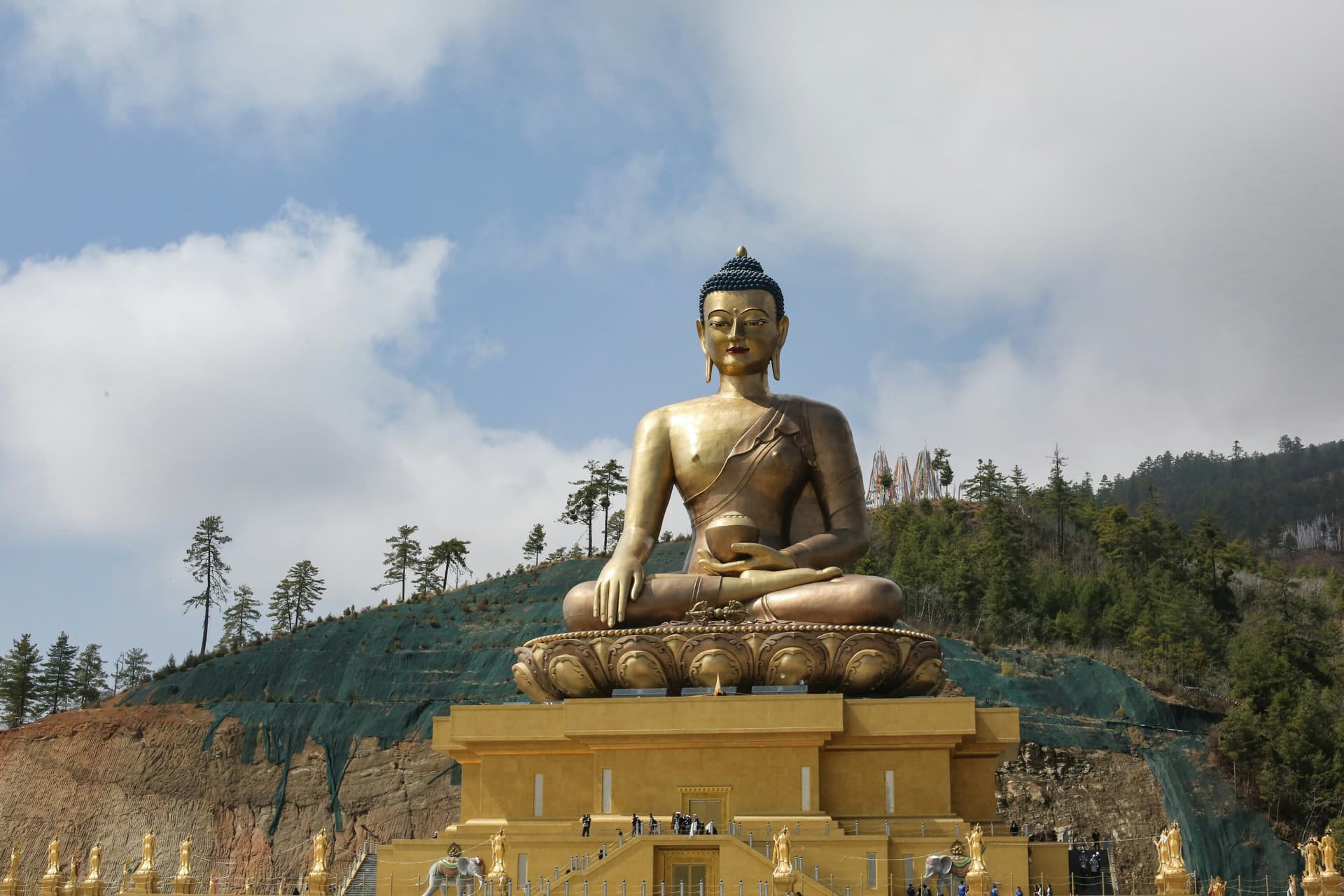
In Bhutan, spirituality is not confined to temples and monasteries; it permeates every aspect of daily life. The Bhutanese people have an intrinsic connection to their spiritual heritage, which is evident in their respect for nature and the environment. The concept of Gross National Happiness, which guides the country's development philosophy, is rooted in Buddhist values of compassion, harmony, and well-being.

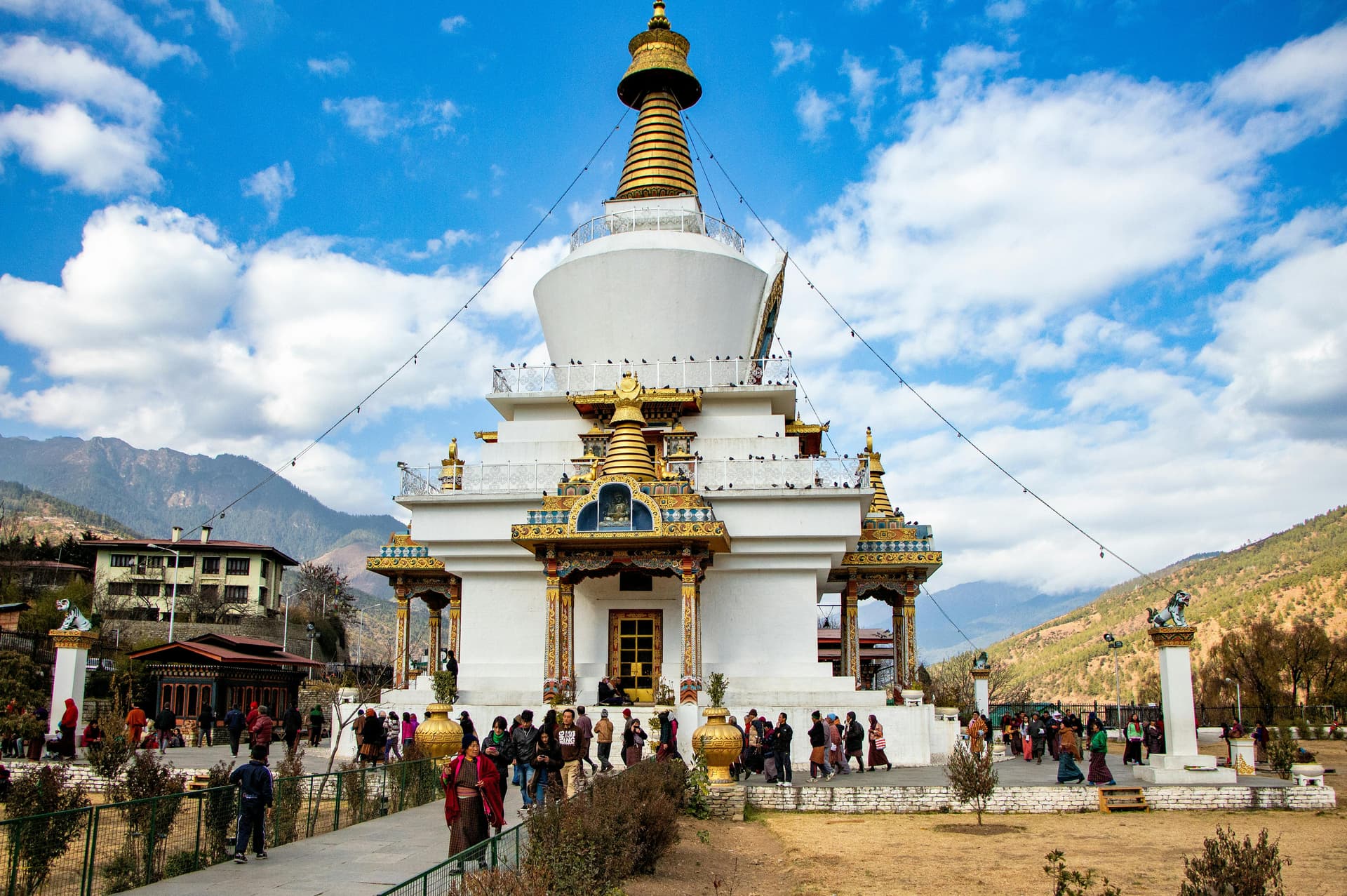
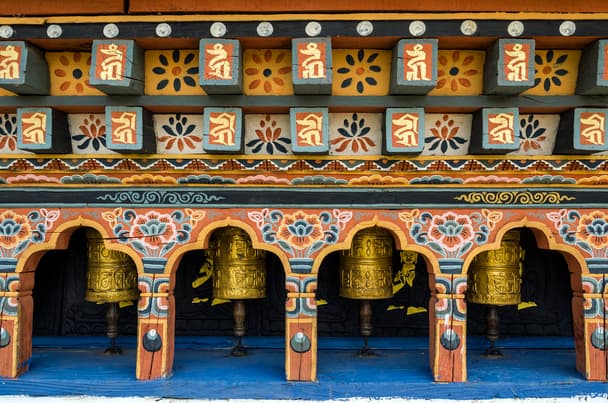
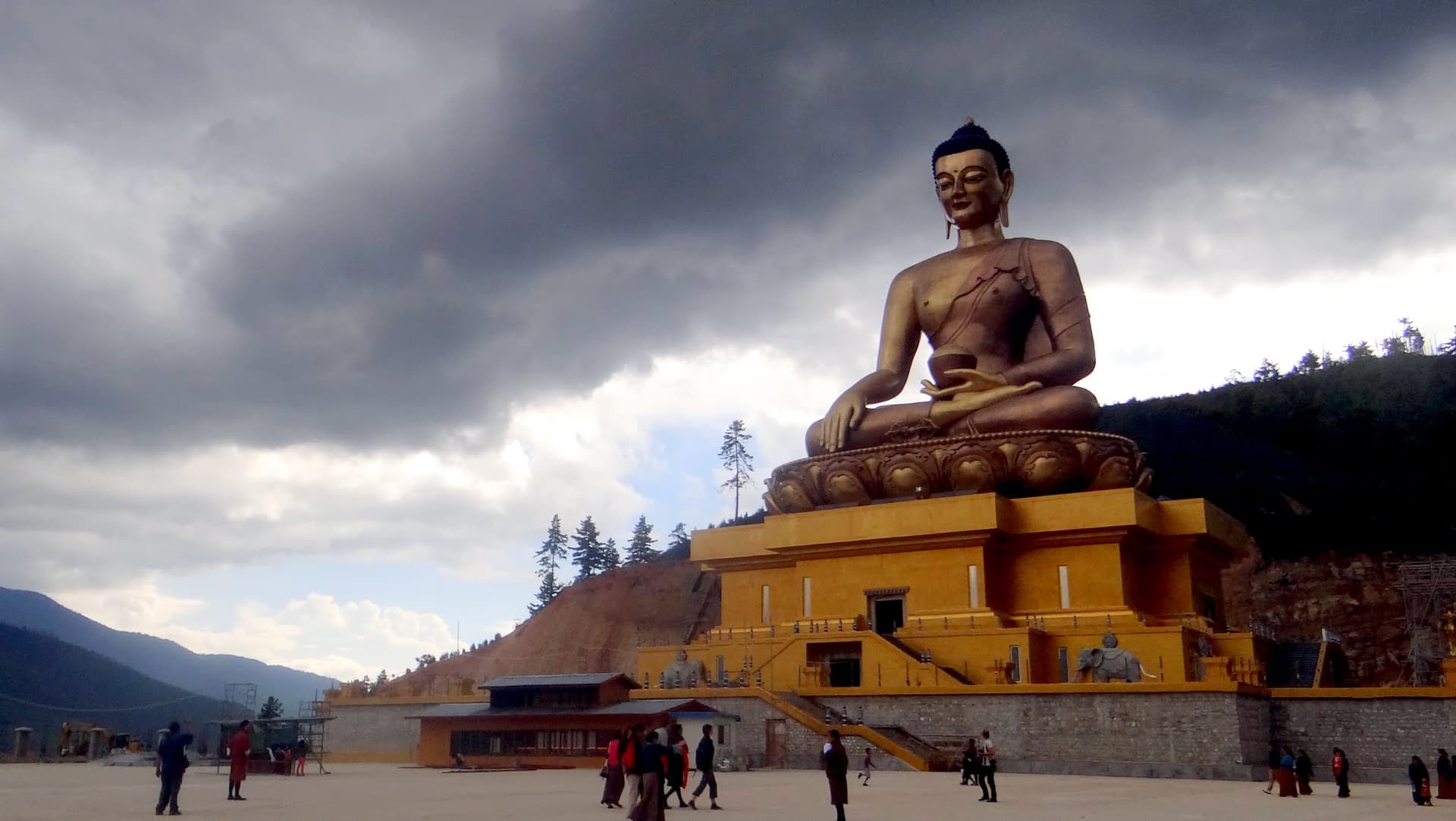
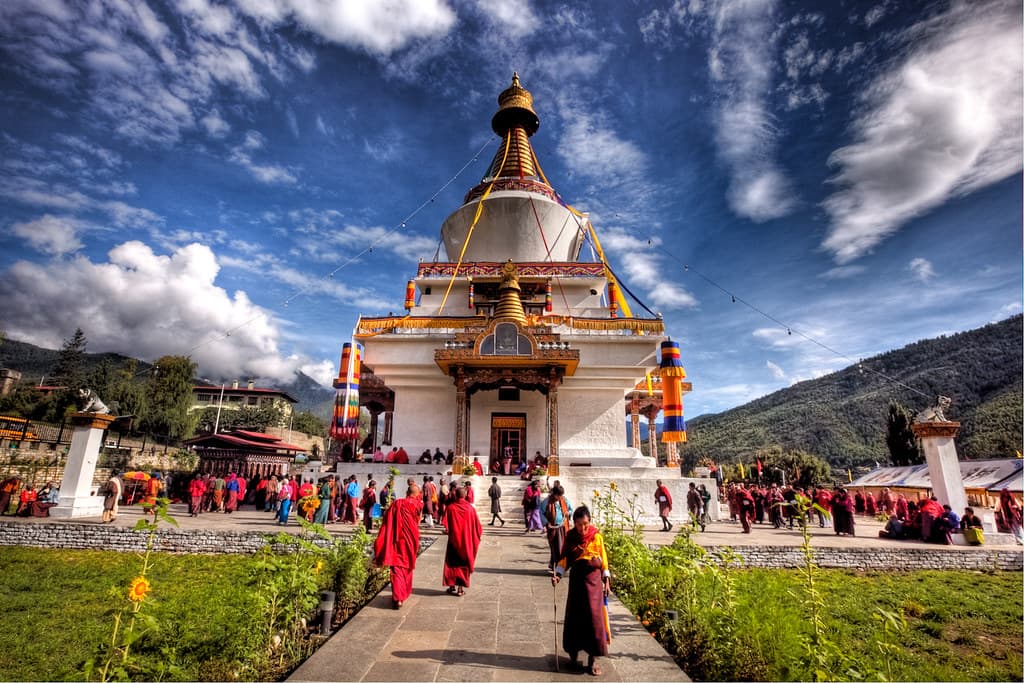
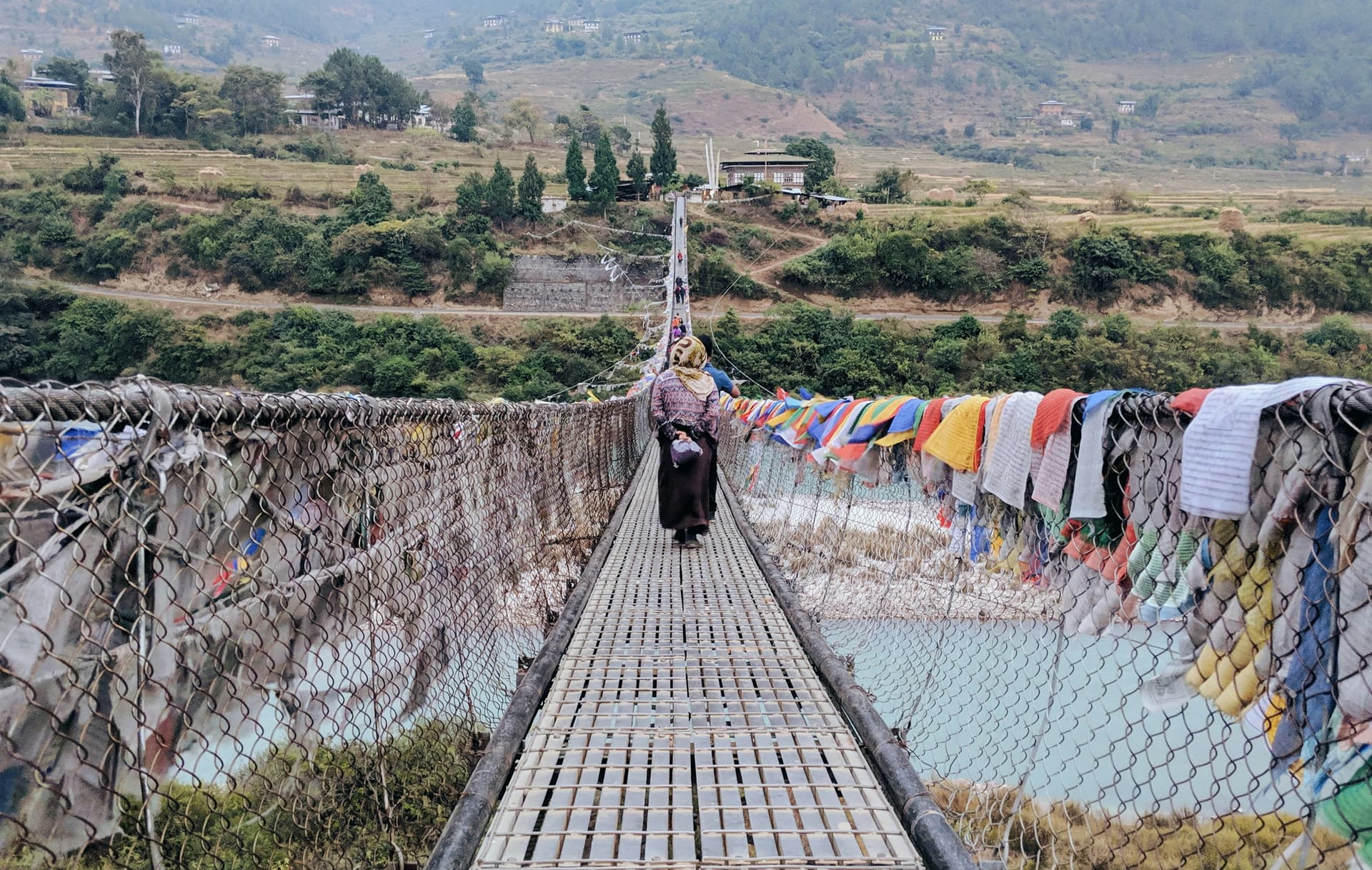
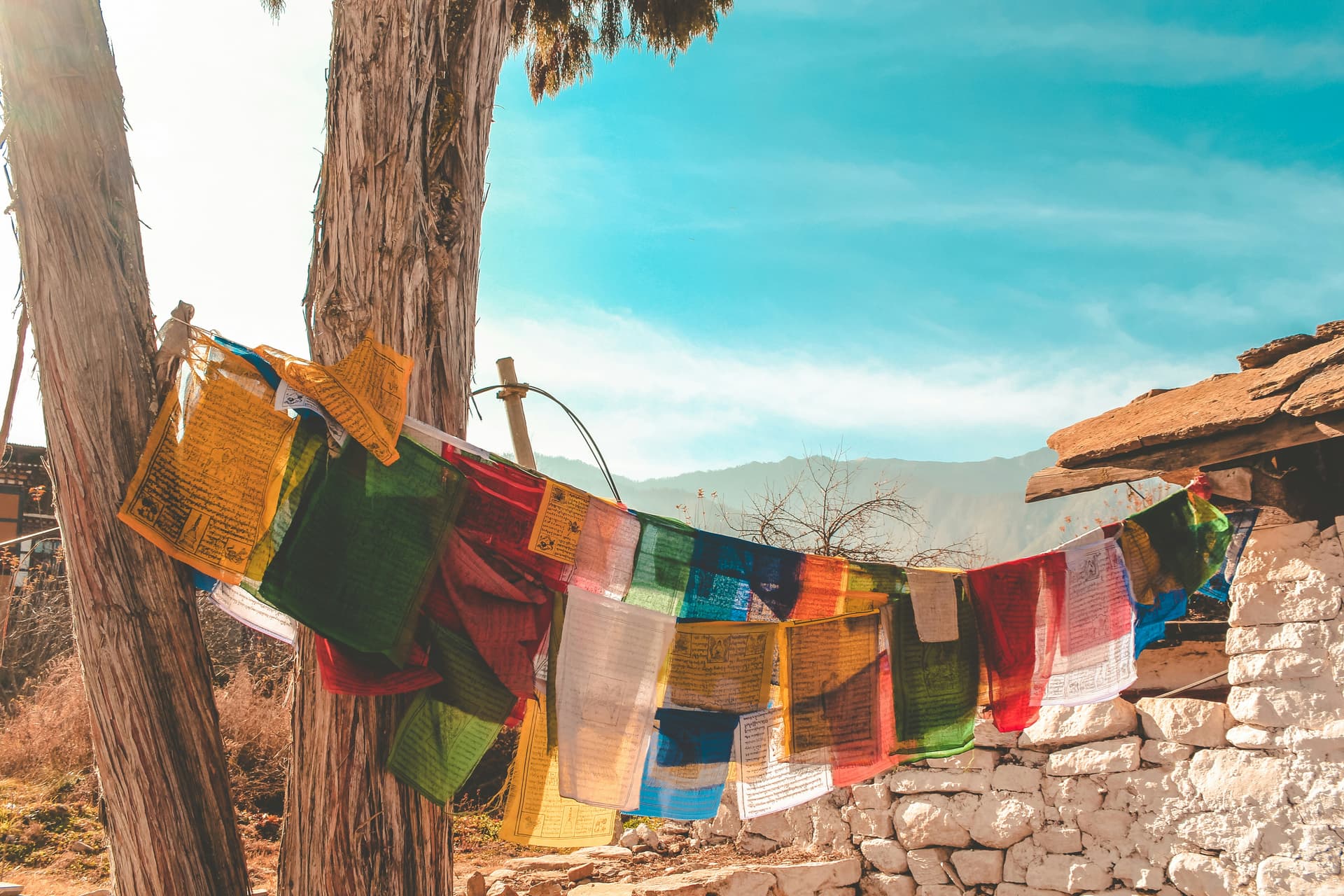
You see this spiritual ethos in the countless chortens (stupas) and prayer wheels dotting the landscape. Every spin of a prayer wheel, every flutter of a prayer flag, is a reminder of the Bhutanese commitment to a life of mindfulness and reverence for the divine. Even in the midst of modernity, this spiritual grounding remains a cornerstone of Bhutanese culture.

The Rhythms of Rural Life

Venture beyond the dzongs and festivals, and you’ll find that Bhutanese culture thrives in its rural heartlands. The countryside is where the true essence of Bhutan is found, in the rhythms of agricultural life and the close-knit communities that sustain it. Traditional farming practices, passed down through generations, are still prevalent, with terraced rice fields, orchards, and yak herding forming the backbone of rural existence.

The Bhutanese villages are a living museum of culture and tradition. The homes, built with stone, wood, and bamboo, are adorned with intricate carvings and colorful paintings. Community life revolves around the local lhakhang (temple), which serves as a center for religious ceremonies and social gatherings. Festivals like the Haa Summer Festival celebrate the agrarian lifestyle with yak races, traditional games, and exhibitions of local crafts and cuisine.


send enquiry

Leave the planning to a local expert

A Culinary Adventure

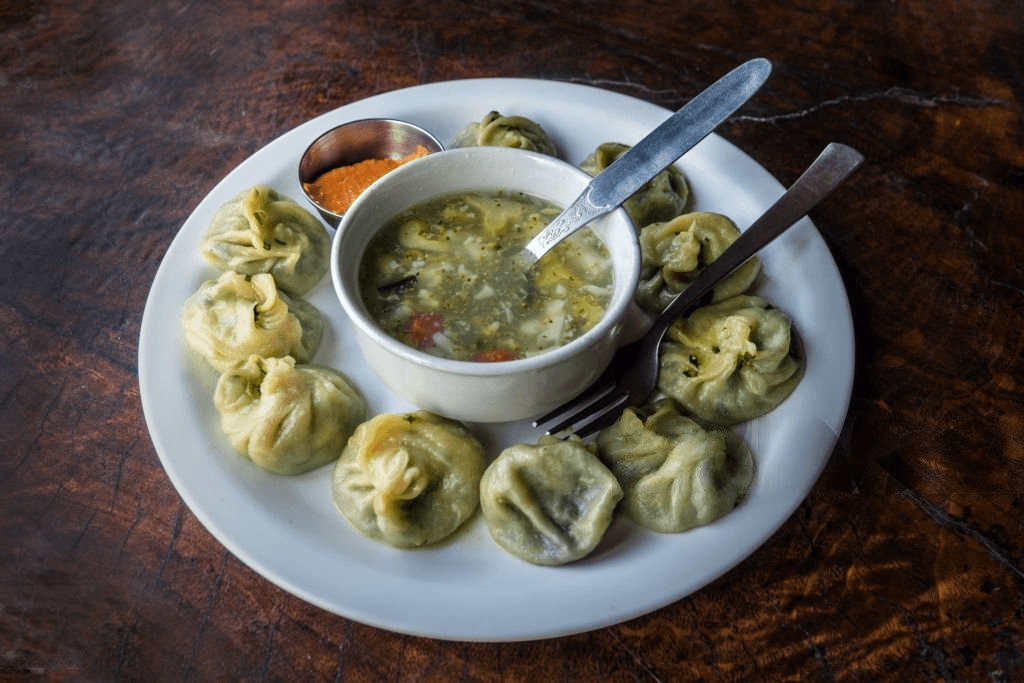
Bhutanese cuisine is an adventure in itself, with flavors and ingredients that tell stories of the land and its people. Ema datshi, the national dish made of chili peppers and cheese, is a fiery delight that is a staple of every meal. Accompanying dishes like phaksha paa (pork with red chilies) and sikam paa (dried pork) add to the rich and hearty culinary experience.

But the quirky side of Bhutanese cuisine lies in its love for spice. Chilis are not just a seasoning but a vegetable in Bhutan. A meal without chilis is unimaginable, and the Bhutanese palate revels in the heat. If you’re up for a challenge, try suja, the traditional butter tea made from tea leaves, yak butter, and salt. It’s an acquired taste but offers a glimpse into the high-altitude lifestyle where such rich and warming drinks are a necessity.

The Arts and Crafts: A Legacy of Skills

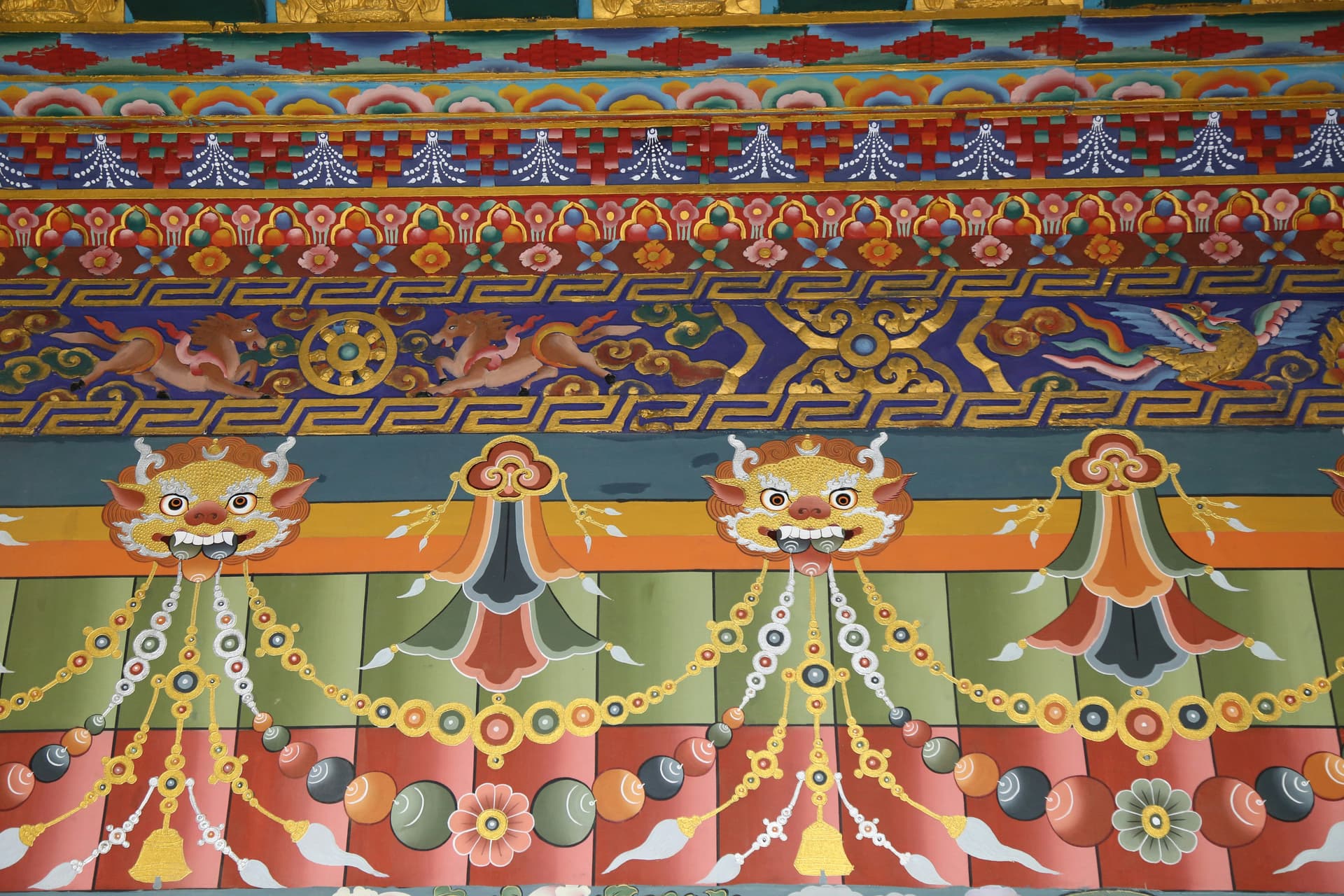
Bhutan's artistic heritage is a living testament to its cultural richness. The 13 traditional arts and crafts, known as Zorig Chusum, include painting, carpentry, weaving, and sculpture. These skills are meticulously passed down through generations, with artisans dedicating their lives to mastering their craft.

The weaving tradition, particularly, stands out with its intricate patterns and vibrant colors. Hand-woven textiles, especially the kira and gho, are a symbol of Bhutanese identity and craftsmanship. The delicate art of thangka painting, with its intricate details and religious significance, showcases the spiritual depth and artistic excellence of Bhutanese painters.

The Joy of Song and Dance

Music and dance are integral to Bhutanese culture, adding rhythm and color to every celebration. Traditional songs, often accompanied by the melodious sound of the dramyin (a stringed instrument), narrate tales of love, heroism, and devotion. The boedra and zhungdra dances, characterized by graceful movements and elaborate costumes, are performed during festivals and social gatherings, enchanting audiences with their elegance and storytelling.

The influence of modernity has also led to the emergence of contemporary Bhutanese music, blending traditional melodies with modern genres. The younger generation of Bhutanese musicians and dancers is exploring new forms of expression while staying rooted in their cultural heritage.

Conclusion

Bhutan’s culture and festivals are a mesmerizing tapestry of the old and the new, the sacred and the quirky. They reflect a society that cherishes its past while embracing the future, a people who find joy in tradition and pride in their heritage. From the grand tshechus to the everyday rituals that mark Bhutanese life, every aspect of this cultural landscape is a reminder of the country’s unique identity.

As you wander through Bhutan’s sacred monasteries, partake in its vibrant festivals, and engage with its warm-hearted people